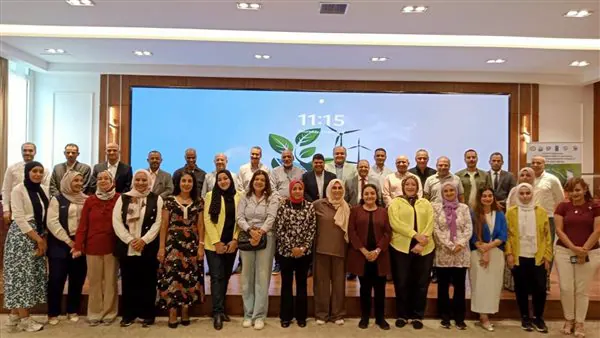
Egypt is working to develop a comprehensive climate reporting system to track greenhouse gas emissions and monitor efforts to combat climate change. The system aims to improve data collection and national reporting, enabling the evaluation of implemented measures and fulfillment of international commitments. The Ministry of Local Development and Environment, in collaboration with the United Nations Development Programme, recently organized a workshop to introduce climate change stakeholders to the requirements of climate reporting.
The climate reports will cover several key areas, including the inventory of greenhouse gas emissions, implementation of Egypt's emission reduction commitments, and measures to adapt to climate change impacts. The reports will also provide information on financial and technological support, as well as capacity building, which are crucial for the country's ability to implement its climate plans and achieve set targets. By enhancing this system, Egypt aims to improve data accuracy and facilitate information exchange among concerned parties.
The development of climate reporting is closely linked to the requirements of the Paris Agreement, which sets a framework for countries to monitor their efforts to combat climate change and report on progress. The Enhanced Transparency Framework outlines rules for reporting and providing information on emissions and climate actions, with some flexibility for developing countries based on their national capacities. The workshop covered mechanisms for preparing emission inventory reports and methodologies for data collection.
The workshop also discussed electronic reporting tools that can help present and track information more efficiently. These tools are expected to enhance the capacity of Egyptian officials to collect and report data, enabling more effective monitoring of climate change mitigation and adaptation efforts. The training is part of Egypt's preparations for the 31st Conference of the Parties (COP31) to the United Nations Framework Convention on Climate Change.
The Egyptian government is committed to enhancing its climate reporting system and building the capacity of its officials. Minister of Local Development and Environment, Dr. Manal Awad, emphasized the importance of technical training and capacity building for climate change stakeholders. She highlighted the ministry's efforts to develop a national reporting system and improve data quality in coordination with concerned parties and international partners.
The workshop is part of a project implemented by the Egyptian Environmental Affairs Agency in collaboration with the United Nations Development Programme. The project aims to develop the technical and institutional capacities needed to prepare climate reports and monitor national commitments in this field. The project includes several components, such as the first and second transparency reports and the fifth national report.
Egypt's efforts to enhance its climate reporting system demonstrate its commitment to addressing climate change and fulfilling its international obligations. The developed system will enable the country to track progress, identify areas for improvement, and make informed decisions to mitigate the impacts of climate change. By improving data collection and reporting, Egypt can also enhance its ability to access international climate finance and technology.
Key points
- Egypt is developing a climate reporting system to track greenhouse gas emissions and monitor efforts to combat climate change.
- The system aims to improve data accuracy and facilitate information exchange among concerned parties.
- The development of climate reporting is closely linked to the requirements of the Paris Agreement.