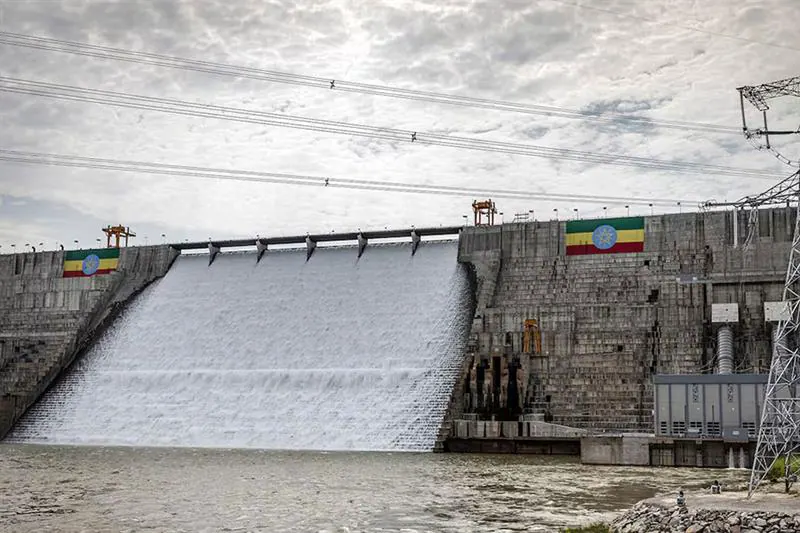
Egypt has categorically denied reports that it offered Ethiopia access to the Red Sea in exchange for flexibility on the Grand Ethiopian Renaissance Dam. A responsible Egyptian source stated that the reports were "entirely unfounded" and had no basis in fact. Egypt's position on water security and the Ethiopian dam remains firm and unchanged, the source added.
The Egyptian source emphasized that the country's stance is rooted in adherence to international law, rejection of unilateral measures, and the prevention of harm to Egypt's water share. The source also underscored that the governance and security of the Red Sea are the exclusive responsibility of its littoral states, describing the waterway as a strategic corridor directly linked to their national security.
The denial came in response to a report by UAE-based The National news outlet, which cited unnamed sources in Cairo as saying Egypt had conveyed a proposal to Ethiopian Prime Minister Abiy Ahmed. The proposal allegedly offered to work with African allies to secure Addis Ababa's maritime access if it showed flexibility in the Nile water dispute.
According to the report, the proposal included an implicit warning that Egypt could use its regional political and military leverage to restrict Ethiopia's access to ports in Sudan, Somalia, and Djibouti if the offer were rejected. The report claimed that the proposal was also shared with Washington, where US President Donald Trump has expressed willingness to mediate in the decade-long dispute over the dam built on the Blue Nile.
Days earlier, Foreign Minister Badr Abdelatty reaffirmed Egypt's long-standing position that governance and security of the Red Sea are the exclusive responsibility of its littoral states. Abdelatty stressed that no non-coastal state has the right to participate in arrangements concerning the Red Sea, describing it as a strategic corridor directly linked to the national security of its bordering nations.
Egypt has consistently maintained that the Red Sea must remain under the authority of its coastal states alone, while continuing to call for a legally binding agreement on the filling and operation of the GERD to safeguard downstream water security. The country has retained all lawful options to protect its Nile water security, according to the Irrigation minister.
The Egyptian government has continued to push for a peaceful resolution to the GERD dispute, with Egypt, Sudan, and US officials discussing ways to end the Sudanese war on the sidelines of the UN General Assembly. Egypt's Prime Minister, Madbouly, is set to lead the country at the 81st UN General Assembly in New York.
Key points
- Egypt denies reports of offering Ethiopia Red Sea access for GERD flexibility.
- Egypt's position on GERD is rooted in adherence to international law.
- Red Sea governance and security are the exclusive responsibility of its littoral states.