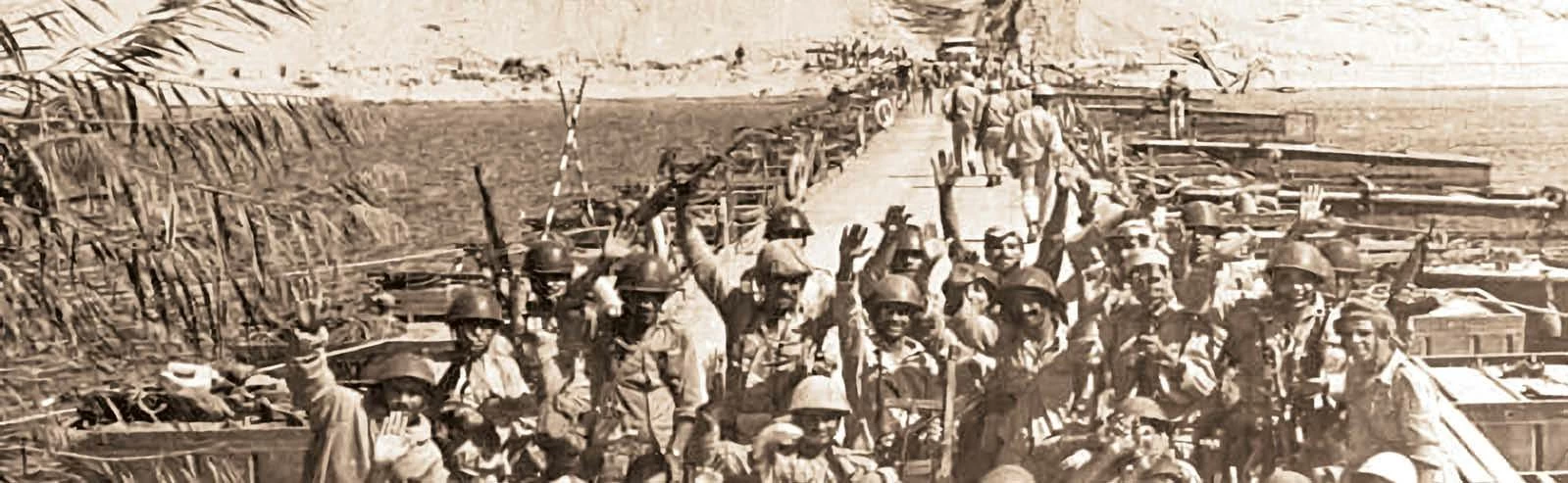
Egypt and the Arab world today mark the 53rd anniversary of the 1973 October War, a historic victory that went beyond the geographical crossing of the Suez Canal to become a symbol of national pride and sovereignty. The war, which began on October 6, 1973, was a testament to the bravery and strategic planning of the Egyptian military, who fought against Israeli forces in a conflict that would change the course of the region's history. The war's impact is still felt today, with many Egyptians regarding it as a defining moment in their country's modern history.
The 1973 war was a significant turning point in Egypt's history, marking a shift from the defeat of 1967 to a moment of triumph and national pride. The war saw Egyptian forces cross the Suez Canal and regain control of the Sinai Peninsula, which had been occupied by Israel since 1967. The victory was not just a military success but also a symbolic one, as it marked a reassertion of Egyptian sovereignty and a challenge to Israeli dominance in the region. The war's legacy continues to be celebrated in Egypt, with October 6th being a national holiday.
The Egyptian military's success in the 1973 war was due in part to the strategic planning and leadership of its commanders. One of those commanders was Lieutenant General Hussein Masoud, who served as the Minister of Civil Aviation and was a key player in the war. In an interview with Al-Masry Al-Youm, Masoud recalled his experiences during the war, including the preparations that led up to the crossing of the Suez Canal and the combat missions he participated in. Masoud's account provides a unique insight into the military's planning and execution of the war.
Another key figure in the 1973 war was Air Marshal Majdi Shaarawi, who served as the commander of the Egyptian Air Force and played a crucial role in the war. Shaarawi said that the victory did not come suddenly, but was the result of a series of important events that helped build confidence and prepare the military for the major battle. He highlighted the battles of Ras al-Esh, East Canal, and Eilat as key milestones that contributed to the ultimate success of the war effort. Shaarawi's comments underscore the complexity and scope of the military's operations during the war.
The 1973 war also had a significant impact on the Israeli military, which had previously been considered invincible. Lieutenant General Mohamed El-Shaerawi, a former head of chemical warfare and a military strategist, said that the war shook the Israeli security theory and broke the "long arm" of the myth of the "invincible army". El-Shaerawi's comments highlight the significance of the war beyond Egypt's borders, as it challenged Israeli dominance in the region and had far-reaching consequences for the Middle East.
The anniversary of the 1973 war is still celebrated in Egypt today, with many regarding it as a moment of national pride and a testament to the bravery and sacrifice of the Egyptian military. The war's legacy continues to be felt in Egypt, with October 6th being a national holiday and the subject of numerous commemorations and celebrations. The war's impact is also reflected in the country's culture, with many artists, writers, and musicians referencing it in their work.
As Egypt marks the 53rd anniversary of the 1973 war, the country continues to draw inspiration from the bravery and strategic planning of its military leaders. The war's legacy serves as a reminder of the importance of national sovereignty and the need for continued vigilance in the face of regional challenges. The anniversary is a moment for Egyptians to reflect on their country's history and to honor the sacrifices of those who fought in the war.
Key points
- The 1973 October War marked a significant turning point in Egypt's history, as the country regained control of the Sinai Peninsula and challenged Israeli dominance in the region.