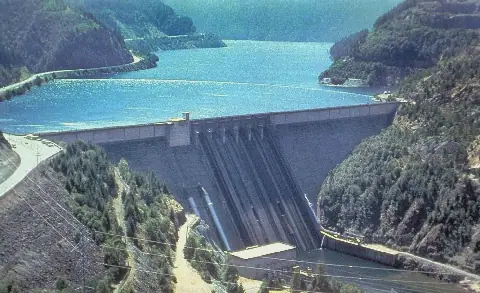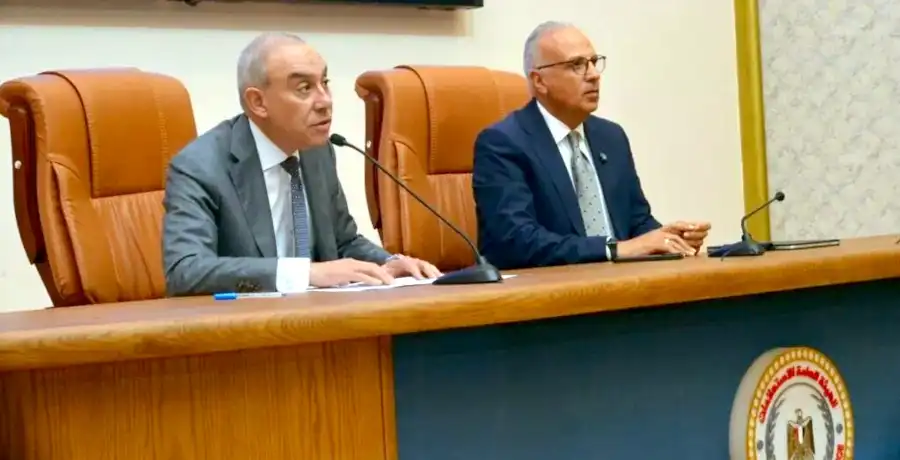
Egypt has agreed to support South Sudan's planned Grand Fula Dam after reviewing technical studies on the project. Egyptian Minister of Water Resources and Irrigation Hani Sewilam announced this during a media briefing in Cairo for over 80 foreign correspondents. The briefing focused on Egypt's water security, Nile Basin cooperation, and the country's positions on major water projects in the region. According to Sewilam, the Fula project is one of 36 projects submitted under the Nile Basin Initiative's investment program.
Egypt's support for the Fula dam came after a thorough review of the technical studies, exchange of information, assessment of potential impacts, and participation in consultations. Sewilam described this process as an example of how prior notification, information exchange, impact assessment, and consultation can facilitate development projects and access to financing. He emphasized that Egypt supports South Sudan's development objectives, including the Fula project, while maintaining that projects on shared waterways should comply with international water law.
Sewilam stressed that Egypt's position is that the same principles should apply to all Nile Basin countries and that Egypt opposes unilateral actions on shared water resources. This stance comes amid renewed attention to South Sudan's plans to develop its water resources. Recently, South Sudanese Energy and Dams Minister Peter Marcello Agok Makur stated that Juba was prepared to proceed with dam projects, including Fula, and would not be deterred by concerns from downstream countries.
During the same briefing, Sewilam reiterated Egypt's longstanding objections to Ethiopia's Grand Ethiopian Renaissance Dam. He described the dam as unilateral and stated that Egypt had not accepted the situation created by its construction, filling, and operation. Sewilam emphasized that Egypt retains measures available under international law to protect what it considers its water security and interests.
Sewilam also raised concerns about the potential impacts of the GERD's unilateral operation on downstream water flows, which could affect water infrastructure in Egypt and Sudan. He argued that the GERD's characterization as a unilateral and illegal project reflects what Cairo regards as a legal dispute over the manner in which the dam has been built, filled, and operated.
Furthermore, Sewilam criticized recent Ethiopian references to controlling water flows to downstream countries, arguing that such statements contradict Ethiopia's longstanding description of the GERD as a hydropower project. The dispute over the GERD has been ongoing since Ethiopia began constructing the dam on the Blue Nile in 2011. Cairo has continued to call for a legally binding agreement governing the dam's operation, while Ethiopia has maintained that the project is sovereign.
The agreement between Egypt and South Sudan on the Fula dam demonstrates the importance of cooperation and consultation in the development of shared water resources. Egypt's support for the project highlights the potential for collaboration and mutual benefit among Nile Basin countries. However, the ongoing dispute over the GERD underscores the need for a comprehensive and binding agreement to ensure the sustainable management of the Nile's waters.
Key points
- Egypt supports South Sudan's Grand Fula Dam project after reviewing technical studies.
- Egypt renews criticism of Ethiopia's unilateral operation of the Grand Ethiopian Renaissance Dam.
- The dispute over the GERD highlights the need for a comprehensive and binding agreement among Nile Basin countries.