The Egyptian government has set ambitious targets to increase the share of renewable energy in its power mix. By 2030, the country aims to generate 42% of its electricity from renewable sources, and by 2040, this figure is expected to exceed 60%. To achieve these goals, the government plans to develop the nuclear energy sector, enhance regional interconnections, and boost energy storage capacities.
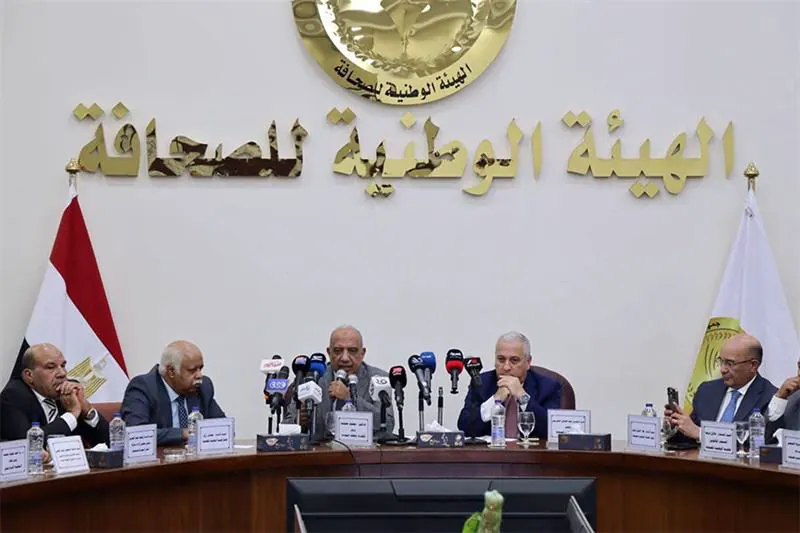
Egypt's Minister of Electricity and Renewable Energy, Mahmoud Esmat, recently presented the sector's strategic vision and development plans for the national electricity grid. At a seminar organized by the National Press Authority, Esmat outlined the plans to increase the country's installed power capacity to 126.8 GW by 2040, with a diversified mix of power generation sources. The target mix includes 49 GW of thermal power, 4.8 GW of nuclear energy, 40.5 GW of wind power, 24.7 GW of solar photovoltaic power, and 2.9 GW of hydroelectric power.
The Egyptian government has made significant investments in the energy sector, with a focus on renewable energy. The minister highlighted that the private sector is expected to play a crucial role in the country's transition to cleaner energy, with investments in renewable energy projects projected to exceed $60 billion by 2030. The government is supporting this effort by allocating vast areas for large-scale energy projects and mobilizing over 190 billion Egyptian pounds in financing.
One of the key projects underway is the El-Dabaa nuclear power plant, which is a major national project aimed at supporting the energy sector. The plant is expected to play a central role in diversifying Egypt's energy mix and reducing its dependence on traditional fuels. The minister also noted that the country has made significant progress in preventing power outages during peak summer periods, with measures taken to strengthen the grid's reliability.
The Egyptian government has also prioritized the development of infrastructure for renewable energy projects. Investments in connecting renewable energy sources to the grid have reached 4 billion Egyptian pounds, with contracts worth 13.9 billion Egyptian pounds signed. The minister emphasized that the sector is undergoing a significant transformation, with a focus on diversifying power generation sources, ensuring sustainability, and meeting growing demand.
In addition to its efforts in the energy sector, Egypt is also investing in its agricultural sector. The government has allocated 62 billion Egyptian pounds to projects aimed at improving electricity supply for agricultural operations. The New Delta project is a key initiative, with 16 substations and 72 transformers with a total capacity of 5,580 MVA, as well as 892 km of transmission lines and 3,183 km of distribution lines.
The minister highlighted that Egypt's energy sector has undergone a significant transformation since 2014, with a focus on diversifying power generation sources and ensuring sustainability. The country is also pursuing interconnection projects with neighboring countries, including Saudi Arabia, Greece, and Italy, which will help establish Egypt as a regional and international hub for energy exchange.
Key points
- Egypt aims to increase the share of renewable energy in its power mix to 42% by 2030 and over 60% by 2040.
- The country plans to develop the nuclear energy sector, enhance regional interconnections, and boost energy storage capacities to achieve its renewable energy targets.
- The private sector is expected to play a crucial role in Egypt's transition to cleaner energy, with investments in renewable energy projects projected to exceed $60 billion by 2030.