Egypt's tourism sector is gearing up to become a major driver of economic growth, with the government setting an ambitious target of 30 million visitors by 2030. The industry currently contributes significantly to the country's economy, generating foreign currency, attracting investments, and creating jobs. According to Hussein Issa, vice-prime minister for economic affairs, tourism is a vital industrial activity that stimulates numerous related sectors.
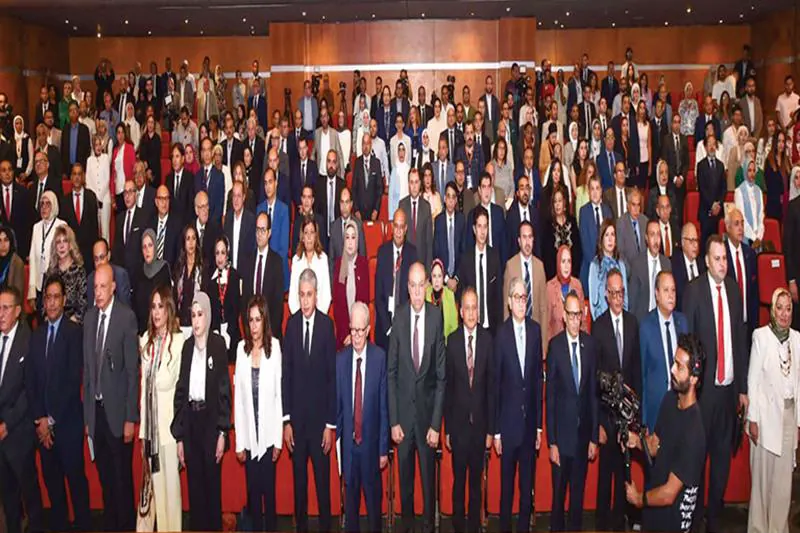
The Egyptian government recently hosted the first Al-Ahram Forum for Egyptian Tourism, which brought together experts, professionals, and investors to discuss the industry's future prospects. The forum, held under the patronage of Prime Minister Mostafa Madbouly, aimed to explore ways to develop sustainable tourism and achieve the 2030 target. Minister of Tourism and Antiquities Sherif Fathy emphasized that Egypt's diverse destinations and authentic experiences are key assets in strengthening its presence on the global tourism map.
Fathy highlighted that the development of tourism in Egypt goes beyond increasing visitor numbers, focusing on improving the quality of services, expanding accommodation capacity, and diversifying markets and products. He noted that the country offers a wide range of tourism experiences, including cultural, archaeological, beach, leisure, religious, eco-tourism, adventure, and medical tourism. The minister emphasized the need to better connect these different products to offer visitors complementary experiences and circuits combining multiple destinations.
Egypt's diverse geography and culture provide a unique selling point for the tourism industry. From the Mediterranean to the Red Sea, the Nile Valley, oases, and deserts, the country offers a rich and varied tourism experience. Fathy mentioned that his ministry is working to promote the idea of an Egypt accessible 12 months a year, with products adapted to different seasons and markets. He cited examples of combining beach tourism in the north with visits to the Siwa oasis and programming tours to Luxor and Aswan with diving in Hurghada.
According to Fathy, the average stay of tourists in Egypt has increased to around 10 days, and tourism revenues have risen by 30% this year compared to last year. The country has already received 13.6 million tourists up to mid-September, with an expected 20 million tourists in 2026. The minister emphasized the importance of diversifying tourism products and markets, citing recent visits to France and Japan to promote Egyptian destinations.
The Red Sea remains one of Egypt's main tourism hubs, but the North Coast is rapidly emerging as a new destination. Hani Ossama, CEO of TEZ Tours, noted that the North Coast has undergone significant transformation in recent years, with Al-Alamein becoming a popular destination for events and tourism. Ossama emphasized the need for destinations to offer a wider range of experiences to attract different audiences at different times, making them less dependent on seasonal tourism.
The tourism industry's growth is also dependent on investing in skills and training. Ossama stressed that behind every successful tourism experience is a professional, from receptionists to guides, drivers, and digital specialists. The industry needs to focus on developing these skills to provide high-quality services and create a sustainable tourism sector. With a focus on diversification, innovation, and investment in skills, Egypt aims to achieve its ambitious tourism targets and become a leading destination on the global tourism map.
Key points
- Egypt aims to attract 30 million tourists by 2030.
- The country is focusing on diversifying destinations and products to attract more tourists.
- The tourism industry is a significant contributor to Egypt's economy, generating foreign currency and creating jobs.