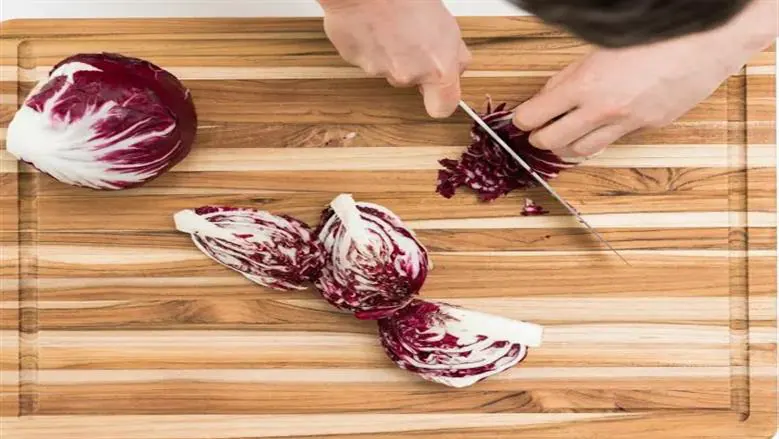
Wooden cutting boards offer numerous benefits in the kitchen, providing an easy and enjoyable way to chop food, especially meats. However, they have a significant drawback: they tend to retain unpleasant food odors, particularly from raw meat. To address this issue, it is essential to clean wooden cutting boards properly and regularly. According to the New York Times, a straightforward method can be used to clean wooden cutting boards using common household items.
The necessary tools for cleaning a wooden cutting board include a scraper or metal spoon, mild dish soap, a sponge, a dish towel, paper towels, cooking oil or beeswax, salt, a lemon, white vinegar, and baking soda. To begin, use the scraper or metal spoon to gently remove any stuck-on food residue or dry salt. Next, apply mild dish soap to the board's surface and clean it with a sponge.
After cleaning, use paper towels to wipe away the soap and remove as much water as possible from the board before letting it air dry. To sanitize and remove lingering odors, apply a mixture of lemon juice and white vinegar to the board. Additionally, using cooking oil or beeswax can help maintain the board's condition and prevent cracking.
For tougher odors and stains, baking soda can be used to create a paste that helps lift and remove them. By applying the paste to the affected area and gently scrubbing it with a soft sponge, stubborn stains can be effectively removed. Regular cleaning and maintenance are crucial to extending the lifespan of a wooden cutting board.
When it comes to regular cleaning, there are essential tips to keep in mind. First, wooden cutting boards should always be washed by hand. They should not be placed in a dishwasher or submerged in a sink full of water, as this can cause warping or cracking. If a board cannot be cleaned immediately after use, it can be left on the kitchen counter for later cleaning.
To prevent food residue from building up, it is recommended to scrape off any stuck-on food particles immediately after use. For more stubborn stains, a mixture of baking soda and water can be applied to the board and gently scrubbed with a soft sponge. By following these simple steps, wooden cutting boards can be effectively cleaned and maintained.
By incorporating regular cleaning and maintenance into their kitchen routine, individuals can enjoy the benefits of using wooden cutting boards while minimizing the risk of lingering food odors and bacterial growth. Wooden cutting boards can be a valuable addition to any kitchen, providing a safe and effective way to prepare food.
Key points
- Regular cleaning and maintenance are crucial to extending the lifespan of a wooden cutting board.
- A mixture of lemon juice and white vinegar can be used to sanitize and remove lingering odors from wooden cutting boards.
- Baking soda can be used to create a paste that helps lift and remove stubborn stains from wooden cutting boards.