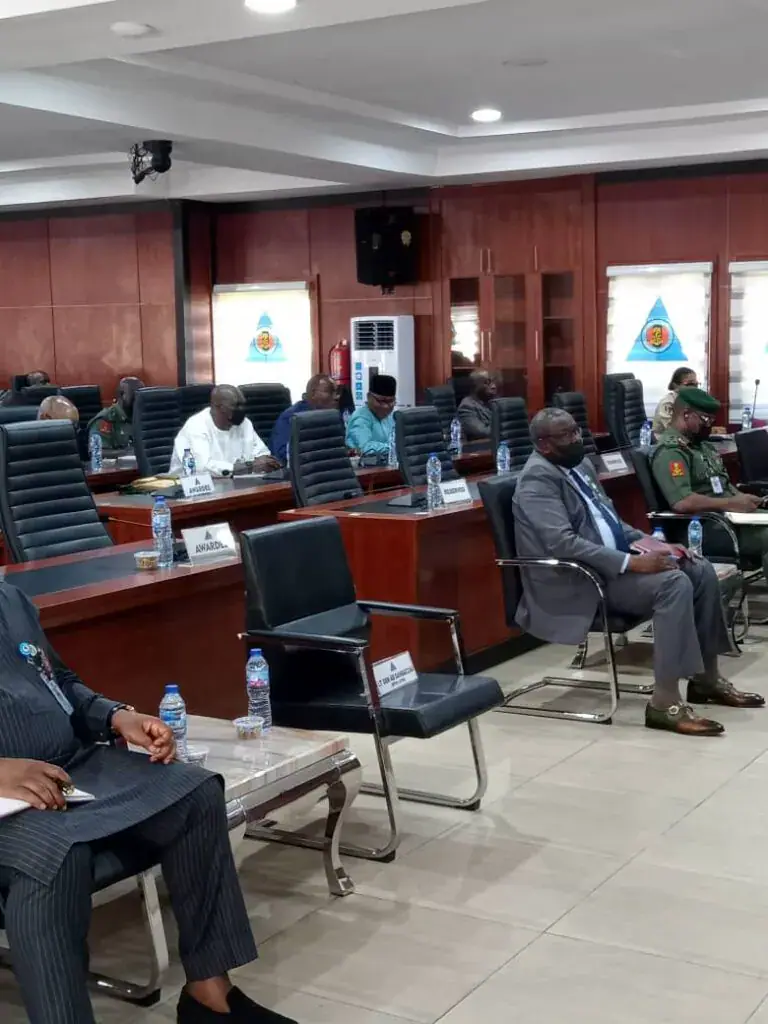
Dr. Willie Eselebor, a security expert, has emphasized the need for effective border policing to address Nigeria's security challenges. Speaking at the Nigerian Army Resource Centre's monthly lecture series, Eselebor noted that the country's porous borders, unmarked territories, and poor funding have hindered efforts to curb insecurity. He stressed that Nigeria's security agencies, including the Immigration Service, Custom Service, and Police Force, must work together to effectively police the country's borders. This, he believes, will help tackle the myriads of internal threats to lives and properties of citizens.
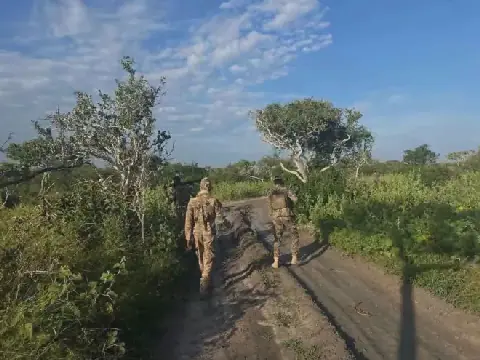
Eselebor identified several factors that contribute to Nigeria's security challenges, including the country's weak neighbors with high poverty prevalence and unemployment rates. The influx of refugees from warring countries and the free movement protocol of the Economic Community of West African States (ECOWAS) have also been exploited by criminal elements to cause havoc. He noted that Nigeria's 4047 km of land border is largely unprotected, making it difficult to secure. The land borders shared with Niger, Chad, Cameroon, Benin, and the Gulf of Guinea are largely not demarcated, further exacerbating the problem.
The expert lamented that Nigeria's borders are porous, unmarked, not well coordinated, and difficult to secure. This has led to the proliferation of arms and light weapons, imported contraband items, insurgency, influx of refugees, displaced persons, human trafficking, and other security threats. He emphasized that effective border management is key to effective implementation of counter-terrorism measures and that borders should be distinctively mapped out.
Eselebor also highlighted the conflicting roles of security personnel and poor funding as major factors that have jeopardized efforts to safeguard the country's land borders. He stressed that the constitutional responsibility of the Nigerian Army is to protect the territorial integrity of Nigeria, but other security agencies must work together to curb proliferation of arms, insurgency, and banditry.
To address these challenges, Eselebor suggested that Nigeria should establish a structured and well-mapped out framework for border management. This should include an agenda for border management, functional technology, and trained personnel. He also recommended that contacts be initiated with international communities and bodies to curb incessant threats currently posing harm to the country's territorial space.
Major General Garba Wahab, Director General of the Nigerian Army Resource Centre, added that for there to be a phenomenal change, the mentality of an average Nigerian must change. He emphasized that if this does not happen, there would be no amount of infrastructure and manpower put in place that would solve the present security threats.
The next edition of the Lecture series has been slated for 16th December 2021. The series aims to address critical security issues and promote synergy between the military and paramilitary agencies. Key points include:
Key points
- Effective border policing is crucial to addressing Nigeria's security challenges.
- Porous borders, unmarked territories, and poor funding hinder efforts to curb insecurity.
- A structured framework for border management, including functional technology and trained personnel, is necessary to address security challenges.
Reporting sources
- Effective Border Policing Required to Stem Nigeria’s Insecurities · The News Journal