Educationists in Uganda have expressed concern over the public humiliation of teachers, particularly by government officials. The condemnation comes as officials, including ministers, have been moving across the country, arresting alleged culprits on camera and announcing their interdiction as part of a crackdown on corruption. This approach has sparked debate, with educationists arguing that efforts to improve accountability should also protect the dignity and welfare of educators.
The educationists are demanding that the government address systemic gaps in teacher training, empowerment, and professional support. They believe that humiliation and corporal punishment are not effective ways to improve accountability and instead create a toxic work environment. According to them, the government should focus on providing teachers with the necessary resources and support to perform their duties effectively.
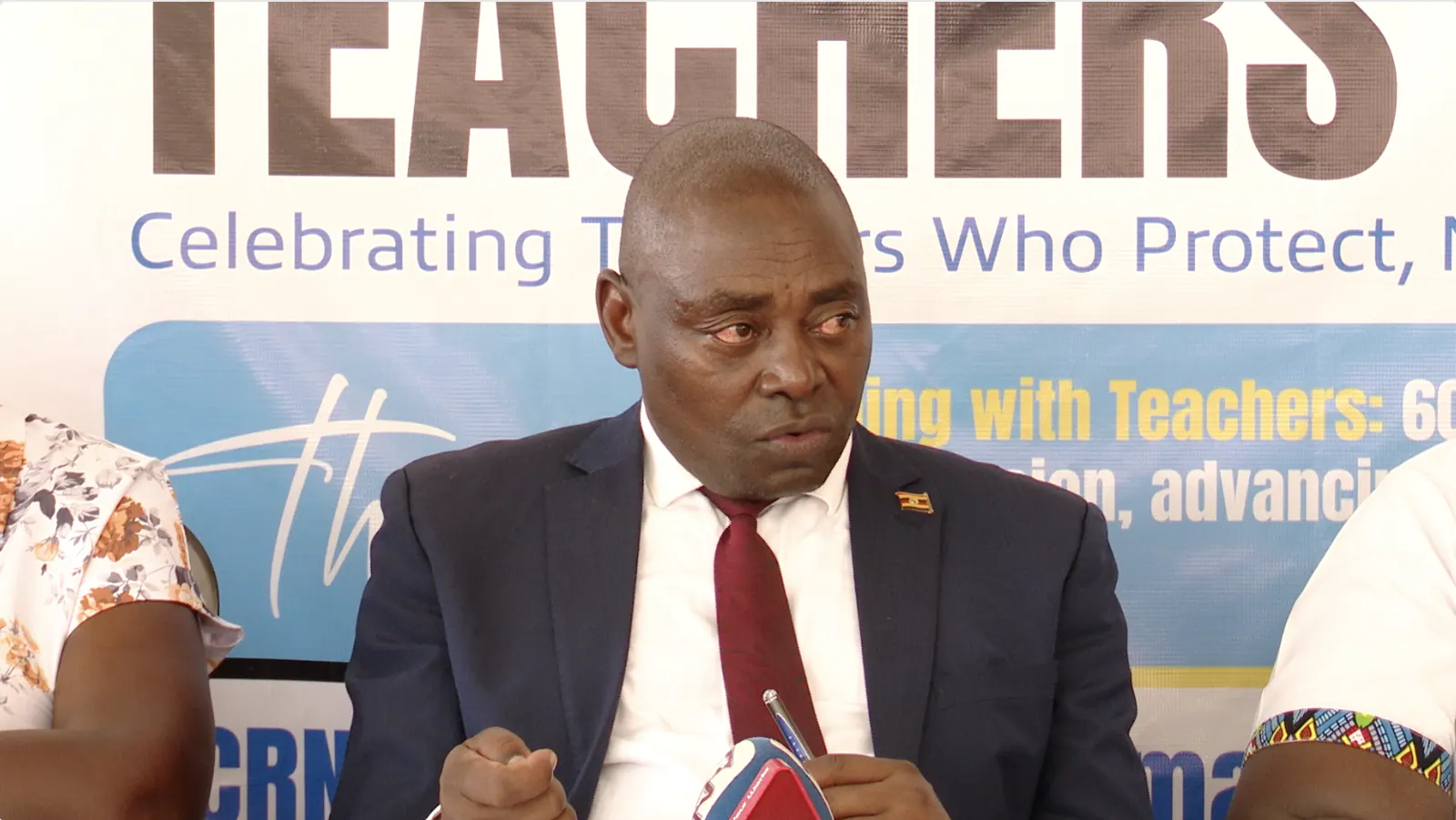
The public humiliation of teachers was highlighted in a recent incident involving Balaam Barugahare, although details of the incident are not provided. Educationists are calling for an end to such practices, citing the negative impact on teacher morale and the overall education system. They argue that teachers play a critical role in shaping the future of the country and should be treated with respect and dignity.
The Uganda National Association of Teachers (UNATU) has been vocal in its criticism of the government's approach to addressing corruption in the education sector. According to UNATU, the government's methods are humiliating and do not address the root causes of corruption. The association is calling for a more nuanced approach that takes into account the complexities of the education system.
Educationists are also pointing to the need for improved working conditions for teachers, including better pay and benefits. They argue that teachers are often overworked and underpaid, which can lead to burnout and decreased morale. By addressing these underlying issues, the government can help to improve teacher motivation and reduce the likelihood of corrupt behavior.
The government has not officially responded to the educationists' concerns, but it is clear that the issue of teacher humiliation and corruption is a complex one. While the government has a responsibility to address corruption, it must also ensure that its methods are fair and do not unfairly target teachers. The education sector is critical to Uganda's development, and any efforts to improve it must take into account the needs and concerns of teachers.
The debate over teacher humiliation and corruption is likely to continue in Uganda, with educationists and government officials engaging in a nuanced discussion about how to improve accountability and working conditions in the education sector. Ultimately, finding a solution will require a collaborative approach that takes into account the needs and concerns of all stakeholders, including teachers, government officials, and the broader community.
Key points
- Educationists in Uganda are calling for an end to the public humiliation of teachers and for the government to address systemic gaps in teacher training, empowerment, and professional support.