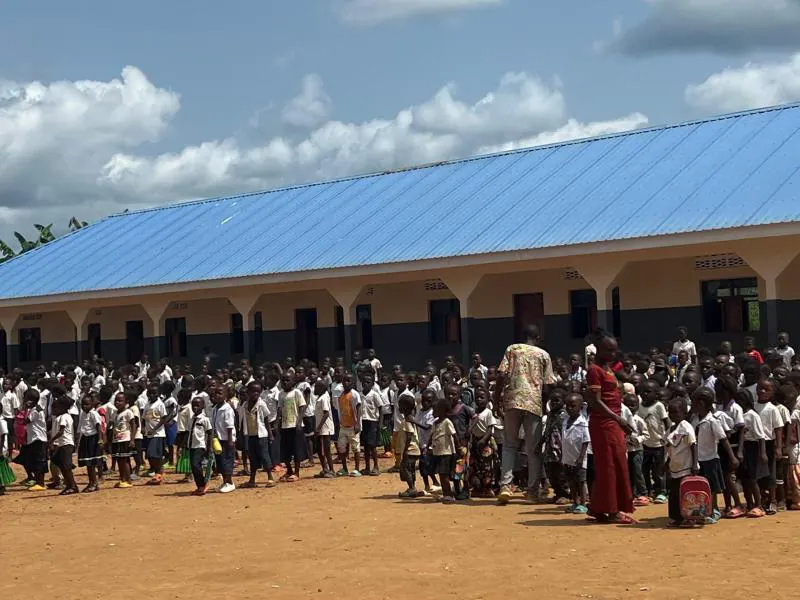
A recent report by UN Women and the United Nations Department of Economic and Social Affairs has highlighted significant disparities in secondary education between girls and boys in rural areas of the Democratic Republic of Congo. According to the report, "Gender Snapshot 2026," less than six girls complete the second cycle of secondary education for every ten boys who reach this level. This disparity is specific to rural areas and does not reflect the overall completion rates for girls and boys in the country.
The report emphasizes that this disparity is not unique to the DRC, as Senegal also experiences a similar imbalance in rural areas. The second cycle of secondary education is a critical stage, as it prepares students for higher education, vocational training, and better job opportunities. The disparity highlights a double disadvantage faced by girls in rural areas, where they are less likely to complete their secondary education compared to their male counterparts.
The DRC's rural areas face significant challenges in education, with girls being disproportionately affected. The report's findings underscore the need for targeted interventions to address the specific barriers faced by girls in rural areas. These barriers may include limited access to educational resources, cultural and social norms that prioritize boys' education, and economic constraints that force girls to drop out of school.
The report's authors note that the data does not provide the total number of students affected or the completion rates for each gender. However, the disparity is significant enough to warrant attention from policymakers and educators. Efforts to address this disparity could include initiatives to improve access to education, increase funding for schools, and promote girls' education in rural areas.
Education experts emphasize that addressing these disparities is crucial for promoting sustainable development and reducing poverty in the DRC. By investing in girls' education, the country can empower women and girls to participate fully in the economy and society. The DRC government, in collaboration with international organizations and civil society, must develop and implement effective strategies to address these educational disparities.
The situation in the DRC highlights the need for a comprehensive approach to addressing educational disparities. This approach should include not only increasing access to education but also addressing the social and cultural norms that perpetuate these disparities. By working together, stakeholders can develop effective solutions to promote girls' education and reduce the gap between girls and boys in rural areas.
The DRC's educational disparities are a pressing concern that requires immediate attention. By prioritizing girls' education and addressing the specific challenges they face, the country can promote sustainable development, reduce poverty, and empower women and girls. Key stakeholders, including the government, international organizations, and civil society, must work together to develop and implement effective strategies to address these disparities and promote inclusive education.
Key points
- The DRC's rural areas face significant disparities in secondary education, with less than 6 girls completing the second cycle for every 10 boys.
- The disparity is not unique to the DRC, as Senegal also experiences similar imbalances in rural areas.
- Addressing these disparities is crucial for promoting sustainable development, reducing poverty, and empowering women and girls in the DRC.