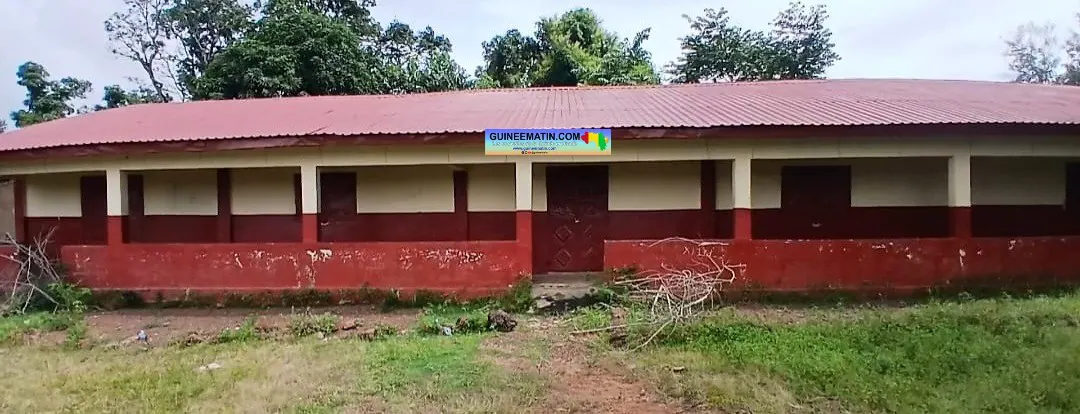
The education sector in Timbo prefecture, Guinea, is grappling with numerous challenges that hinder the quality of learning. The prefecture has 22 schools, but many face significant obstacles, including overcrowded classrooms, inadequate infrastructure, and a shortage of teachers. At the Timbo Centre primary school, for instance, there are 70 students per class, with some classes having as many as 80 students. The school's director, Mamadou Timbo Baldé, highlighted the difficulties, citing a lack of classrooms, inadequate materials, and insufficient teachers.
The shortage of teachers is a pressing issue in Timbo's schools. The Timbo Centre primary school has 14 teachers, including six permanent and eight contract teachers. However, the school requires more teachers to adequately cater to its students. Director Mamadou Timbo Baldé emphasized the need for more teachers, stating that the school needs at least eight additional teachers to support its growing student population. Furthermore, the school's infrastructure is in disrepair, with many classrooms in poor condition and a lack of essential materials.
The situation at the local college is equally challenging. The college has 259 students, including 98 girls, but faces a shortage of teachers, particularly in subjects like physics, French, geography, and mathematics. Principal Kémoko Camara noted that the college has six permanent teachers and six contract teachers, but the student population is spread across a large area, making it difficult for students to access education. Many students have to travel long distances to attend classes, with some walking up to 16 kilometers per day.
The distance to schools is a significant obstacle to education in Timbo. Students from rural areas have to travel long distances to attend classes, which can be tiring and demotivating. Principal Kémoko Camara emphasized that the new status of Timbo as a prefecture may lead to gradual improvements, but immediate changes are not expected. He called for patience and support from the government, NGOs, and local authorities to address the challenges facing the education sector.
Despite the challenges, education stakeholders in Timbo remain hopeful. Director Mamadou Timbo Baldé believes that the elevation of Timbo to a prefecture status may bring about positive changes, particularly with the possibility of having an administrative office closer to the schools and communities. He emphasized that the nomination of a new Director of Prefectural Education and his team would help address some of the challenges.
To address the challenges, the education sector in Timbo requires significant support. Principal Kémoko Camara called for assistance from the government, NGOs, and local authorities to improve infrastructure, increase the number of teachers, and provide essential materials. The stakeholders are optimistic that with collective support, the education sector in Timbo can improve, and students can access quality education.
The education sector in Timbo prefecture requires urgent attention to address the pressing challenges. With 22 schools and a growing student population, the need for more teachers, infrastructure, and materials is critical. Education stakeholders, including directors and principals, are working to find solutions, but they require support from the government and other stakeholders to ensure that students in Timbo have access to quality education.
Key points
- The education sector in Timbo prefecture faces significant challenges, including teacher shortages, overcrowded classrooms, and distant schools.
- The shortage of teachers is a pressing issue, with many schools requiring additional staff to support their growing student populations.
- The elevation of Timbo to a prefecture status may bring about positive changes, but immediate improvements are not expected.