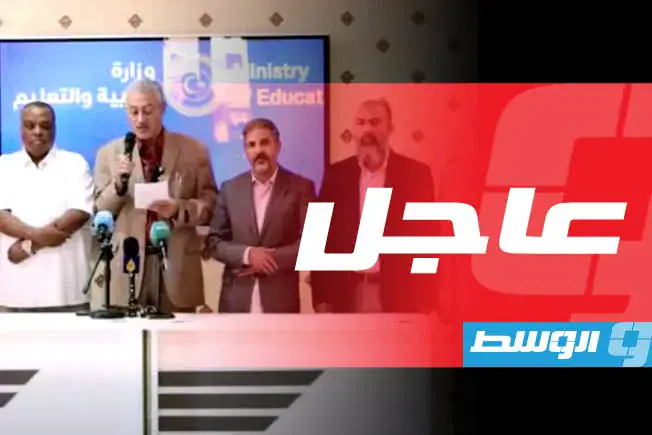
The Libyan teachers' movement has announced that they will resume classes on Sunday, following an agreement with the government. The movement had been on strike, demanding better working conditions and payment of outstanding salaries. According to reports, the government has agreed to pay the first installment of salaries to teachers, which will be deducted from their total financial entitlements. This agreement was reached after a meeting between Prime Minister Abdul Hamid al-Dbeiba and representatives of the teachers' movement.
The agreement was confirmed by the government in a statement, which said that al-Dbeiba had adopted a number of measures in response to the teachers' demands. These measures include the payment of the first installment of salaries to teachers, within this month's salaries. The government also agreed to complete the settlement and payment of remaining differences. The teachers' movement had been demanding the payment of outstanding salaries and better working conditions, and had been on strike for several weeks.
The resumption of classes is a significant development, as the Libyan education sector has been severely impacted by the ongoing conflict in the country. The strike had resulted in the closure of schools and universities, affecting thousands of students. The agreement to resume classes will allow students to return to their studies and will help to mitigate the impact of the conflict on the education sector.
The Libyan government has been working to address the demands of the teachers' movement, and has made several concessions. In addition to the payment of salaries, the government has also agreed to include teachers in the national health insurance system. This move is aimed at improving the welfare of teachers and their families.
The agreement to resume classes has been welcomed by many Libyans, who are eager to see the country's education sector return to normal. The teachers' movement had been a significant challenge to the government, and the agreement is seen as a major breakthrough. The government has been working to address the underlying issues that led to the strike, and has made several commitments to improve the working conditions of teachers.
The Libyan education sector has been severely impacted by the ongoing conflict in the country. The conflict has resulted in the destruction of schools and universities, and has disrupted the education of thousands of students. The agreement to resume classes is a significant step towards addressing these challenges and ensuring that students have access to quality education.
The government has set a 20-day deadline to implement the agreement, and has committed to working with the teachers' movement to address their demands. The agreement is seen as a positive development, and is expected to have a significant impact on the education sector in Libya. The resumption of classes will allow students to continue their studies and will help to promote stability and normalcy in the country.
Key points
- The Libyan teachers' movement has agreed to resume classes on Sunday, following a 20-day ultimatum to the government.