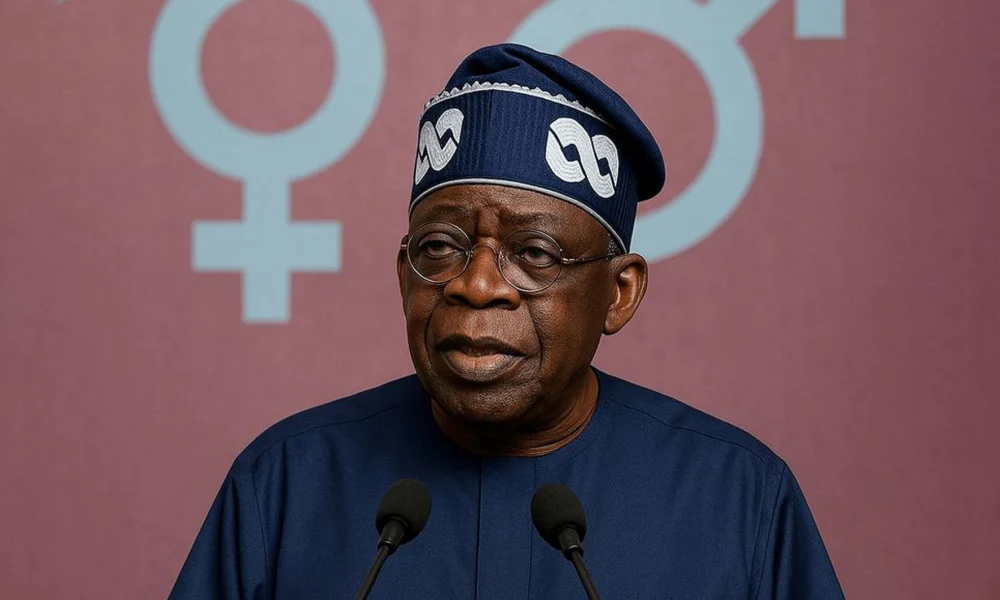
The Economist, a British newspaper, has suggested that despite being unpopular among Nigerians, President Bola Ahmed Tinubu may still win re-election in 2027. In an article published on October 1, Nigeria's Independence Day, the newspaper noted that rising living costs and insecurity have created significant challenges for Nigerians. However, these problems have not resulted in a clear political setback for Tinubu. The Economist expressed surprise at the president's confidence ahead of the election.
The newspaper attributed Tinubu's position to Nigeria's complex electoral system and other factors that shape the country's elections. According to The Economist, an unpopular president like Tinubu can approach an election without showing much concern due to Nigeria's unique political dynamics. The presidential election is scheduled to take place on January 16, 2027. Tinubu's popularity has been a subject of discussion, especially given the challenges faced by Nigerians.
In his Independence Day address, Tinubu declared that Nigeria had moved beyond its period of hardship and was now heading towards prosperity. He also rejected calls to restore the petrol subsidy, which was removed on May 29, 2023. At the time of removal, petrol prices stood between N1,370 and N1,450 per litre. The decision to remove the subsidy has been criticised by opposition figures, including former Vice President Atiku Abubakar.
Atiku Abubakar, the African Democratic Congress presidential candidate, recently criticised Tinubu's promise of prosperity as unrealistic. Abubakar has pledged to restore the petrol subsidy if elected in 2027. Tinubu faces several opposition candidates, including Atiku, Peter Obi, and others seeking to challenge the incumbent president. The 2027 presidential race is expected to be competitive.
The Economist's article highlights the complexities of Nigeria's electoral system and its impact on the outcome of elections. The newspaper's observation that an unpopular president can still win re-election has sparked discussions about the country's politics. Tinubu's confidence ahead of the election has been seen as a significant factor in his favour.
Tinubu's administration has been criticised for its handling of the economy and insecurity. Despite these challenges, the president remains optimistic about the country's future. His declaration that Nigeria is heading towards prosperity has been met with scepticism by some Nigerians. The 2027 election is expected to be a crucial test of Tinubu's popularity.
The 2027 presidential election will be a significant event in Nigeria's political landscape. Several factors, including the economy, insecurity, and the electoral system, will likely influence the outcome. The Economist's article has added to the discussion about Tinubu's popularity and the challenges he faces ahead of the election.
Key points
- Tinubu's unpopularity may not affect his 2027 re-election bid due to Nigeria's complex electoral system.
- The Economist expressed surprise at Tinubu's confidence ahead of the 2027 election.
- Tinubu faces opposition from candidates, including Atiku Abubakar and Peter Obi.