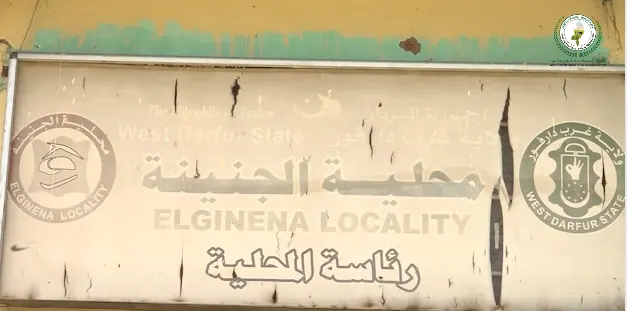
The city of Geneina in West Darfur, Sudan, is experiencing a significant deterioration in living conditions due to a sharp increase in food prices, reduced rainfall, and high costs of imported goods from neighboring countries. The situation has raised concerns among residents about the possibility of a severe food crisis and potential famine in the coming period.
According to journalist Muhyiddin Zakaria, the price of a bag of sorghum has doubled from approximately 300,000 Sudanese pounds to 600,000 pounds. Prices of corn, oils, and other basic food items have also seen significant increases. Zakaria attributes these developments mainly to the lack of rainfall and attempts by some traders to hoard certain goods.
The crisis has sparked fears among residents that West Darfur may be heading towards a severe food crisis, possibly leading to famine, due to reduced agricultural production and rising prices of essential goods. The region heavily relies on food supplies from neighboring countries, primarily through Chad. However, the increased value of the Chadian franc against the Sudanese pound has further driven up prices.
The exchange rate between the Sudanese pound and the Chadian franc has become increasingly unfavorable, with 1,000 Chadian francs rising from around 35,000 Sudanese pounds to approximately 46,000 pounds. This trend is expected to continue, exacerbating the economic strain on residents. Additionally, the high cost of financial transfers via the "Benkek" application has added to the burden on citizens.
The cost of obtaining goods and services has become more challenging due to a nearly 46% deduction rate in the state. One resident reported that the exchange rate for the Sudanese pound against Benkek has reached 70,000 pounds. The instability in the foreign exchange market and reliance on the parallel market have contributed to increased prices and economic hardship.
The current indicators in West Darfur suggest that living conditions will continue to deteriorate, with growing concerns about a worsening food crisis in the near future. The situation demands attention from authorities and humanitarian organizations to address the pressing needs of the affected population.
The economic hardship faced by West Darfur's residents is further complicated by the fluctuations in the dollar's value and the reliance on imported goods. Efforts to stabilize the economy and ensure food security are crucial to mitigating the crisis.
Key points
- West Darfur faces severe economic hardship due to drought, inflation, and high food prices.
- The region relies heavily on food supplies from neighboring countries, primarily through Chad.
- The exchange rate between the Sudanese pound and the Chadian franc has become increasingly unfavorable.