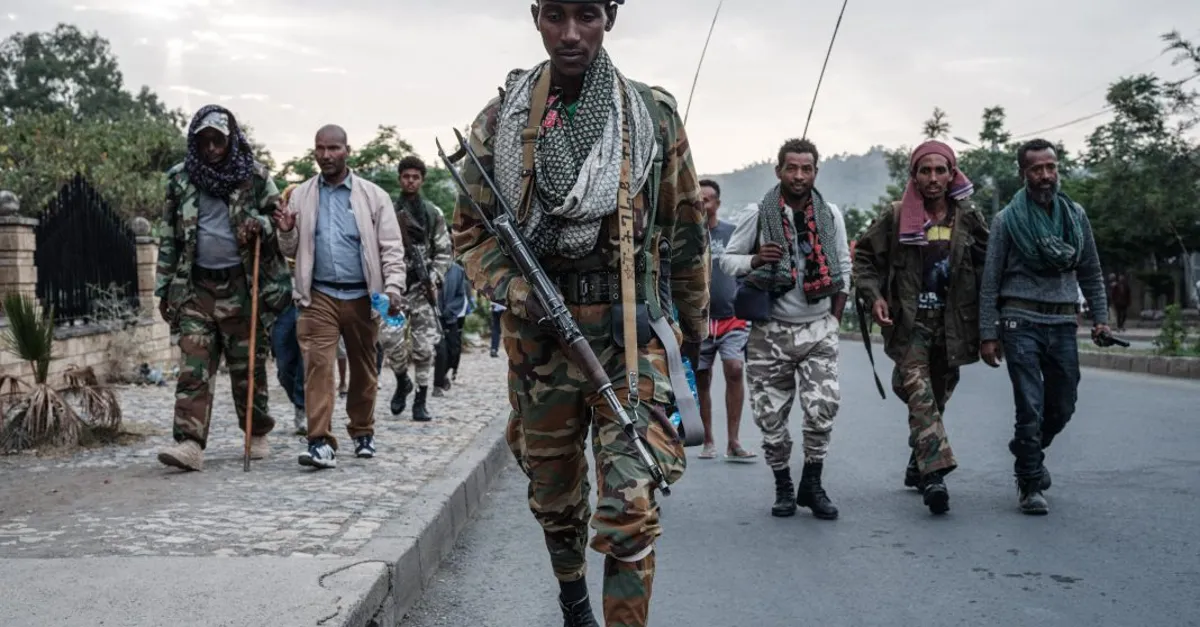
The conflict in northern Ethiopia between federal forces and Tigray rebels continues to escalate, causing significant economic costs for the country and the region. The war has led to a slowdown in economic growth, with the country's GDP growth rate expected to drop to around 2%. This decline is attributed to the disruption of economic activity, internet outages, and the strain on the country's resources. According to the International Monetary Fund, the Ethiopian government estimated that the damage from the Tigray war and other concurrent conflicts was around $22.6 billion, equivalent to 18% of the country's GDP in the 2024-2025 financial year.
The conflict has also led to a significant increase in the country's budget deficit. The Ethiopian government has increased its military spending, with the finance minister announcing that the total expenditure for the 2026-2027 financial year is expected to be around $14.69 billion. This increase in spending has resulted in a larger deficit, with the country's budget deficit already standing at 1.20% of GDP in 2025. Furthermore, the war has disrupted the agricultural sector, which is a significant contributor to the country's economy. Around 80% of the population relies on agriculture, but the conflict has prevented farmers from accessing their land, leading to a decline in production and an increase in food prices.
The conflict has also had a devastating impact on the country's food security. The war has disrupted the supply chain, leading to a shortage of food and an increase in prices. According to the Food and Agriculture Organization (FAO), corn prices in some Ethiopian markets increased by 20-44% in 2025 compared to previous levels. The conflict has also led to a decline in the livestock population, which will have long-term consequences for the country's food security. The FAO has warned that if the conflict continues, it will have severe consequences for the country's food security and the livelihoods of its citizens.
The conflict has also led to a significant increase in displacement, with around 4.2 million internally displaced persons (IDPs) and over 823,000 refugees and asylum seekers in the country. The conflict is likely to exacerbate this situation, leading to a significant increase in displacement and a strain on the country's resources. The displacement of people has also had a negative impact on the labor market, with a significant increase in unemployment. According to the Ethiopian Statistical Agency, the country's unemployment rate stands at 9.6%, with around 5.2 million people unemployed.
The regional impact of the conflict is also significant. Ethiopia's neighbors, including Sudan, South Sudan, Somalia, Eritrea, and Kenya, are all affected by the conflict. The war has disrupted trade between Ethiopia and its neighbors, with exports to these countries declining significantly in 2023. The conflict has also had a negative impact on the Djibouti-Ethiopia trade corridor, which is a critical lifeline for the landlocked country. The conflict has also raised concerns about regional stability, with the potential for the conflict to spill over into neighboring countries.
The conflict has also had a significant impact on the regional economy. The war has disrupted the supply of food and other essential goods to neighboring countries, including South Sudan and Somalia. According to the FAO, around 7.8 million people in South Sudan were expected to face severe food insecurity in 2026, and the conflict in Ethiopia is likely to exacerbate this situation. The conflict has also raised concerns about the security of the region, with the potential for the conflict to spill over into neighboring countries and destabilize the region.
In conclusion, the economic costs of the conflict in Ethiopia are significant, both domestically and regionally. The war has disrupted economic activity, led to a decline in growth, and had a devastating impact on the country's food security and displacement. The regional impact of the conflict is also significant, with the potential for the conflict to spill over into neighboring countries and destabilize the region. The international community must work together to find a peaceful solution to the conflict and mitigate its economic and humanitarian consequences.
Key points
- The conflict in Ethiopia has led to a significant decline in economic growth, with the country's GDP growth rate expected to drop to around 2%.
- The conflict has disrupted the agricultural sector, leading to a decline in production and an increase in food prices.
- The conflict has had a significant impact on regional stability, with the potential for the conflict to spill over into neighboring countries and destabilize the region.