Libyan economic analyst Ahmed Abu Al-Sin stated that the increasing dollar value in the parallel market is a significant source of pressure on prices in Libya. However, he noted that it does not solely explain the recent price hikes in the market. Abu Al-Sin emphasized that Libya's economy heavily relies on imports, making the rising cost of foreign currency quickly reflect on commodity prices, especially imported goods.
The impact of the exchange rate goes beyond import costs, extending to shipping, transportation, storage, distribution margins, demand levels, and product availability before reaching consumers. Abu Al-Sin highlighted that the purchasing power of income is a crucial indicator for measuring living conditions, not the nominal salary value. He explained that a fixed salary does not necessarily mean a stable ability to cover needs.
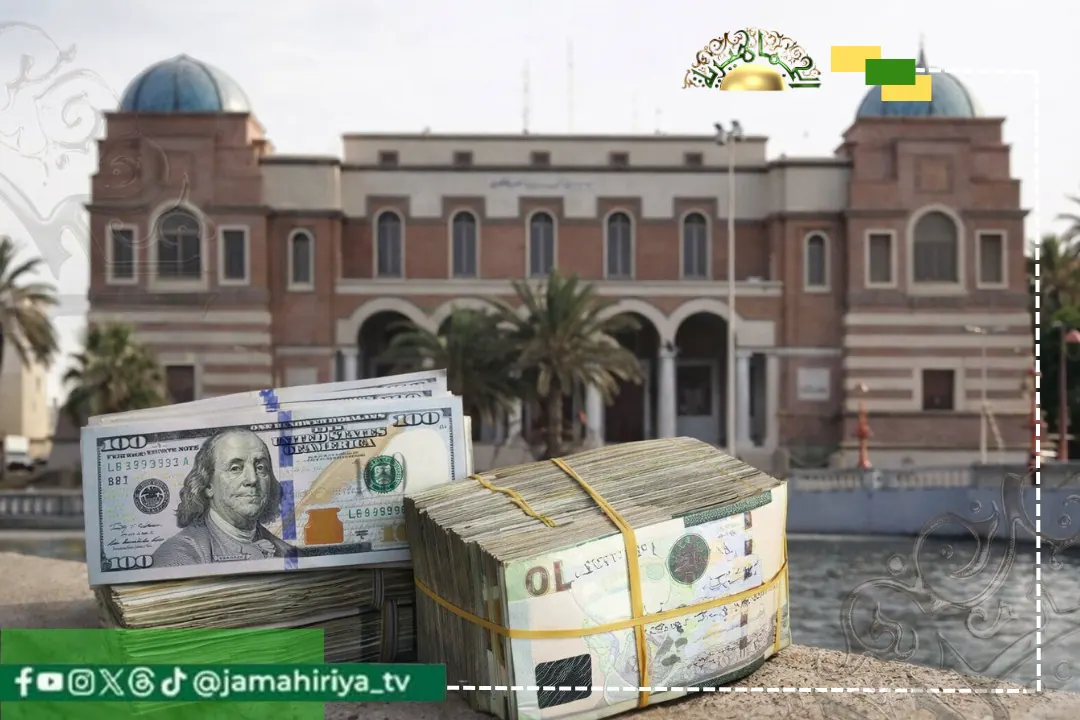
The dollar value in the parallel market has reached approximately 9.66 dinars, compared to around 6.3 dinars at the official rate, with a difference of over 3 dinars. Abu Al-Sin pointed out that the continued gap between the official and parallel exchange rates creates uncertainty among importers, traders, and consumers due to changing import costs and inventory rebuilding.
The analyst stressed that addressing living pressures requires a stable exchange market, improved import financing channels, ensuring the availability of essential goods, and enhanced market control. He also emphasized the importance of addressing financial imbalances that increase foreign currency demand and contribute to ongoing price pressures.
The effects of rising prices are more pronounced among those with fixed incomes, who face increased food, medicine, and transportation costs, while their incomes do not rise at the same rate. A study by the Food and Agriculture Organization (FAO) and the National Council for Economic and Social Development estimated the cost of a healthy and safe food basket for a Libyan family at around 1500 dinars.
Food accounts for approximately 40% of a family's average income. The current situation highlights the challenges faced by Libyans, particularly those with fixed incomes, in coping with rising living costs. The issue requires a comprehensive approach to address the root causes of the problem and alleviate the pressure on citizens.
The situation calls for a multi-faceted solution that involves stabilizing the exchange market, improving import financing, and ensuring the availability of essential goods. The government and relevant authorities must work to address the financial imbalances and develop strategies to mitigate the impact of rising prices on citizens, particularly those with fixed incomes.
Key points
- The rising dollar value in the parallel market is putting pressure on prices and purchasing power in Libya.
- The Libyan economy's heavy reliance on imports makes it vulnerable to fluctuations in the exchange rate.
- Addressing living pressures requires a stable exchange market, improved import financing, and enhanced market control.