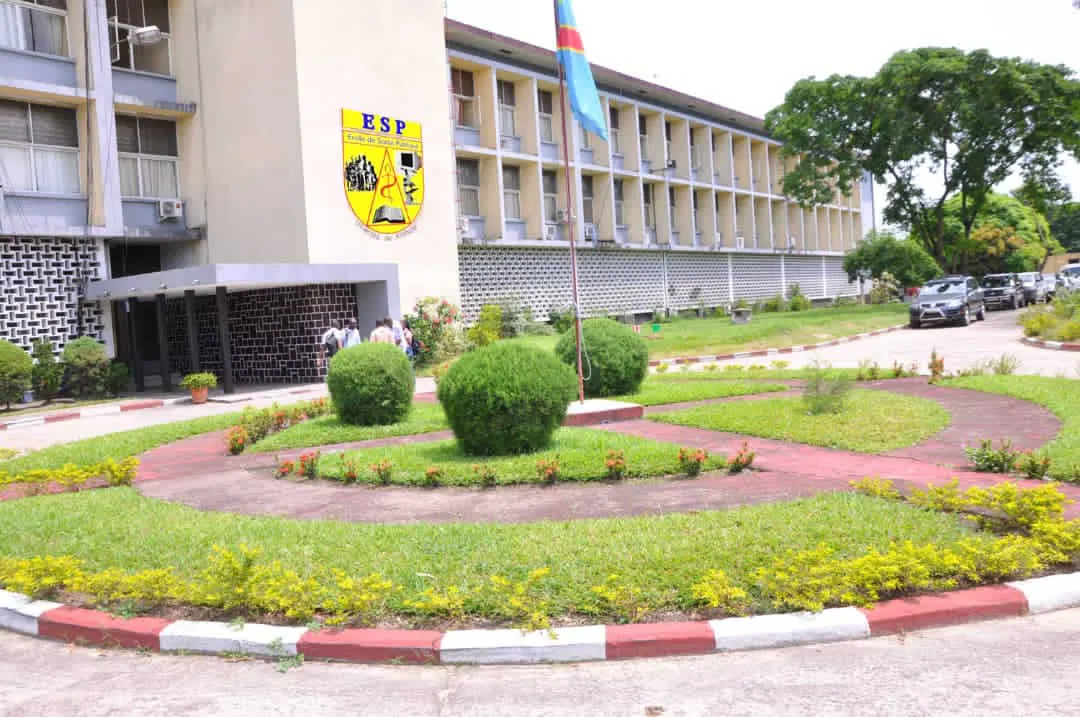
The Ecole de Santé publique (ESPK) at the University of Kinshasa in the Democratic Republic of Congo has expressed opposition to establishing a standalone bucco-dental public health program. According to the school's director general, Professor Eric Mafuta, the ESPK already collaborates with the university's dental medicine department, providing public health courses to dental students. This existing partnership, he argues, makes a separate bucco-dental public health program unnecessary.
Professor Mafuta emphasized that the ESPK is focused on training specialists in public health, which is a third-cycle program. He questioned the rationale behind dental medicine's desire to offer a specialized public health program, suggesting that if this approach is adopted, every medical department could demand its own specialized public health program. This, he believes, would lead to duplication and a lack of rationalization in the education system.
The director general further explained that dental medicine should focus on its core clinical work and leave public health to the ESPK. He cited the Ministry of Health's 52 programs as an example, highlighting the potential chaos if each program were to have its own public health component. Instead, he pointed to the existing collaboration between the ESPK and various departments, which allows for the integration of public health into their curricula.
The ESPK currently offers five programs, including program and service management, health economics, nutritional epidemiology, environment and health, and field epidemiology training. These programs, Professor Mafuta noted, are designed to provide comprehensive training in public health. He expressed concern that creating a separate bucco-dental public health program would undermine the ESPK's efforts to provide specialized public health education.
According to Professor Mafuta, the university has a well-established academic structure that avoids duplication and promotes rationalization. He emphasized that this framework is essential in ensuring that academic programs are coherent and effective. The ESPK's collaboration with dental medicine, he believes, is a prime example of how this structure can facilitate meaningful partnerships between departments.
The opposition to the bucco-dental public health program comes amid ongoing efforts to strengthen the education system in the Democratic Republic of Congo. The ESPK's stance reflects its commitment to providing high-quality public health education and its concerns about the potential consequences of creating a separate program. As the debate continues, stakeholders will be watching closely to see how this issue unfolds.
The controversy highlights the complexities of academic program development in the Democratic Republic of Congo. With various departments and institutions vying for resources and autonomy, conflicts are bound to arise. The ESPK's opposition to the bucco-dental public health program serves as a reminder of the need for careful planning and coordination in the education sector.
Key points
- The Ecole de Santé publique at the University of Kinshasa opposes creating a standalone bucco-dental public health program due to existing collaborations with dental medicine.