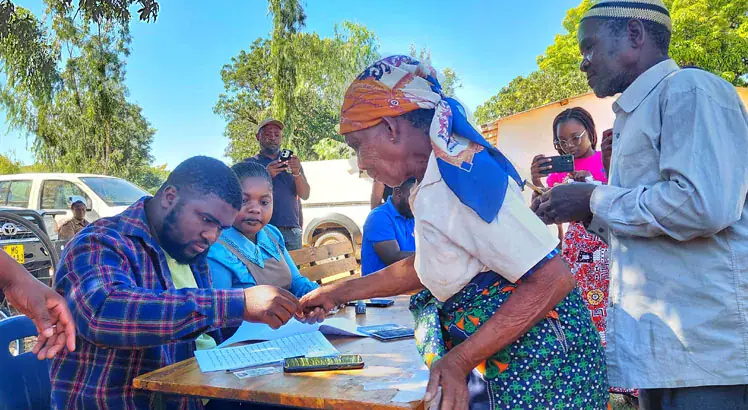
The Economics Association of Malawi (Ecama) has advised the government to reinforce social protection programmes to address the escalating poverty and the looming effects of El Niño. According to Ecama president Bertha Bangara-Chikadza, despite a decline in the national poverty rate, the poorest citizens have not benefited from this trend. Data indicates that ultra-poverty levels have not decreased, necessitating urgent intervention.
Ecama's analysis, titled ‘What needs to be done to ensure ultra-poverty levels decline’, highlights the need for adequate funding of social cash transfers targeting the poorest. Additionally, the association recommends increasing farm productivity and stabilizing food prices to boost farmers' access to inputs and markets, thereby enhancing yields. These suggestions come as Malawi's social protection budget for 2026/27 is set at K123 billion, a decrease from K217 billion in the 2025/26 fiscal year.
The National Statistical Office's (NSO) Poverty and Inequality Report reveals that ultra-poverty rose to 24 percent in 2025 from 20.5 percent in 2020, despite an overall decline in poverty to 47.3 percent from 50.7 percent. This trend indicates that the benefits of economic growth have not been evenly distributed, with the poorest segments of the population being left behind. As a result, there is a pressing need for targeted interventions to address this disparity.
University of Malawi economics lecturer Edward Leman emphasizes the importance of transitioning households from dependency on handouts to sustainable sources of income and economic self-reliance. However, he notes that this transition requires adequate resources, effective implementation, and monitoring to ensure that programmes lead to meaningful improvements in living standards. This perspective underscores the complexity of addressing poverty and the need for a multi-faceted approach.
The World Bank's recent Malawi Economic Monitor highlights that Malawi's improving macroeconomic indicators have not translated into better living conditions for many citizens. Despite moderating inflation, data show that more people struggle to afford minimum food requirements, indicating that economic growth has not been inclusive. This situation underscores the need for policies that directly address poverty and inequality.
Ecama's recommendations and the World Bank's observations emphasize the urgency of addressing poverty and inequality in Malawi. The decline in social protection funding at a time when needs are rising has raised concerns among stakeholders. As the government considers its budget allocations, the emphasis on social protection and sustainable economic interventions will be crucial in mitigating the impacts of poverty and El Niño.
Moving forward, the Malawi government faces the challenge of balancing budget allocations with the pressing need to address poverty and support vulnerable populations. The implementation of targeted social protection programmes, coupled with efforts to enhance farm productivity and stabilize food prices, will be critical in reducing ultra-poverty levels. The effectiveness of these interventions will depend on adequate funding, efficient implementation, and rigorous monitoring.
Key points
- Ecama urges the Malawi government to strengthen social protection programmes to tackle worsening poverty and the imminent impact of El Niño.
Reporting sources
- Ecama tips govt on social protection programmes · The Nation