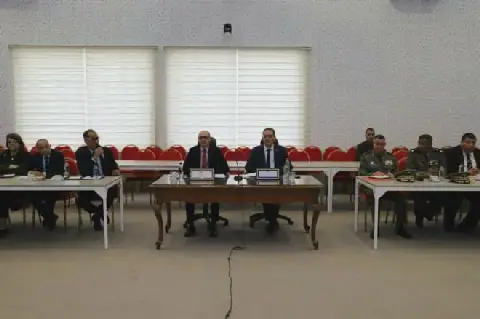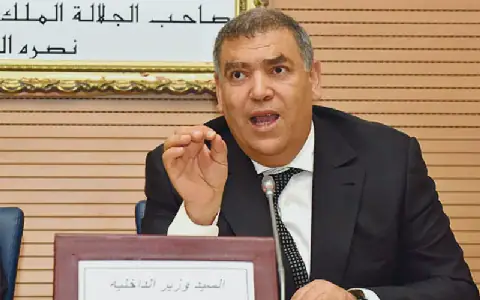
The Economic Commission for Africa (ECA) has urged African governments to prioritize health financing by incorporating health pledges into their budget lines. This call was made during a panel discussion at the 2026 Conference on Public Health in Africa (CPHIA). The panel, which included Aboubakri Diaw, Chief of Staff at the ECA, Hervé Ndoba, Minister of Finance and Budget of the Central African Republic, Dr. Paulin Basinga of the Gates Foundation, and Dr. Douglas Mombeshora, former Minister of Health and Child Care of Zimbabwe, emphasized the need for predictable, domestic, innovative, and blended finance in the health sector.
The speakers at the panel discussion agreed that health should be viewed as an investment that yields returns, rather than a cost competing with other priorities. Aboubakri Diaw shared the story of a market woman who falls ill and loses her business due to lack of health coverage. He highlighted that with health coverage, she can be treated early, return to work, and pay taxes for another 25 years. Diaw emphasized that this is what economists refer to as human capital, which he considers the best-performing asset on the continent.
According to Diaw, Africa's tax revenue stands at around 16 percent of GDP, and debt service exceeds health spending in most countries. He also noted that between 13 percent and 20 percent of voted budgets remain unspent at the end of the year. Diaw stressed that efficiency is crucial in managing the reduced tax base and that when the budget does not pay, households bear the burden. Out-of-pocket health costs push more than 150 million Africans deeper into poverty every year.
Diaw proposed that partner funding should not necessarily pass through the treasury, but the Minister of Finance should have visibility of it. He argued that what the budget cannot see, it cannot plan to take over when donors leave. Over the next ten years, he called for finance ministries to own health reforms, for health budgets to be planned over three years rather than one, and for one compact per country signed by finance, health, and all partners.
Hervé Ndoba, Minister of Finance and Budget of the Central African Republic, shared his country's plan to allocate 10 percent of its budget to health by 2029, up from 4 percent in 2026. He identified key pathways, including carbon credits from its forests, debt swaps to finance health infrastructure, and pension funds. Ndoba emphasized that transparency is a precondition, citing his country's quarterly budget execution reports.
Dr. Paulin Basinga of the Gates Foundation suggested that catalytic philanthropy and technical assistance need to stay flexible, but governments should have visibility of all funding. He cited Ethiopia as an example, where the health ministry tracks Gates Foundation grants directly, and budget disbursement reaches 95 percent. Dr. Douglas Mombeshora, former Minister of Health and Child Care of Zimbabwe, called on Africa to strengthen its global health diplomacy and negotiate as a bloc.
The ECA's call for increased health financing and domestic investment aims to address the significant gap in health funding in Africa. The continent faces a substantial burden of poverty and poor health outcomes, which can be alleviated through sustained investment in the health sector. By prioritizing health financing and working together, African governments can improve health outcomes and reduce poverty.
Key points
- The ECA urges African governments to incorporate health pledges into their budget lines to prioritize health financing.
- The panel discussion emphasized the need for predictable, domestic, innovative, and blended finance in the health sector.
- African governments are called upon to strengthen global health diplomacy and negotiate as a bloc to improve health outcomes.