The IOM's Ebola response plan in the DRC and neighboring countries has received only 27% of the required funding. According to the organization's report covering September 14-20, it has received $29.6 million out of the $110 million requested. This leaves a funding gap of over $80 million to support the response efforts. The IOM's plan aims to enhance preparedness and response to the Ebola outbreak in the region.
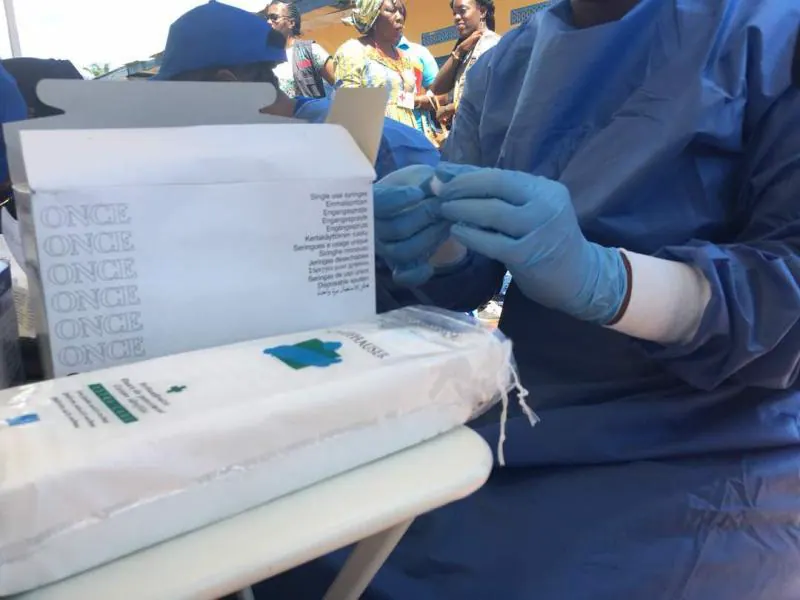
The IOM's plan focuses on maintaining surveillance and response efforts in the DRC and neighboring countries. This includes deploying personnel, providing equipment and supplies, and ensuring regular maintenance of health facilities. The organization is working to support the deployment of 141 agents from the Ministry of Health in 27 entry points in Uganda. Similar efforts are underway in other countries in the region.
Maintaining surveillance and response efforts requires a significant amount of resources. Each health checkpoint needs to be operational daily, with trained agents to screen travelers, protective equipment, and maintained facilities. The IOM's report highlights the need for sustained support to maintain these efforts over time. This includes ensuring connectivity, supplies, and coordination among response teams.
The funding gap affects the IOM's ability to sustain its response efforts. While the report does not indicate that any health checkpoints have been closed due to lack of funding, it emphasizes the need for continued support to maintain existing capacities. The IOM's plan is part of a broader response to the Ebola outbreak in the region, but the funding shortfall may impact its effectiveness.
The Ebola outbreak in the DRC has had a significant impact on the region. According to Save the Children, nearly 1,000 children have died from Ebola since the start of the epidemic. The DRC government has also developed a 180-day plan to prepare for and respond to the outbreak, with a budget of $1.2 billion. The plan aims to enhance response efforts and mitigate the impact of the outbreak.
The IOM's response efforts are critical to controlling the outbreak. The organization is working closely with local authorities, the Ministry of Health, and other partners to enhance preparedness and response. This includes supporting the deployment of personnel, providing equipment and supplies, and ensuring regular maintenance of health facilities. The IOM's efforts are essential to preventing the spread of the disease.
The funding shortfall highlights the need for sustained support to respond to the Ebola outbreak. The IOM's plan is critical to maintaining surveillance and response efforts in the DRC and neighboring countries. Donors and partners must provide additional funding to support the response efforts and prevent the spread of the disease. The situation remains critical, and sustained support is essential to controlling the outbreak.
Key points
- The IOM's Ebola response plan in the DRC and neighboring countries is only 27% funded, leaving a significant funding gap.
- The funding shortfall may impact the effectiveness of the response efforts and the ability to maintain surveillance and response capacities.
- The Ebola outbreak in the DRC has had a significant impact on the region, with nearly 1,000 children dying from the disease since the start of the epidemic.