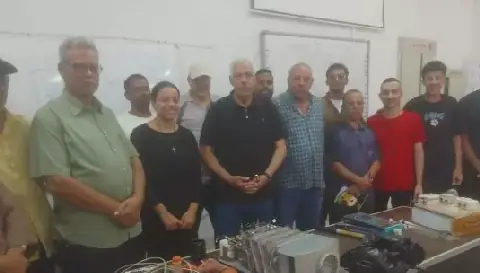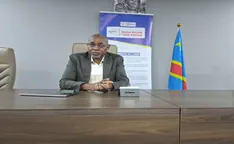
A training conference was held in Kinshasa, Democratic Republic of Congo, on September 25, 2026, to discuss the role of coordination in responding to the Ebola virus disease. The conference, themed "Ebola in DR Congo: Strengthening Response to Emerging Bundibugyo Strain," aimed to enhance preparedness, early diagnosis, and patient care. Organized by the Victorious Development Initiative and the National Public Health Institute (INSP) under the Ministry of Public Health, Hygiene, and Social Protection, the event brought together experts to share knowledge and best practices.
Professor Christian Ngandu, Coordinator of the Public Health Emergency Operations Center (COUSP) at INSP, highlighted the importance of coordination in effective Ebola response. He noted that a well-coordinated response is crucial in controlling the spread of the disease, citing the International Health Regulations, which recommend establishing a coordination structure like COUSP. Ngandu emphasized that coordination begins before an epidemic is declared, and its effectiveness determines the success of the response.
Ngandu further explained the role of INSP in Ebola response, including early detection, prevention, and coordination. He discussed the deployment of human resources, decentralization to provinces, vaccination, and therapeutic molecules, which have contributed to controlling the epidemic. The professor also mentioned that feedback from the conference included the need to strengthen animal surveillance, particularly for wild and domestic fauna, and to reduce the inter-epidemic period.
The conference also covered strategies for controlling the epidemic, as outlined in the preparedness plan from August 1, 2026, to February 27, 2027. These strategies include risk communication, community engagement, case surveillance, laboratory testing, treatment centers, case management, and preventive measures. Ngandu stressed that INSP plays a key role in coordinating the epidemic response, while COUSP serves as the operational platform supporting the incident management system.
The training conference provided a platform for experts to share experiences and lessons learned from previous Ebola outbreaks. Participants discussed the importance of collaboration and coordination among stakeholders, including government agencies, NGOs, and international partners. The event aimed to enhance the capacity of healthcare professionals and responders to effectively manage Ebola outbreaks.
Key aspects of the Ebola response in DR Congo include early detection, rapid response, and effective coordination. The country has made progress in controlling the spread of the disease, with the help of international partners and local communities. Continued efforts are needed to prevent future outbreaks and strengthen the healthcare system.
The collaboration between INSP, COUSP, and other stakeholders has been instrumental in controlling the Ebola epidemic in DR Congo. The country's experience in responding to Ebola outbreaks has informed global strategies for managing public health emergencies. Continued investment in public health infrastructure and coordination is essential for effective disease control.
Key points
- Effective coordination is crucial in controlling the spread of Ebola.
- DR Congo has made progress in controlling the Ebola epidemic through coordinated response efforts.
- Continued investment in public health infrastructure and coordination is essential for effective disease control.