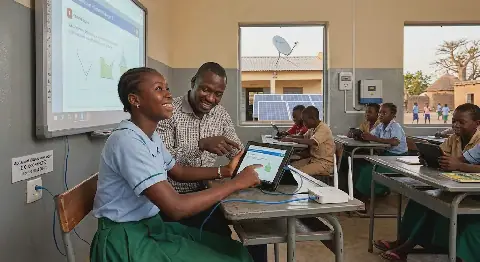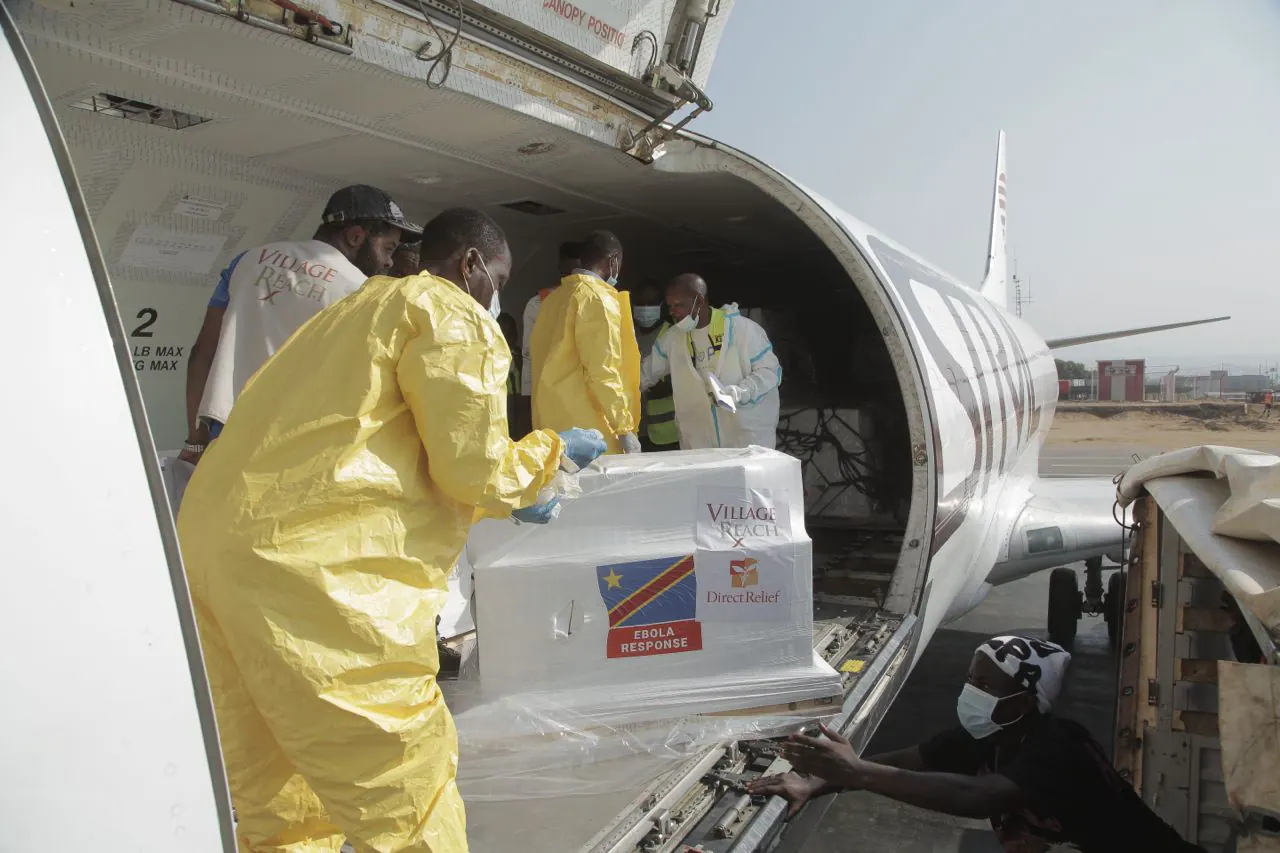
Medical teams fighting Ebola in the Democratic Republic of the Congo's Ituri province are bolstering prevention and control measures in local schools. This move aims to minimize the risk of the virus spreading. According to sources, schools in the Rwampara health zone have been equipped with infection prevention and control materials. School brigades and focal points have also been established in each institution to ensure surveillance and act as a liaison with health teams.
The Rwampara health zone's chief doctor, Patrick Basara, stated that daily visits are conducted in schools to quickly identify students or staff displaying symptoms. If a student is found to have a high temperature, they are immediately isolated. This proactive approach enables swift action to prevent potential outbreaks. By doing so, authorities hope to reduce the risk of transmission within the school environment.
Health teams have also intensified surveillance around students exposed to confirmed Ebola cases. Dr. Basara cited the example of Maranata school in Shari, where a positive case was detected. Students from this school are being closely monitored with the support of community relays. Each relay is responsible for tracking around 20 students, both morning and evening.
In addition to monitoring students, authorities are also identifying households of children who may have been exposed. This allows for continued surveillance at home if a student is absent from school. According to Dr. Basara, this comprehensive strategy can help break the transmission chain and protect students in schools. By working together, health officials believe they can mitigate the risk of Ebola spreading.
However, concerns are growing at Lalia primary school near Biakato-centre in Mambasa territory. A student from this school died from Ebola on Wednesday, prompting anxiety among students and parents. Some students left classes, and several parents chose not to send their children to school on Thursday as a precautionary measure.
School authorities in Mambasa 2 are urging students, teachers, and parents to strictly adhere to prevention measures to minimize contamination risks in schools. By taking these precautions, they hope to create a safer environment for learning. The situation highlights the ongoing challenges in controlling Ebola outbreaks in the region.
The Ebola outbreak in Ituri province underscores the need for continued vigilance and cooperation between health officials, schools, and local communities. As the situation develops, authorities will need to remain proactive in their efforts to prevent further transmission and protect the health of students and staff.
Key points
- Medical teams are strengthening Ebola prevention measures in Ituri schools.
- Daily visits are being conducted in schools to identify students with symptoms.
- Authorities are monitoring students exposed to confirmed Ebola cases and identifying households for continued surveillance.