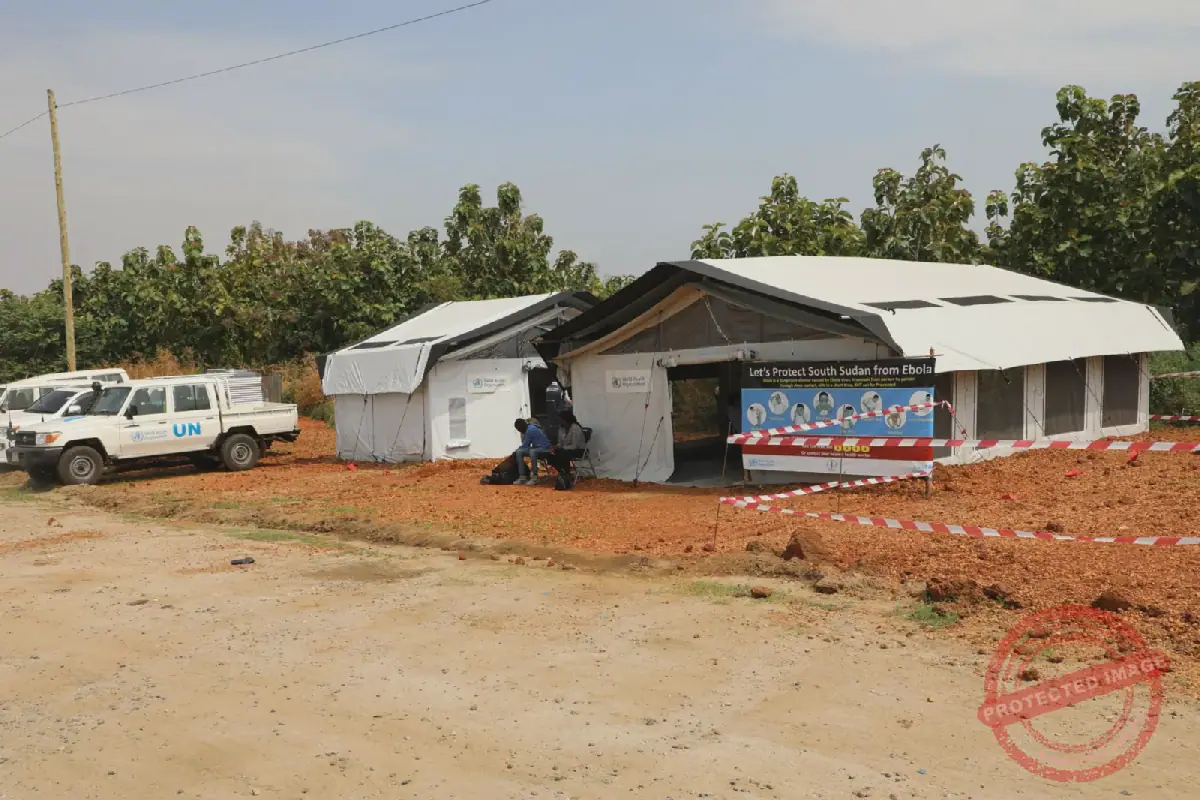
A national simulation exercise conducted in South Sudan from 19 to 24 October has revealed significant gaps in the country's preparedness for a potential Ebola virus disease (EVD) outbreak. The exercise, which involved over 100 participants from government institutions, UN agencies, and health partners, assessed critical components of the national outbreak response system. The simulation tested early detection, notification, investigation, case management, and coordination at national and subnational levels.
The exercise identified operational gaps in emergency referrals, sample handling, safe burial arrangements, and essential supplies. These gaps highlight the need for immediate and short-term action to strengthen the country's response systems. According to Dr. Moses Ongom, WHO Representative (OIC) for South Sudan, the simulation exercise is critical to evaluating and finding the remaining operational capacity gaps in outbreak management.
The findings of the exercise underscore the need to strengthen coordination and operational capacity across the country's response systems before a potential outbreak occurs. As of October, South Sudan's readiness level stands at 72.5 percent, with varying levels of readiness in the 11 different pillars. Dr. Ader Macar Aciek, Executive Director of the National Public Health Institute (NPHI), emphasized that the simulation was critical to determining whether the different preparedness pillars could work together effectively to contain a potential Ebola virus importation.
The country continues to strengthen preparedness measures amid ongoing regional risks. As of 27 October, no confirmed EVD cases had been reported in South Sudan. However, nine new EVD alerts were reported nationwide between 22 and 27 October, with 81 cumulative alerts recorded by 27 October. Of these, 32 tested negative, 47 were discarded, and two cases in Morobo were awaiting laboratory results.
The World Health Organization (WHO) has been supporting EVD preparedness efforts in South Sudan. Between 22 and 28 October, 196,713 screenings were reported at points of entry, with no public health alerts reported through those screening activities. Since May 2026, over 5.4 million screenings have been conducted at points of entry.
Gaps in safe and dignified burial preparedness also remain a concern. According to the WHO update reported as of 28 October, 275 of the planned 300 volunteers had been trained, while 26 of 30 response teams were described as operational and equipped to respond. However, 13 counties still lacked dedicated burial transport, limiting partners' ability to deploy.
The Ministry of Health, NPHI, and partners will continue to strengthen preparedness and response capacities to reduce the risk of EVD importation and improve outbreak readiness nationwide. The simulation exercise has highlighted the need for sustained efforts to address the identified gaps and ensure that the country is better prepared to respond to a potential Ebola outbreak.
Key points
- A recent Ebola preparedness exercise in South Sudan has highlighted operational gaps in emergency referrals, sample handling, and safe burial arrangements.
- The country's readiness level stands at 72.5 percent, with varying levels of readiness in the 11 different pillars.
- The Ministry of Health, NPHI, and partners will continue to strengthen preparedness and response capacities to reduce the risk of EVD importation and improve outbreak readiness nationwide.