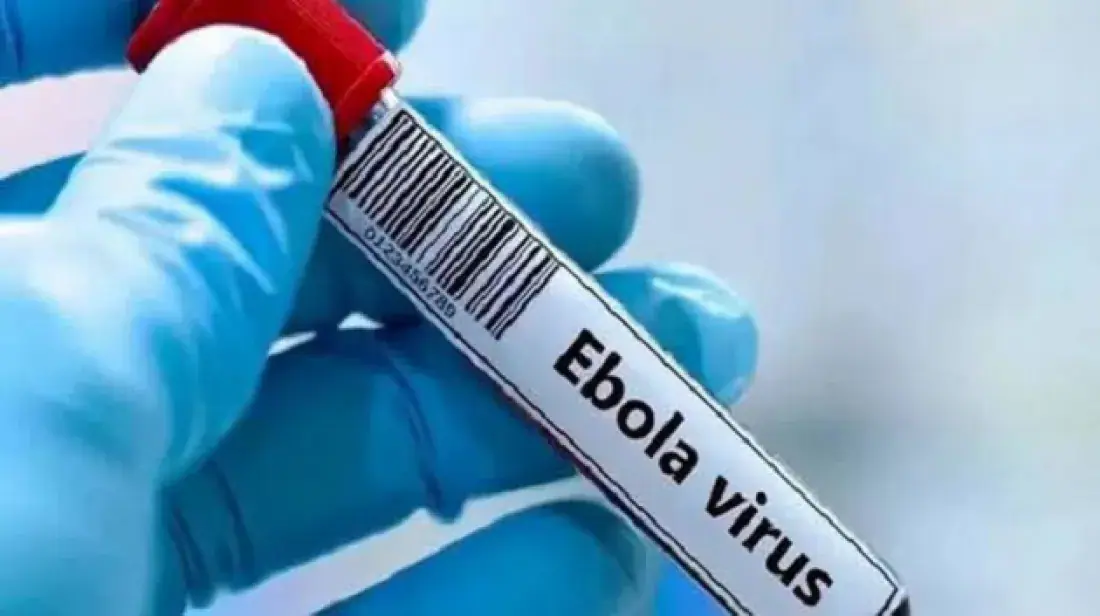
The Ebola outbreak in the Democratic Republic of Congo has surpassed 5,000 deaths, with a total of 10,467 confirmed cases and a fatality rate of 48.8% since the outbreak was declared in May. According to the Congolese Ministry of Health, this makes it the second-largest Ebola outbreak in history, after the 2014-2016 West African epidemic that killed over 11,000 people. The current outbreak is the 17th in the country's history.
The outbreak has spread to 67 health zones in eight of the country's 26 provinces, with the main epicenter in the Ituri region in northeastern Congo, accounting for around 71% of all confirmed cases. One of the most worrying aspects of the outbreak is the continued appearance of new cases outside the known contact chains of infected individuals, making it difficult for health authorities to track the source of the infection.
The Centers for Disease Control and Prevention (CDC) estimates that around 80% of new cases in Ituri are not linked to known contacts, indicating that there are likely undetected transmission chains. The situation is further complicated by the high number of deaths occurring outside treatment centers, with 45 new deaths reported in a single day, including 26 in local communities.
The Congolese health authorities have tracked over 36,000 contacts, but only managed to reach around 86.6% of them within a day, which is below the target of 95%. This highlights the challenges faced by authorities in detecting the disease early and getting infected individuals to health facilities, particularly in remote and conflict-affected areas.
The outbreak is no longer confined to the Democratic Republic of Congo, with cases reported in other countries, including Uganda, Kenya, and Nigeria. In Kenya, nine confirmed cases and two deaths have been reported, all linked to the first imported case from Congo. Nigeria also reported a confirmed case in a person who had traveled from Uganda.
The World Health Organization (WHO) has called for enhanced surveillance, early detection, and treatment, as well as improved coordination between countries. The organization emphasizes the importance of engaging with local communities to reach infected individuals and contacts. Meanwhile, countries such as Saudi Arabia have taken precautionary measures, including suspending travel to Kenya and restricting entry for travelers from countries with active outbreaks.
The international community is working to contain the outbreak, with efforts focused on improving contact tracing, enhancing laboratory capacity, and providing support to affected countries. The situation remains critical, with concerns about the potential for further spread and the need for sustained efforts to bring the outbreak under control.
Key points
- The Ebola outbreak in the Democratic Republic of Congo has claimed over 5,000 lives.
- The outbreak has spread to other African countries, including Uganda, Kenya, and Nigeria.
- The World Health Organization is calling for enhanced surveillance, early detection, and treatment to contain the outbreak.