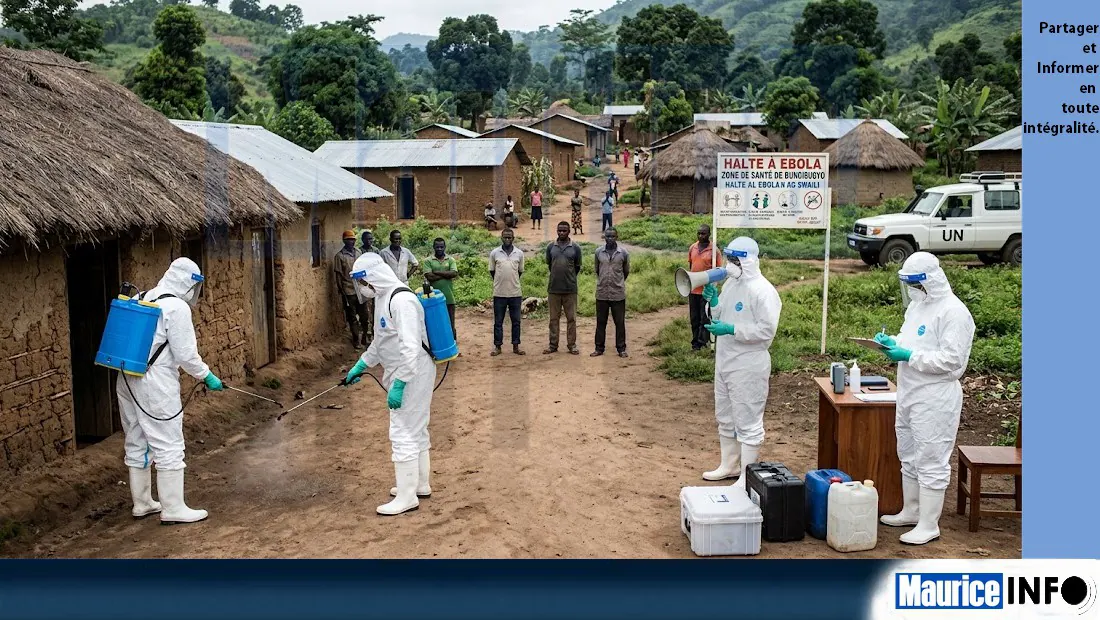
The Ebola outbreak in the Democratic Republic of Congo has continued to spread, with two new health zones affected, according to an update on September 26, 2026. The Bulu health zone in Sud Ubangi province and Dungu health zone in Haut-Uélé province are now impacted, bringing the total number of affected health zones to 63 across seven provinces. This expansion increases the risk of cross-border transmission.
As of September 23, 2026, the Democratic Republic of Congo has reported 7890 confirmed Ebola cases, including 3799 deaths, resulting in a crude case fatality ratio (CFR) of 48.1%. The CFR remains high, indicating persistent challenges in timely case detection and access to early and adequate patient care. The situation varies across the country, with some provinces and health zones experiencing higher levels of transmission.
The outbreak has now spread to seven provinces out of 26 in the country, including Bas-Uélé, Haut-Uélé, Ituri, North Kivu, South Kivu, Sud Ubangi, and Tshopo. The geographic expansion of the outbreak poses significant challenges for response efforts and increases the risk of further transmission. The World Health Organization and other partners are working to contain the outbreak.
The high number of new cases reported daily and the continuous high rate of deaths occurring in communities highlight the seriousness of the disease. Delays in case detection and access to care contribute to preventable illness and deaths among people in affected and newly affected areas. Transmission continues within households, communities, and healthcare settings.
The Ebola outbreak in the Democratic Republic of Congo has significant implications for regional and global health security. The country's porous borders and high levels of population movement increase the risk of cross-border transmission to neighboring countries. Response efforts are focused on containing the outbreak and preventing further spread.
The situation in the Democratic Republic of Congo is being closely monitored by global health authorities, including the World Health Organization. The organization is working with the government and partners to coordinate response efforts and provide technical assistance. The response is focused on enhancing case detection, improving access to care, and reducing transmission.
The ongoing Ebola outbreak in the Democratic Republic of Congo highlights the need for sustained vigilance and cooperation to contain the disease. The situation remains fluid, and the risk of further transmission persists. Global health authorities continue to work with the government and partners to bring the outbreak under control.
Key points
- The Ebola outbreak in the Democratic Republic of Congo has expanded to 63 health zones across seven provinces, with 7890 confirmed cases and 3799 deaths reported as of September 23, 2026.
- The crude case fatality ratio (CFR) remains high at 48.1%, indicating persistent challenges in timely case detection and access to early and adequate patient care.
- The geographic expansion of the outbreak increases the risk of cross-border transmission and poses significant challenges for response efforts.