A recent report by the Food and Agriculture Organization (FAO) of the United Nations has highlighted the severe impact of the Ebola outbreak and insecurity on food availability in eastern Democratic Republic of Congo (DRC). The provinces of Ituri, North Kivu, and South Kivu have been particularly affected, with the crisis exacerbating existing food insecurity issues that have plagued the region for years due to ongoing conflicts.
According to the FAO report, the Ebola outbreak and security concerns have disrupted markets and transportation, further complicating the food crisis. In August 2026, the rapid spread of the Bundibugyo strain of Ebola led to nearly 500 new cases per week, primarily in Ituri and North Kivu provinces. North Kivu has been the most affected, struggling with both the epidemic and insecurity simultaneously. Prior to the Ebola outbreak, approximately 1.9 million people in North Kivu were already in need of humanitarian assistance.
The insecurity has significantly reduced access to agricultural land, leading to a decline in agricultural activities. Between January 2024 and March 2026, the situation of insecurity decreased the chances of accessing farmland. During the same period, livestock theft increased from 15% to 28%. The FAO report also noted that the cost of living has risen in cities such as Bunia, Bukavu, and Goma, due to trade disruptions and increased transportation costs.
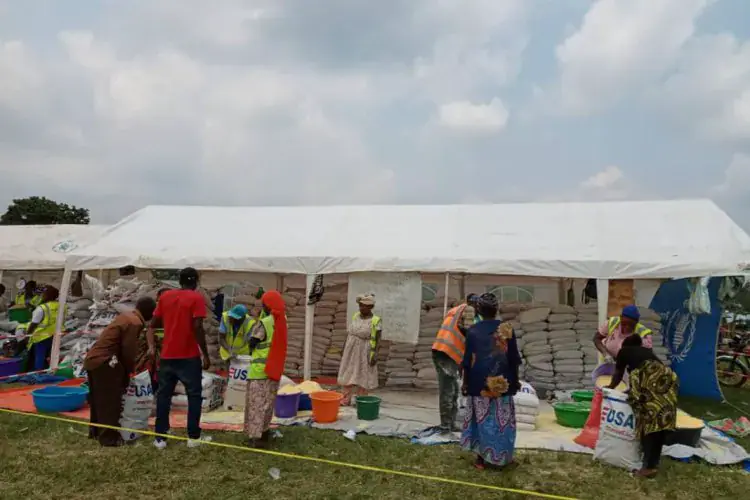
The FAO has called for increased emergency food assistance and support for agricultural and livestock activities in the most affected areas. The organization specifically recommended prioritizing the regions of Irumu and Aru in Ituri, Masisi and Rutshuru in North Kivu, and Kalehe in South Kivu. The goal is to mitigate the impact of the crisis on food security and support the affected populations in recovering their livelihoods.
The crisis in eastern DRC has been ongoing for years, with various factors contributing to food insecurity, including conflict, displacement, and natural disasters. The Ebola outbreak and insecurity have added to the complexity of the situation, requiring a comprehensive response from humanitarian organizations and the government. The FAO's report emphasizes the need for urgent action to address the food crisis and prevent further deterioration of the situation.
The situation in eastern DRC remains volatile, with the risk of further escalation of the crisis. The FAO's report highlights the need for sustained support to affected communities, including emergency food assistance, agricultural support, and protection of vulnerable populations. The international community has been urged to provide assistance to address the crisis and support the recovery of affected communities.
The DRC has been facing multiple challenges, including the Ebola outbreak, insecurity, and food insecurity, which have had a devastating impact on the population. The FAO's report provides a critical analysis of the situation, highlighting the need for a coordinated response to address the crisis. The organization has emphasized the importance of supporting affected communities and promoting sustainable agricultural practices to improve food security in the region.
Key points
- The Ebola outbreak and insecurity in eastern DRC have worsened the food shortage, affecting agriculture and livestock in the region.
Reporting sources
- Icyorezo cya Ebola n’umutekano muke byakajije ikibazo cy’ibura... · Isango star Radio