Kenya has confirmed its first imported case of Bundibugyo Ebola virus disease, prompting health officials to emphasize the importance of strict preventive measures to curb the spread of the disease. Ebola is a severe and often fatal disease with an average case fatality rate of about 50%. The case was confirmed on October 6, 2026, and authorities are working to prevent further transmission.
To reduce the risk of transmission, individuals are advised to maintain good hygiene, avoid contact with the blood and other body fluids of infected or symptomatic people, and avoid contact with wild animals and their meat. These precautions are crucial in preventing the spread of the disease, as Ebola can be transmitted through direct contact with infected bodily fluids.
Health officials stress that anyone who develops symptoms of Ebola should seek medical attention promptly. Suspected and confirmed cases should be isolated and treated in designated facilities to prevent further spread of the disease. This is critical in containing the outbreak and preventing widespread transmission.
Safe and dignified burials are also essential in preventing the transmission of Ebola. The bodies of people who have died from Ebola can remain infectious and pose a significant risk of transmission during funeral practices. Authorities are working to ensure that burial practices are conducted safely and with dignity.
The guidance on preventive measures is based on the World Health Organization's Ebola disease fact sheet. The fact sheet highlights practical measures that individuals and communities can take to reduce exposure and help contain the outbreak. By following these guidelines, individuals can play a crucial role in preventing the spread of Ebola.
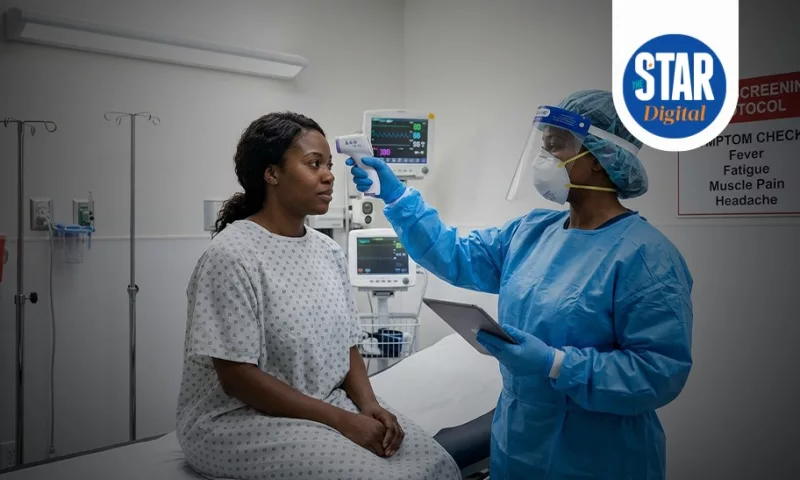
The confirmation of the Ebola case in Kenya has raised concerns about the screening processes at airports and other entry points. Health officials are working to strengthen screening measures to prevent the spread of the disease. This includes enhancing surveillance and monitoring of passengers arriving from affected areas.
The Kenyan government is working to prevent the spread of Ebola and contain the outbreak. This includes collaboration with health officials, international partners, and local communities to ensure that preventive measures are in place and that the disease is contained quickly. Key measures include enhanced surveillance, contact tracing, and isolation of suspected cases.
Key points
- Maintain good hygiene and avoid contact with infected bodily fluids to prevent Ebola transmission.
- Isolate and treat suspected and confirmed cases in designated facilities.
- Practice safe and dignified burials to prevent transmission during funeral practices.