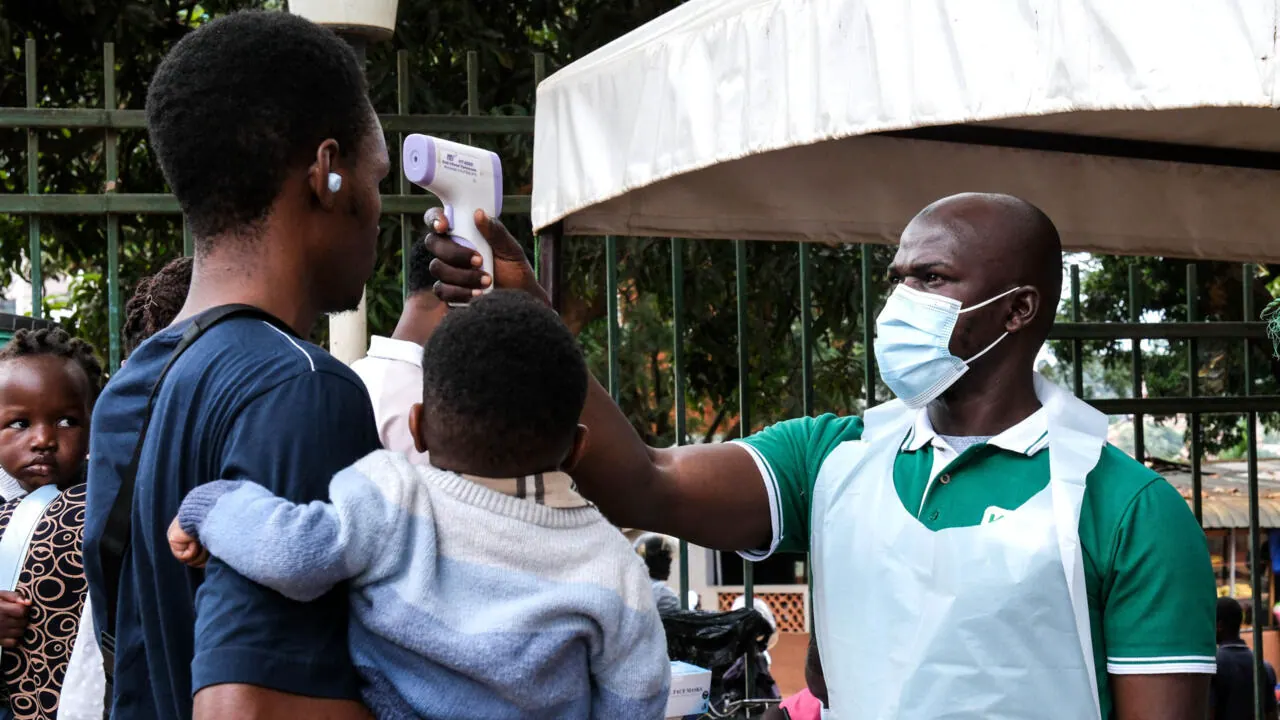
The Ebola epidemic in the Democratic Republic of Congo (DRC) has shown signs of improvement in several areas, with some zones not reporting new cases in weeks. Health authorities announced on Friday that the national death toll has exceeded 4,000. According to Health Minister Roger Kamba, the situation is improving, with fewer zones reporting new cases. This development has raised hopes that the epidemic may be coming under control.
Minister Kamba stated that the epidemic is no longer provincial but rather zonal, confined to specific health zones. Out of 63 affected zones, 12 have not reported new cases in 42 days, while eight others have had no new cases between 22 and 42 days. This reduction in affected zones is a positive sign, according to the minister. The DRC has been battling the epidemic since it was declared in May last year.
The epidemic has so far claimed 4,018 lives out of 8,300 confirmed cases in seven provinces, with a fatality rate of 48.4%. A total of 2,162 patients have been declared cured. Despite these numbers, Steve Ahuka, coordinator of the Ebola response, believes that health teams are starting to gain ground against the epidemic by anticipating and containing transmission hotspots.
However, Ahuka warned that insecurity continues to limit access to some affected areas, making it difficult to detect cases and interrupt transmission chains. This challenge is being addressed, but it remains a concern for health authorities. The DRC government and international organizations are working together to combat the epidemic.
The international medical organization Médecins sans frontières (MSF) has cautioned that the actual death toll may be higher than reported due to gaps in epidemiological surveillance and case detection. The organization emphasized the need for continued vigilance and improved reporting to accurately track the epidemic's progress.
The current epidemic, caused by the Bundibugyo Ebola virus, is the most significant and deadliest in DRC history and the second-largest globally, after the 2014-2016 outbreak in West Africa. The World Health Organization (WHO) and other international partners are providing support to the DRC government to control the epidemic.
Health authorities and international organizations are working together to address the ongoing challenges and improve the response to the epidemic. While progress has been made in some areas, the situation remains fragile, and continued efforts are needed to bring the epidemic under control and prevent further spread.
Key points
- The DRC Ebola epidemic has claimed over 4,000 lives, with a total of 8,300 confirmed cases.
- Some zones have not reported new Ebola cases in weeks, indicating improvement in those areas.
- Insecurity continues to hinder access to affected areas, complicating case detection and transmission control.