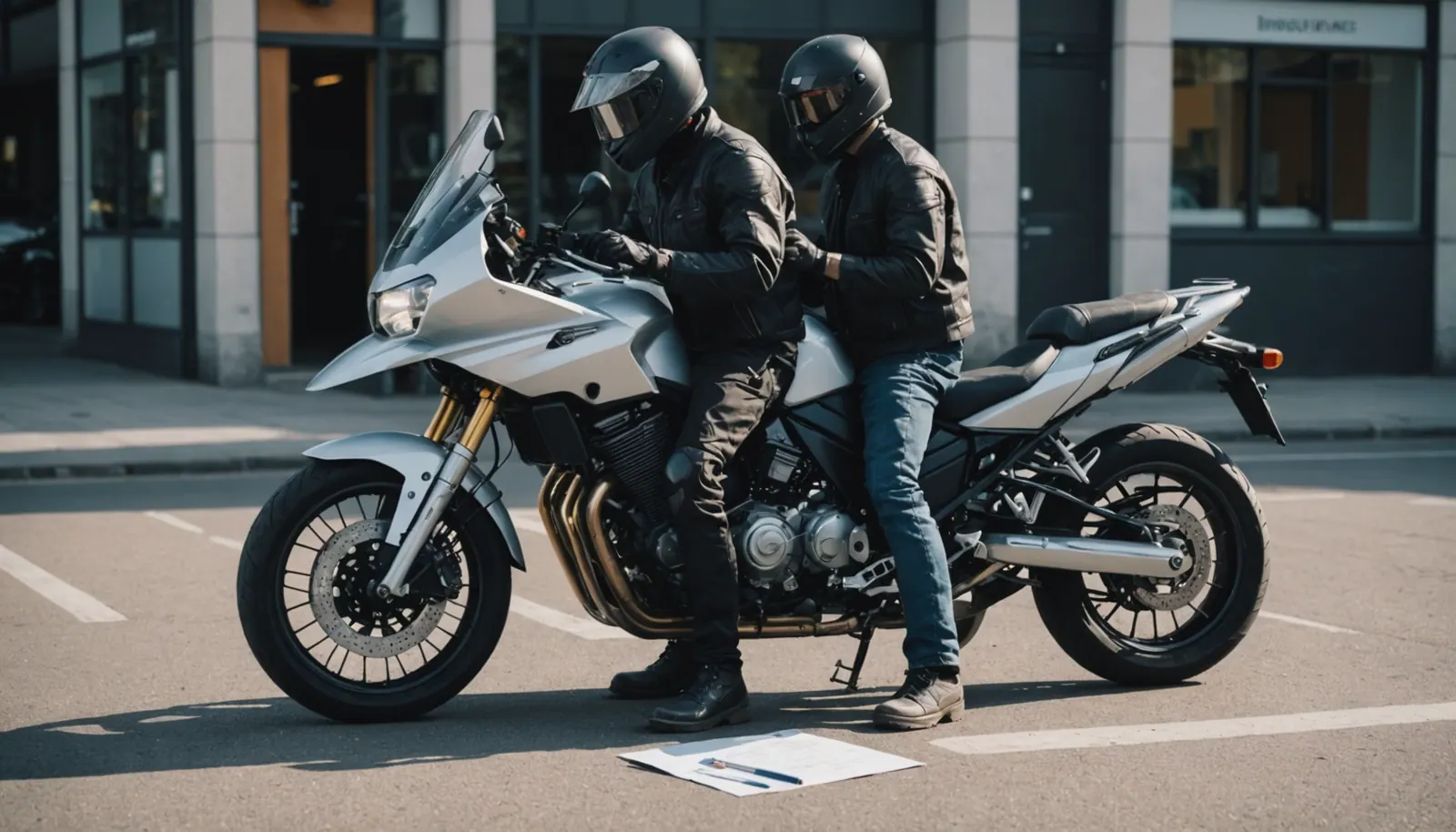
In Algeria, motorcyclists often find it difficult to distinguish between necessary and optional insurance coverage. The minimum required insurance, known as "responsabilité civile" or third-party insurance, covers damages caused to others but not to the rider or their vehicle. This type of insurance is mandatory for all motor vehicles, including motorcycles, quads, and mopeds. According to the Ministry of Economy, even if a motorcycle is not in use and stored in a garage, it must remain insured under this category until it is formally decommissioned.
Beyond the mandatory third-party insurance, insurers offer various levels of coverage, including intermediate formulas that cover theft, fire, broken glass, and natural disasters, as well as comprehensive coverage that includes damages to the motorcycle even if the rider is at fault. The choice of coverage depends on factors such as the motorcycle's value, usage, and location. For example, a high-value motorcycle used daily may justify more extensive coverage, while a low-value motorcycle used occasionally may not.
Another important consideration for motorcyclists is the bonus-malus system, which applies to motorcycles with engines over 125cc. This system rewards riders with a safe driving record by reducing their premium by 5% annually, up to a maximum reduction of 50%. Conversely, being involved in an accident can increase the premium by 25%, up to a maximum of 350%. This system is transferable between insurers if the new policy is taken out within three months of the previous policy being terminated.
When choosing an insurance policy, motorcyclists should also consider various criteria that affect premium calculations, such as engine size, power, rider's license age, parking location, and annual mileage. Additionally, riders who use their motorcycles in low-emission zones may need to adapt their vehicle and reassess its insured value. Many insurers and comparison websites offer detailed quotes and enable policyholders to compare different levels of coverage.
Motorcyclists should be aware of common mistakes that can be costly, such as under-declaring annual mileage or usage, failing to declare valuable equipment or accessories, and neglecting to compare franchise amounts. Furthermore, riders should prioritize safety training, as this can positively impact their riding behavior and, in turn, their insurance risk. According to the National Interministerial Observatory for Road Safety, 495 people died riding motorcycles or scooters with engines over 125cc in 2024.
In light of these statistics, it is essential for motorcyclists to carefully evaluate their insurance options and prioritize coverage that protects them in the event of an accident. This includes considering optional coverage, such as rider protection, equipment coverage, and roadside assistance. By taking the time to understand their insurance needs and options, motorcyclists can ensure they have adequate protection and avoid potential financial pitfalls.
To make informed decisions, motorcyclists can consult resources from reputable organizations, such as the Ministry of Economy and France Assureurs. By doing so, they can ensure they have the necessary coverage to ride safely and confidently. Ultimately, choosing the right insurance coverage requires careful consideration of individual circumstances and needs.
Key points
- Motorcyclists must prioritize safety training to positively impact their riding behavior and insurance risk.
- The bonus-malus system rewards safe riders with reduced premiums and penalizes those involved in accidents.
- Motorcyclists should carefully evaluate their insurance options to ensure adequate protection.