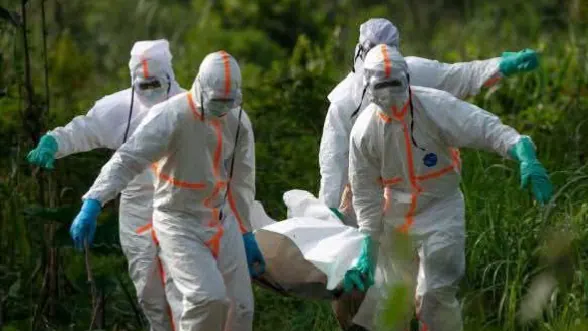
The Ebola epidemic in the Democratic Republic of Congo (DRC) presents a mixed picture, with government officials expressing optimism about a slowdown in cases, while Médecins sans Frontières (MSF) cautions against complacency. According to MSF, the fight to contain the virus is far from over, despite some encouraging signs such as declining admissions in certain Ebola treatment centers and slowing transmission in specific areas.
The DRC government notes a decline in daily cases from around 120 at the peak in mid-August to approximately 80, with several health zones reporting no new cases in recent days. However, MSF emphasizes that these indicators do not necessarily signify a national decline in the epidemic. The organization highlights the emergence of new hotspots, including the Sud-Ubangi province, which has become the seventh province affected, and the Nord-Kivu province, which now accounts for nearly half of new confirmed cases.
MSF's coordinator of emergencies, Anthony Kergosien, stresses that a decline in admissions in certain treatment centers does not mean the epidemic is under control. The virus appears to be shifting terrain, with transmission slowing in some areas, such as Ituri, but increasing in others. This mobility complicates the response efforts, particularly when the virus reaches areas with limited healthcare capacities.
The epidemic has already surpassed 7,200 confirmed cases and 3,500 deaths, according to the World Health Organization (WHO). MSF estimates that the actual toll may be higher due to gaps in surveillance and case detection. These numbers underscore the risks of complacency, and MSF is mobilizing rapid response teams to enhance detection, patient care, contact tracing, and epidemiological surveillance.
Despite these efforts, the response faces challenges in certain areas, such as Bambu, where healthcare structures are under strain due to staff shortages, underfunding, and limited patient referral capacities. The arrival of new cases can quickly overwhelm these fragile systems. The government's optimism about a slowdown must be considered in light of these contradictory signals.
The WHO has acknowledged progress in the response but emphasizes that the epidemic remains a serious threat, and control efforts are far from complete. MSF remains at the forefront of the battle against Ebola, with teams working to interrupt transmission chains before they spread. The organization is committed to supporting affected communities and preventing further outbreaks.
As the situation continues to evolve, health authorities and the international community must remain vigilant to prevent new hotspots from emerging. The DRC's experience with Ebola highlights the need for sustained efforts to strengthen healthcare systems, enhance surveillance, and improve response capacities. The fight against Ebola is far from over, and continued cooperation and support are essential to bringing the epidemic under control.
Key points
- MSF warns against complacency in Ebola response
- DRC government reports decline in daily cases
- Epidemic has surpassed 7,200 confirmed cases and 3,500 deaths