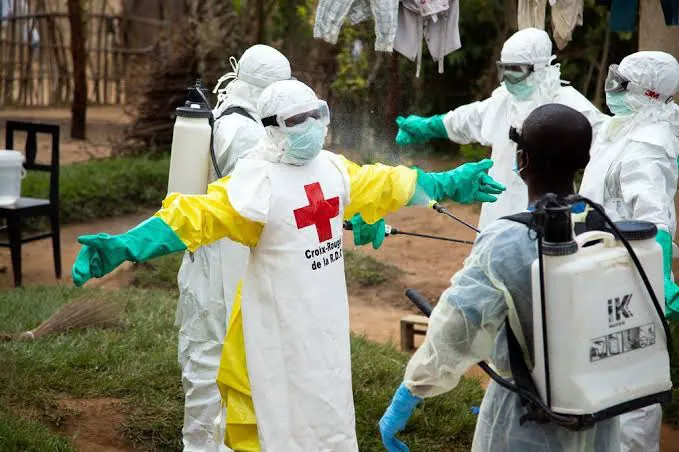
The Ebola epidemic in the Democratic Republic of Congo (DRC) has claimed 3,676 lives, with 7,614 confirmed cases reported as of September 19, 2026, according to the Presidential Task Force on Ebola. Despite reports of a slowdown in the Ituri province, Médecins Sans Frontières (MSF) has warned against premature optimism, citing the ongoing spread of the virus to new areas, including the North Kivu province. The organization emphasizes that the situation remains fragile and requires sustained attention.
MSF has expressed concerns that the decline in certain indicators in historical hotspots does not necessarily translate to a reduction in transmission at the national level. The organization notes that new cases continue to emerge in territories with limited healthcare infrastructure and response capabilities, complicating efforts to detect and contain the outbreak. Anthony Kergosien, MSF's emergency coordinator in Bunia, Ituri, highlighted that while the situation appears to be slowing down in Ituri, the national number of new cases has not decreased.
The North Kivu province has become a major concern, accounting for nearly half of the new confirmed cases, with a significant increase in the positivity rate observed in recent days. MSF attributes this to the movement of the virus to new areas with limited preparedness and response capacities, posing a significant risk to epidemic control. The organization stresses that the virus is not receding but rather moving to new areas, with the Sud-Ubangi becoming the seventh province affected.
The DRC government and health teams have reported a slowdown in Ituri, but MSF cautions that this should not be interpreted as a sign of the epidemic being under control. The organization emphasizes that the situation requires continued vigilance and strengthened national and international mobilization, particularly from the World Health Organization (WHO), to prevent the establishment of new transmission chains.
MSF notes that one of the main obstacles to controlling the epidemic is the persistent inadequacy of response mechanisms. In some historical hotspots, surveillance and care systems are not yet sufficiently consolidated, allowing the disease to continue circulating. The organization stresses that a decline in patient admissions should not be considered in isolation but rather in the context of detection capacities, contact tracing, and the evolution of cases in different health zones.
The spread of the epidemic to new provinces, including Sud-Ubangi, underscores the need for adaptable strategies and enhanced response capabilities beyond the initial epicenters. MSF and other health actors must address the challenges posed by limited resources, infrastructure, and access to healthcare in these areas. The organization calls for sustained efforts to strengthen surveillance systems, particularly in regions where populations face barriers to accessing care.
As the epidemic continues to evolve, the DRC government and international partners face the daunting task of containing existing hotspots while preventing new transmission centers from emerging. The situation demands continued attention, coordination, and resource mobilization to support the response efforts and ultimately bring the epidemic under control. The next steps will be crucial in determining the course of the epidemic and the effectiveness of the response.
Key points
- MSF warns against premature optimism over Ebola epidemic in DRC, citing ongoing spread to new provinces.
- The North Kivu province has become a major concern, accounting for nearly half of the new confirmed cases.
- MSF calls for strengthened national and international mobilization to prevent the establishment of new transmission chains.