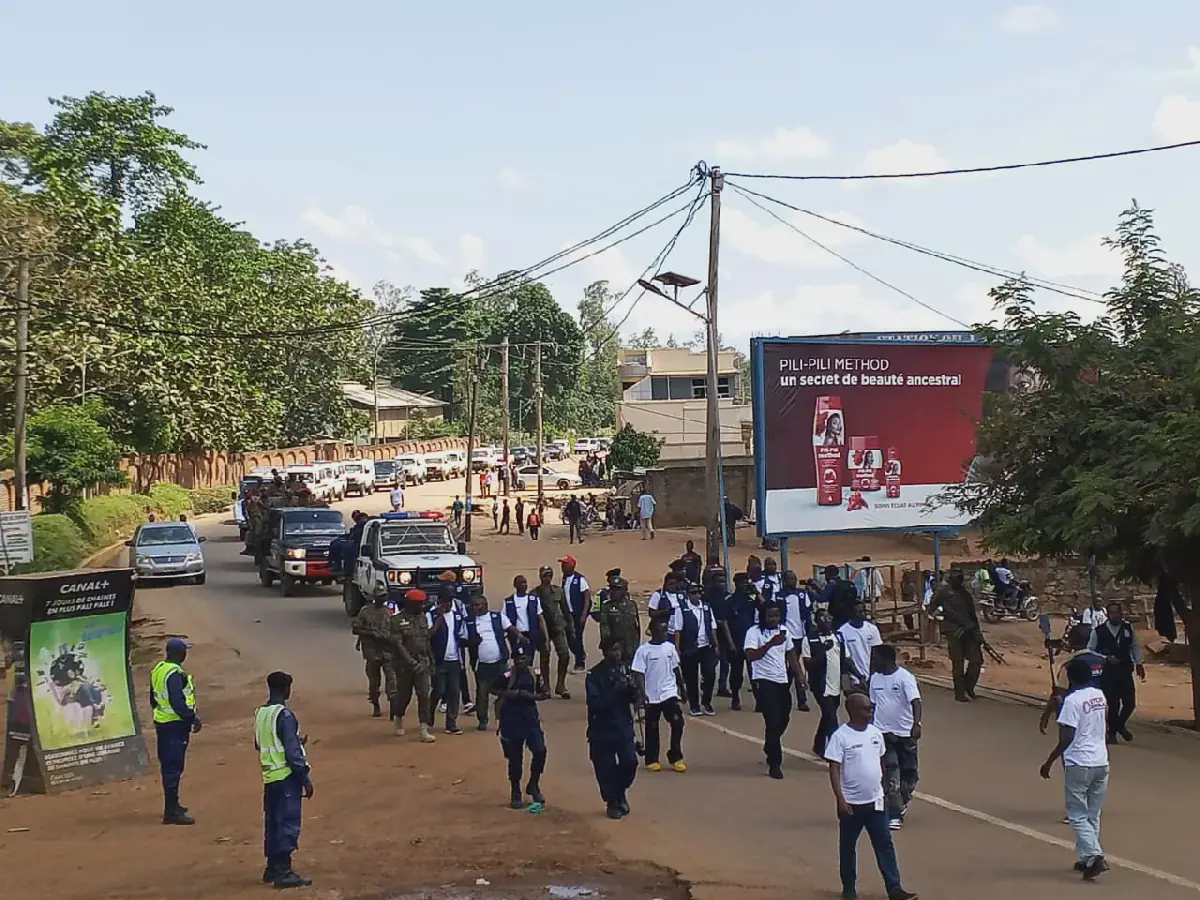
The Ebola epidemic in the Democratic Republic of Congo has killed over 5,400 people since its outbreak six months ago, with more than 11,000 people infected. The crisis has been worsened by violence, which has hindered the response efforts of health teams and led to the displacement of populations, exacerbating a considerable food crisis. The World Health Organization (WHO) has reported progress in the fight against the virus but warned that the insecurity threatens to compromise these gains.
The WHO has verified over 80 attacks on health services in the past six months, disrupting epidemiological surveillance, interrupting treatments, and forcing people to flee. The conflict has made it extremely difficult to track people who have come into contact with Ebola patients, particularly in areas where the Allied Democratic Forces (ADF), an armed group affiliated with the Islamic State, are active. The violence has killed more people than Ebola in recent days, according to Julien Harneis, special coordinator for Ebola.
A joint statement by the World Food Programme (WFP), the Food and Agriculture Organization (FAO), UNICEF, and the WHO warns that 30.3 million Congolese people may face acute food insecurity between January and June 2027, up from 26.5 million during the same period in 2026. Over 4 million people are at risk of reaching emergency levels, characterized by severe food deprivation and increased risk of malnutrition and mortality. The crisis is most pressing in the eastern provinces of North Kivu, South Kivu, and Ituri.
The conflict is the primary driver of the food crisis, displacing families from their land, disrupting harvests, and disorganizing markets. The Ebola epidemic has further exacerbated the situation by disrupting agricultural activities, limiting movement, and increasing household expenses. Malnutrition and limited access to healthcare, clean water, and sanitation have made people more vulnerable to diseases. The four agencies have called for urgent funding and unhindered humanitarian access to address the crisis.
The FAO has emphasized the need to provide seeds and tools to farmers before the 2027 planting season to prevent the loss of another agricultural season. However, humanitarian organizations are struggling to meet the scale of needs, and insecurity is complicating the delivery of food and healthcare in Ebola-affected areas. The crisis has highlighted the need for a coordinated response to address the interconnected issues of conflict, Ebola, and food insecurity.
The situation is critical, with the next agricultural season approaching. If urgent action is not taken, the crisis could worsen, leading to increased hunger and malnutrition. The humanitarian community is working to ensure safe and sustainable access to affected populations, but the challenges are significant. The WHO's Chikwe Ihekweazu has warned that while progress has been made in controlling the Ebola outbreak, it is fragile and could be reversed if security concerns are not addressed.
The crisis in DR Congo requires a sustained and coordinated response to address the complex issues of conflict, Ebola, and food insecurity. The humanitarian community is calling for increased support to address the urgent needs of affected populations. Key Points: Over 30 million people face acute food insecurity in DR Congo; the Ebola epidemic has killed over 5,400 people; conflict is the primary driver of the food crisis.
Key points
- Over 30 million people face acute food insecurity in DR Congo
- The Ebola epidemic has killed over 5,400 people
- Conflict is the primary driver of the food crisis