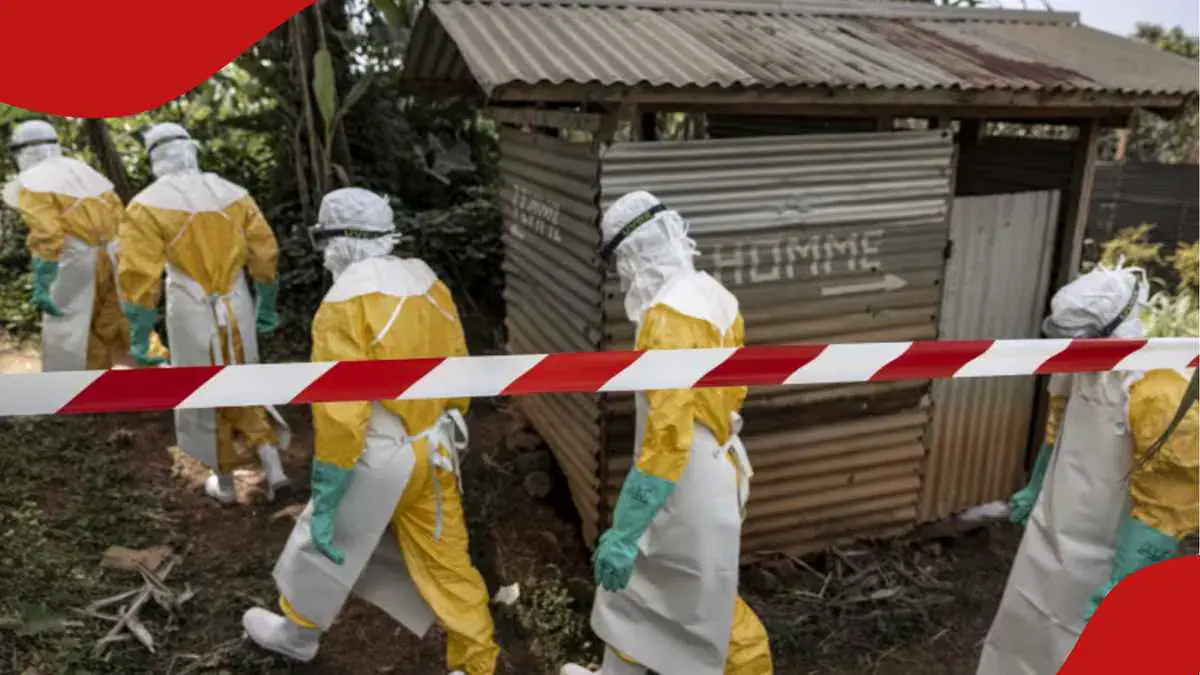
The Ebola outbreak in the Democratic Republic of Congo has claimed over 5,000 lives, according to government data released on Friday. The Congolese Ministry of Health reported 5,026 confirmed deaths from a total of 10,351 infections, representing a lethality rate of nearly 50%. The outbreak, declared in May, has shown no signs of slowing, raising serious doubts about the capacity of health authorities to bring it under control.
The virus responsible for the outbreak is the Bundibugyo strain, a rare variant for which no approved treatments or vaccines currently exist. This has made containment far more difficult than in previous outbreaks. The virus has now reached eight of the DRC's 26 provinces, with delayed case detection, ongoing armed conflict, and severely overstretched health infrastructure collectively contributing to the rapid acceleration of infections since May.
The international community has expressed concern over the outbreak, with several governments moving to limit movement from Ebola-affected countries. Saudi Arabia announced on Friday that it was suspending travel to and from Kenya, citing the regional spread of the virus. The restrictions prevent Saudi citizens from travelling to Kenya and halt the issuance of all visa categories to Kenyan nationals.
The Saudi Arabia restrictions also bar entry to anyone arriving from Kenya, including travellers transiting through third countries who have spent time in Kenya or other Ebola-affected nations within the past 21 days. The announcement was made through the Saudi Press Agency. This move is likely to have significant implications for travellers and the economies of the affected countries.
The Kenyan government has condemned Saudi Arabia's Ebola response, describing the travel restrictions as unjustified. The move has sparked concerns about the potential economic and social impacts on Kenya and other affected countries. The international community is closely monitoring the situation, with many governments and health organizations working to support the DRC's efforts to contain the outbreak.
The Ebola outbreak in the DRC has highlighted the need for improved global coordination and cooperation in responding to public health crises. The World Health Organization and other international health authorities have been working closely with the DRC government to support the response efforts. Despite these efforts, the outbreak remains a significant challenge, with many factors contributing to its persistence.
As the situation continues to evolve, governments and health organizations are urging calm and cooperation. The public is being advised to take precautions to minimize the risk of transmission, including avoiding close contact with people who are sick and following proper hygiene practices. The international community remains committed to supporting the response efforts and containing the outbreak.
Key points
- The Ebola outbreak in the DRC has claimed over 5,000 lives, with the Bundibugyo strain driving the crisis.
- Saudi Arabia has suspended travel to and from Kenya, citing the regional spread of the virus.
- The international community is working to support the DRC's efforts to contain the outbreak, with many governments and health organizations providing assistance.