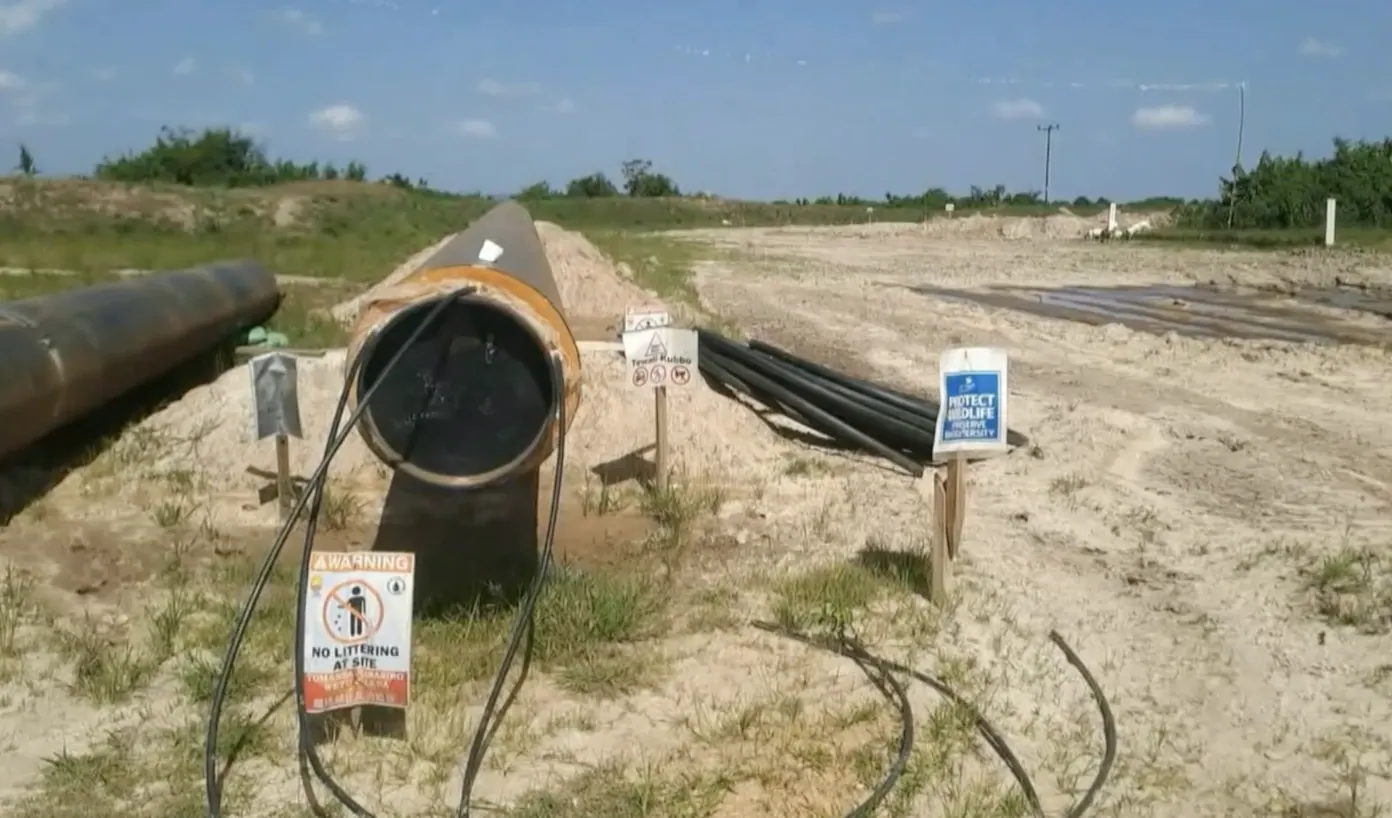
Residents affected by the East African Crude Oil Pipeline (EACOP) project in Kakuuto County, Uganda, are renewing calls for compensation for land acquired for the project. Many claim they have waited years to receive payment, while others have rejected the amounts offered, arguing that the compensation does not reflect the value of their land. This has led to outstanding disputes between the affected residents and the government.
The EACOP project has significantly impacted the lives of residents in Kakuuto County, with many families struggling to rebuild their livelihoods due to the delays in compensation. The residents are now urging the government to intervene and resolve the disputes, ensuring fair compensation for their land. The situation has caused concern among local communities, who are eager to see a resolution to the issue.
According to reports, some affected residents have received inadequate compensation, which they claim does not cover the value of their land or the impact on their livelihoods. This has led to frustration and disappointment among the affected communities, who feel that their rights have not been respected. The government has been urged to review the compensation process and ensure that it is fair and transparent.
The EACOP project is a significant infrastructure development in the region, aimed at transporting crude oil from Uganda to the international market. However, the project's implementation has been marred by concerns over environmental impact, land rights, and compensation for affected communities. The government has been working to address these concerns, but the process has been slow, leading to ongoing disputes.
The affected residents have expressed concerns about the impact of the project on their health, land rights, and overall well-being. They are calling for a comprehensive assessment of the project's impact and for measures to be put in place to mitigate any negative effects. The government has been urged to prioritize the needs and rights of the affected communities.
The situation in Kakuuto County highlights the challenges of balancing development projects with the rights and needs of local communities. The government and project implementers must ensure that the concerns of affected residents are addressed, and that fair compensation is provided for land acquired. This will help to build trust and ensure that the project benefits both the local communities and the broader economy.
The EACOP project has significant economic implications for Uganda, with the potential to boost the country's economy through increased revenue and job creation. However, the project's success depends on addressing the concerns of affected communities and ensuring that their rights are respected. The government and project implementers must work together to find a solution to the compensation disputes and ensure that the project is implemented in a responsible and sustainable manner.
Key points
- EACOP-affected residents in Kakuuto County demand fair compensation for land acquired.
- Delays in compensation have left many families unable to rebuild their livelihoods.
- The government has been urged to intervene and resolve the outstanding disputes.