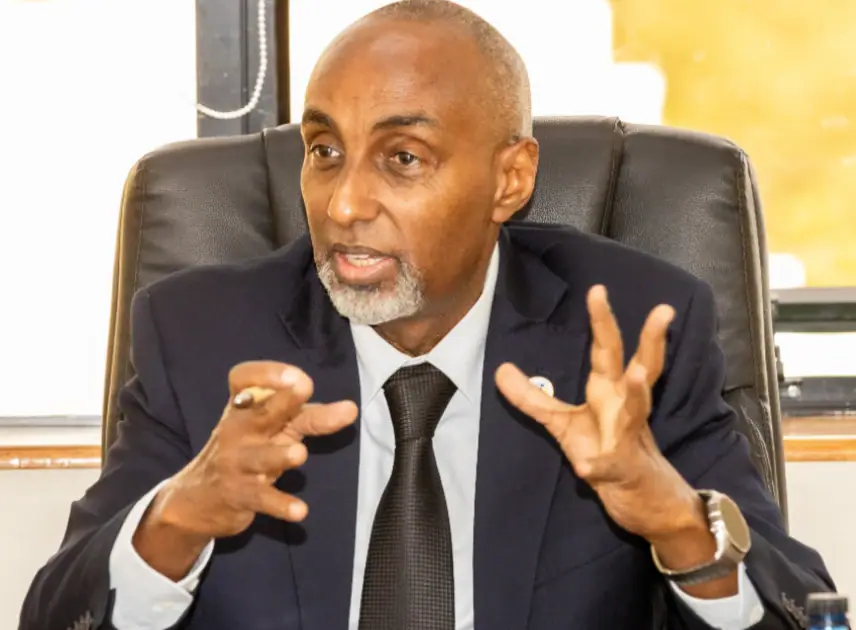
The Ethics and Anti-Corruption Commission (EACC) in Kenya is pushing for urgent passage of the Anti-Corruption Laws Amendment Bill, 2024, to give it direct prosecution powers. The commission says legal restrictions on its prosecution powers are undermining the fight against high-level graft. EACC CEO Abdi Ahmed Mohamud stated that the commission's investigations are thorough before files are forwarded to the Office of the Director of Public Prosecutions (ODPP), but some files are returned, creating fresh hurdles in the prosecution process.
The Senate Standing Committee on National Cohesion, Equal Opportunity and Regional Integration recently questioned EACC on its record in tackling high-level corruption. Makueni Senator Dan Maanzo asked why few senior officials have been prosecuted, while low-level suspects are more frequently targeted. Mohamud defended the commission's record, insisting that it has investigated senior government officials, including Governors, with some already facing court proceedings.
EACC accuses the ODPP of returning investigation files, even after completing investigations. Deputy Director David Kaboro stated that the commission conducts an independent analysis of the evidence through its independent lawyers before submitting files to the ODPP. However, the ODPP returns some files, citing incomplete or weak evidence. DPP Renson Ingonga previously defended the return of investigation files, saying they are sent back to EACC for further investigations, not closed.
The Senate committee turned the spotlight on the ODPP, challenging EACC to explain why it had not taken action against the prosecution office it accuses of blocking its efforts. Senator Maanzo suggested that EACC should investigate and prosecute the DPP if it feels blocked. EACC insists that acquiring prosecution powers is the way forward and wants the Anti-Corruption Laws Amendment Bill, 2024, passed to remove its reliance on the ODPP.
Despite criticism, EACC says it has investigated many senior officials across the republic, and other investigations are ongoing. Mohamud promised to release details of the cases. The commission also revealed that it is seeking a Ksh.40.3M refund from an ex-KeRRA deputy director over a forged degree.
The proposed Anti-Corruption Laws Amendment Bill, 2024, remains stalled, with EACC Deputy Director Kaboro stating that it has been relooked at, but its current status is unknown. The bill aims to address challenges facing EACC, including the need for direct prosecution powers.
The issue of corruption in Kenya continues to be a major concern, with the EACC facing criticism for its perceived ineffectiveness in tackling high-level graft. The commission's push for direct prosecution powers is seen as a move to strengthen its fight against corruption. Key points include EACC's need for direct prosecution powers, the ODPP's role in frustrating graft cases, and the proposed Anti-Corruption Laws Amendment Bill, 2024.
Key points
- EACC seeks direct prosecution powers to effectively tackle high-level graft.
- ODPP accused of frustrating graft cases by returning investigation files.
- Proposed Anti-Corruption Laws Amendment Bill, 2024, aims to address EACC's challenges.