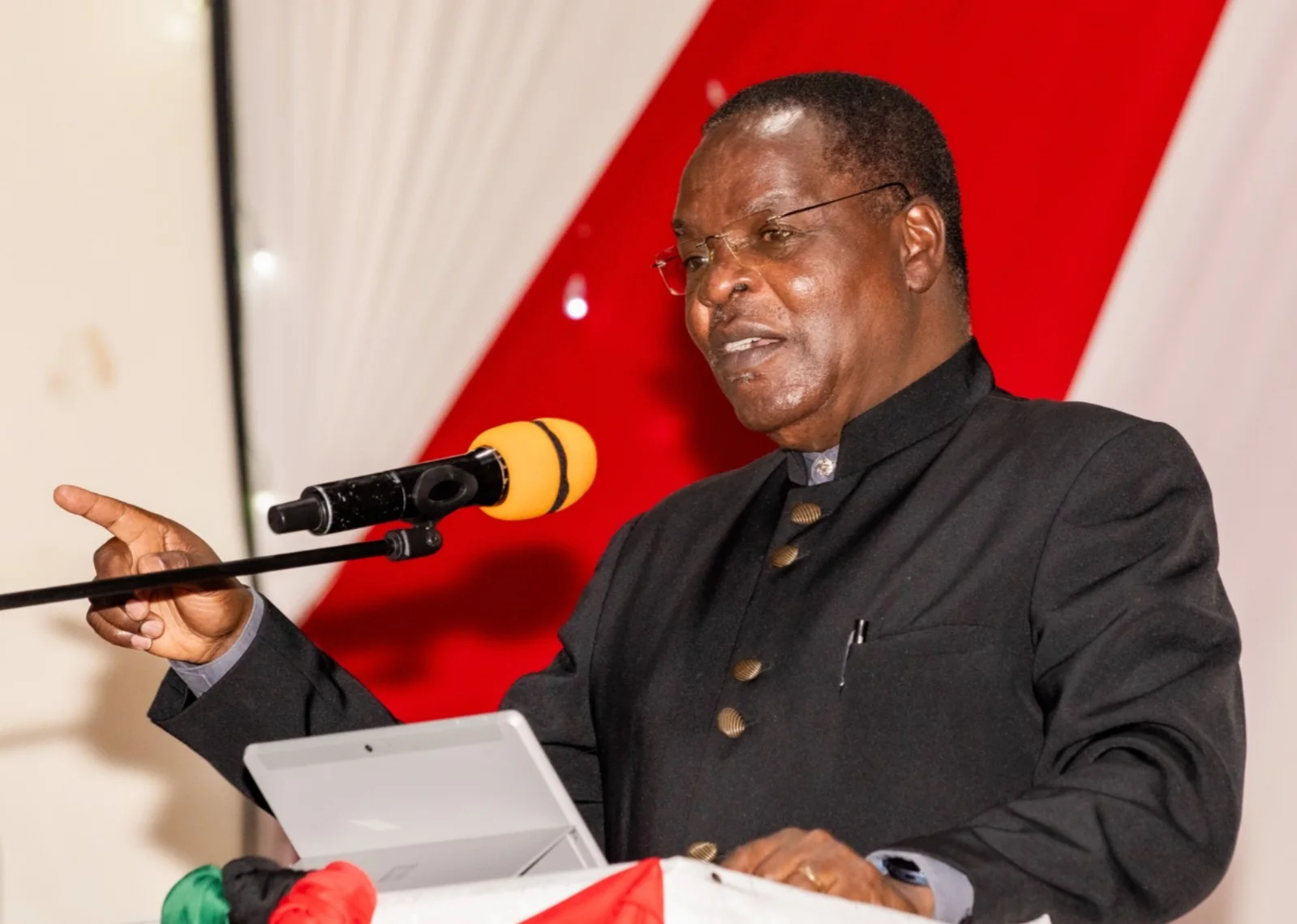
Kenyans could be getting better hospitals, roads, schools, and public projects if government resources were protected from corruption, Ethics and Anti-Corruption Commission (EACC) Chairperson David Oginde has said. Speaking in Kajiado County, Oginde called on public officers to put citizens' interests ahead of personal benefit. He emphasized that the effects of corruption are felt in everyday life, from patients struggling to find medicine in hospitals to motorists using poor roads and communities waiting for incomplete public projects.
Oginde urged Kenyans to reject bribery and stop shielding officials involved in corrupt practices, even when the suspects are members of their families or people they know. He described those who take bribes as enemies of the people, saying they are the ones taking away resources meant for citizens. Oginde emphasized that corruption has a direct effect on the quality of services delivered to citizens, pointing to shortages of medicine, poor roads, inadequate schools, and unfinished government projects.
The EACC chairperson said money intended for public development is sometimes channeled into private hands, allowing individuals to acquire expensive homes, hotels, and luxury vehicles from funds obtained through corruption. He noted that corruption affects communities in ways they may not understand, citing the poor state of roads, schools, and hospitals. Oginde also challenged government employees to remember their responsibility to serve the people and remain faithful to the oath they take when appointed or elected.
Oginde has recently raised concerns over the use of illicit money in politics as Kenya prepares for the 2027 General Election. On September 3, he urged religious leaders to reject money obtained through illegal means and refrain from giving legitimacy to illicit funds. Speaking at the National Stakeholders' Convention in Nairobi, Oginde warned that illicit wealth could affect voters' choices and give financially powerful candidates an advantage during campaigns.
According to Oginde, politicians who rely on proceeds of corruption, money laundering, and unexplained wealth to finance their campaigns could later face pressure to reward those who funded them. He cited examples of rewards, including inflated tenders, interference with procurement processes, and other corrupt government arrangements. Oginde emphasized that there is no way to build a society of integrity if people are beneficiaries of illicit resources.
Oginde spoke to delegates on the topic, "Corruption and Politics in Kenya: How Illicit Money Drives Democracy and Viable Mitigations." He said candidates should seek votes based on their leadership, values, and principles rather than the amount of money they can deploy during an election campaign. By doing so, Oginde believes that Kenyans can promote a culture of integrity and accountability in politics.
The EACC chairperson's remarks come as part of a broader effort to promote ethics, integrity, and good governance in Kenya. His visit to Kajiado County was part of a series of engagements with county governments to discuss ways to prevent corruption and promote accountability. Key to this effort is the need for public officers to prioritize citizens' interests and for Kenyans to reject bribery and corrupt practices.
Key points
- Corruption affects the quality of services delivered to citizens, including shortages of medicine, poor roads, inadequate schools, and unfinished government projects.
- Politicians who rely on illicit funds to finance their campaigns may face pressure to reward their funders through corrupt government arrangements.
- EACC Chairperson David Oginde is urging Kenyans to promote a culture of integrity and accountability in politics by rejecting bribery and corrupt practices.