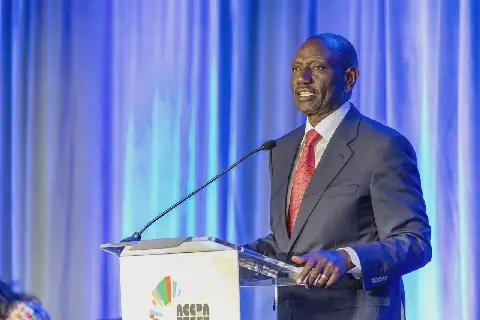
The East African Community (EAC) member states have gathered in Dar es Salaam to discuss strategies for addressing challenges and barriers hindering intra-EAC trade, particularly Non-Tariff Barriers (NTBs). This meeting is being held in implementation of directives issued during the 25th EAC Heads of State Summit, held in Arusha on March 7, 2026. The summit had directed Partner States to take urgent measures to eliminate all reported non-tariff barriers to trade within the Community by June 30, 2026.
The meeting will review progress in implementing directives from the Second Special Meeting of the Sectoral Council on Finance and Economic Affairs (SCFEA), held on November 25, 2025. The SCFEA meeting had directed EAC Partner States to eliminate duties, fees, charges, and domestic taxes that discriminate against products from other Partner States, in violation of Articles 10 and 15 of the EAC Customs Union Protocol, by June 30, 2026. Partner States were also directed to review the interpretation of certain terms in their domestic legislation to ensure consistency with EAC agreements.
Key items on the meeting’s agenda include an assessment of the performance of One Stop Border Posts (OSBPs), the Action Plan for Addressing Issues Affecting Trade within the Community, and the implementation matrix for the action plan. The meeting will also review the EAC Non-Tariff Barriers Index, a tool used to monitor, identify, and measure measures taken by Partner States to address barriers affecting trade across East Africa.
The EAC member states aim to strengthen the implementation of the EAC Common Market, which seeks to facilitate the movement of goods, persons, services, and capital, as well as the right of establishment and operation of businesses across Partner States. The removal of non-tariff barriers and the simplification of border procedures are expected to reduce the cost and time of conducting business, enhance competitiveness, and boost intra-EAC trade.
The meeting brings together representatives from EAC Partner States to share experiences, best practices, and challenges in implementing the directives. The EAC Secretariat will provide technical support and guidance to ensure the effective implementation of the agreed-upon measures. The outcome of the meeting is expected to contribute to the overall goal of promoting economic integration and cooperation among EAC member states.
The EAC Common Market, which was launched in 2010, aims to create a single market for goods, services, and capital among its member states. The Common Market Protocol seeks to eliminate tariffs and non-tariff barriers to trade, as well as promote the free movement of goods, services, and people. The protocol also provides for the establishment of a single customs union and a common external tariff.
The successful implementation of the agreed-upon measures is expected to have a positive impact on intra-EAC trade, economic growth, and development. The EAC member states are committed to working together to address the challenges and barriers hindering intra-EAC trade and to promote economic integration and cooperation.
Key points
- EAC member states aim to eliminate non-tariff barriers to trade within the Community by June 30, 2026.