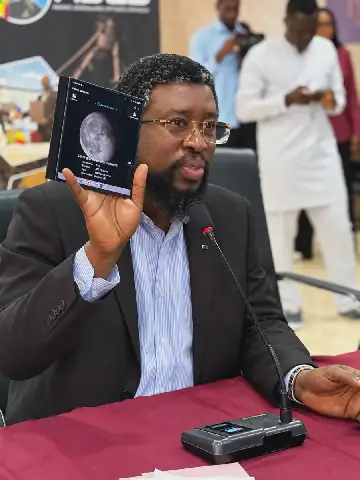
East African Legislative Assembly (EALA) member Suleiman Shahbal has called for significant reforms to the East African Community (EAC), warning that regional political rivalries and delays in the legislative process risk undermining integration and wasting taxpayers' money. As the chair of the Kenyan delegation of EALA members, Shahbal expressed frustration with his experience in the regional parliament, citing disagreements among partner states and disruptions to parliamentary proceedings. He emphasized the need for changes to the community's structure and operations to ensure effective decision-making.
Shahbal raised concerns about the expansion of the community from its original three members to eight partner states, which has made it challenging to reach consensus on regional matters. He claimed that disagreements between member states sometimes disrupt parliamentary business, with some legislators leaving proceedings and affecting quorum. This has resulted in delayed or blocked legislation, including the East African Standards Bill, which has been pending for seven years, and a bill concerning persons living with disabilities, which has been stuck for a decade.
The EALA member argued that national differences should not be allowed to derail the community's shared economic and political ambitions. He stressed that the community cannot be held hostage by differences between two or three countries and that common ground must be found. Shahbal also questioned the financial commitments of partner states, claiming that some have failed to contribute their share while Kenya bears much of the financial burden.
Under the EAC Treaty, bills passed by EALA are submitted to the Heads of State for assent. However, the treaty provides for a bill that has not received assent within three months to be referred back to the Assembly with reasons for reconsideration. Shahbal argued that the decision-making framework needs to be reviewed to prevent national disagreements from frustrating regional legislative business.
Shahbal revealed that he has raised his concerns with President William Ruto and his Ugandan counterpart Yoweri Museveni, urging them to support changes to the community's structure and operations. He also called on legislators from partner states to take the reform debate to their respective national parliaments and build support for changes at the regional level.
The EAC comprises eight partner states: Burundi, the Democratic Republic of the Congo, Kenya, Rwanda, Somalia, South Sudan, Uganda, and Tanzania. The community seeks to deepen economic, political, and social cooperation among its members, with EALA serving as its legislative organ. Shahbal maintained that reforms are necessary to ensure the regional bloc can deliver on its objectives rather than allow political differences to impede progress.
The EAC is facing significant challenges, including arrears of $125 million, which eclipses the bloc's annual budget. Shahbal's remarks raise questions about the effectiveness of regional decision-making, the status of the bills he cited, and the financial obligations of partner states. He emphasized that the objective should be to establish a more effective community capable of advancing economic cooperation and political integration among member states.
Key points
- EAC member Suleiman Shahbal calls for sweeping reforms to address regional challenges.
- Delays in legislation and financial woes hinder the community's effectiveness.
- Shahbal urges legislators to take the reform debate to their national parliaments.