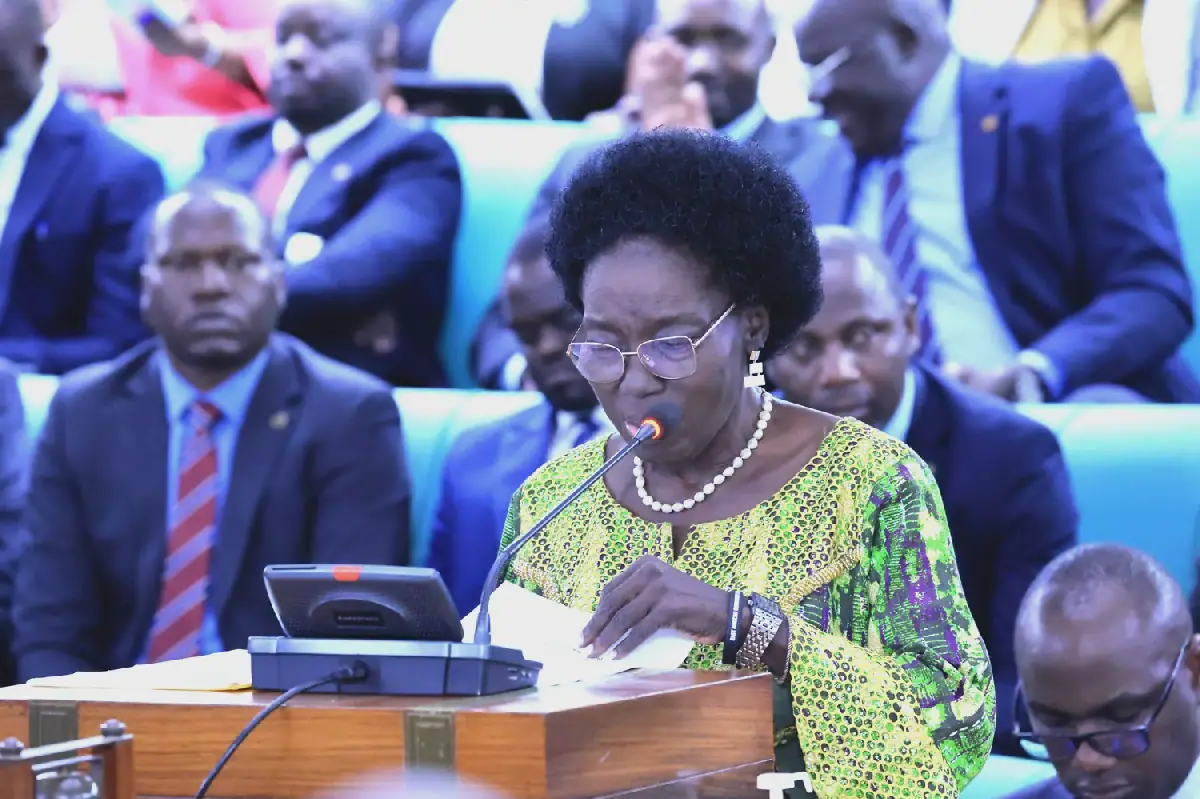
The East African Community is developing an integrated payment and settlement system to reduce member states' dependence on the US dollar in cross-border transactions. The system, known as the East African Payment System, aims to boost regional trade and lower the cost of doing business. First Deputy Prime Minister and Minister for East African Community Affairs, Rebecca Kadaga, presented a statement on the implementation of the system to parliament.
The proposed system will establish a regional payment network, allowing individuals and businesses to transfer money securely and affordably between member states. The network will use bank accounts, mobile money wallets, and other authorised digital payment channels. Currently, the system connects the national Real-Time Gross Settlement systems of Uganda, Kenya, Tanzania, and Rwanda. This allows commercial banks to conduct cross-border transactions and settle payments in regional currencies.
However, not all EAC member states are fully integrated into the platform. Burundi, South Sudan, the Democratic Republic of Congo, and Somalia are yet to be fully integrated, limiting the system's coverage. To address these gaps, the EAC adopted the Cross-Border Payment System Masterplan in 2025. The plan provides for the expansion and modernisation of the EAPS and harmonisation of payment-service-provider licensing and regulation.
The masterplan also aims to increase the use of partner states' currencies in regional transactions. Kadaga called on the Ministry of Finance, Planning and Economic Development, Bank of Uganda, commercial banks, mobile network operators, and fintech companies to work together to ensure effective implementation. She also urged Parliament to support the harmonisation of Uganda's payment-system laws with EAC frameworks.
The Shadow Minister for EAC Affairs, Hakim Kizza, welcomed the initiative but raised concerns about the availability of regional currencies. Despite efforts to promote local currency settlements, traders still rely on the US dollar due to shortages of regional currencies at commercial bank level. Kizza called for the establishment of a central bank-backed liquidity facility to ensure commercial banks have sufficient supplies of regional currencies.
The East African Payment System is expected to deepen intra-EAC trade and provide a foundation for the proposed East African Monetary Union and eventual adoption of a single regional currency. The system will also help to reduce the cost of doing business and increase the use of local currencies in regional transactions. The EAC aims to implement the system to boost economic integration and cooperation among member states.
The implementation of the East African Payment System is a significant step towards achieving economic integration in the region. The system will help to increase trade and investment among EAC member states and promote the use of local currencies. The EAC is working to ensure that all member states are fully integrated into the platform to maximise its benefits.
Key points
- The East African Community is developing an integrated payment system to reduce reliance on the US dollar.
- The system will establish a regional payment network for secure and affordable transactions.
- Not all EAC member states are fully integrated into the platform, limiting its coverage.