The cost of trading DXY, also known as the US dollar index, is not static and can change significantly throughout the day. According to market experts, the spread available when London and New York are both active can differ from the spread quoted late in New York, at the Asian open, or around a major data release. This difference affects the distance a trade must move before it reaches breakeven, making it essential for traders to understand these fluctuations.
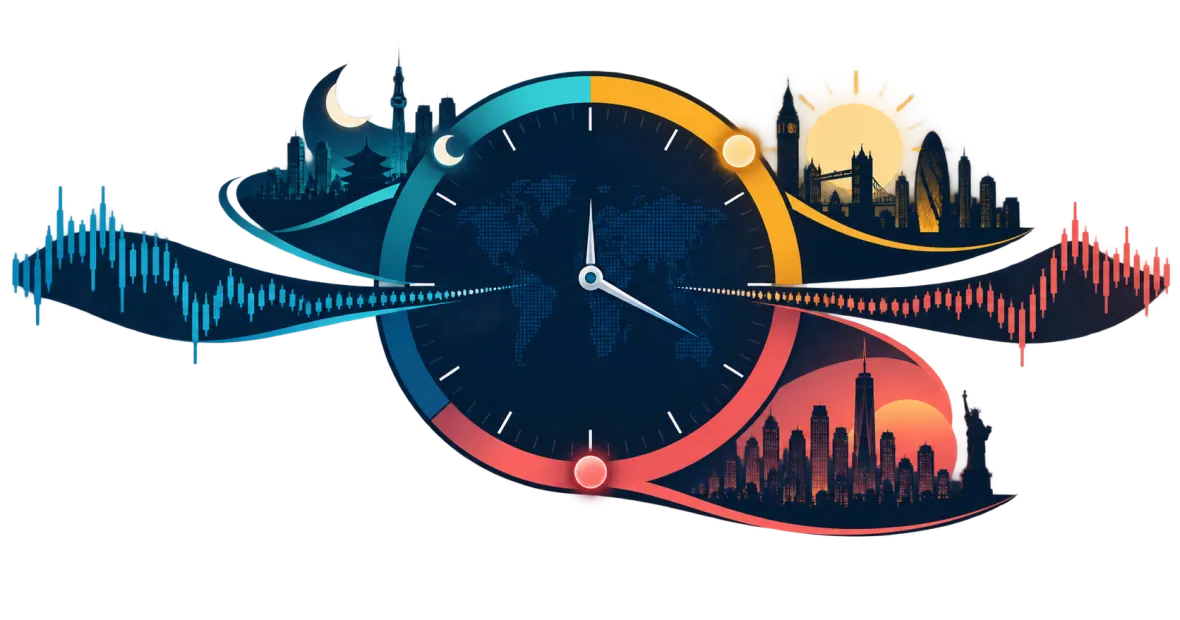
The global FX market is a 24-hour market, but activity is uneven, with liquidity following the global session. The Bank for International Settlements notes that FX turnover often peaks during the London-New York overlap and is relatively thin late in New York and early in Asia. More active participants can mean more available prices, while thinner conditions can mean less certainty for a liquidity provider. This uneven activity impacts trading costs, making it crucial for traders to consider the market session when making trading decisions.
Economic events, such as CPI, Nonfarm Payrolls, and Federal Reserve decisions, can change rate expectations abruptly, affecting DXY trading costs. Before these releases, market makers may widen spreads or quote less size at a given price because a sudden move is more likely. The same can occur around market opens, closes, holidays, and unexpected headlines. Traders must be aware of these events and adjust their trading strategies accordingly to minimize potential losses.
To navigate these changing trading costs, traders can take a practical pre-trade routine. This includes checking the live bid and ask, the economic calendar, the stop distance, and the cost of holding a position overnight. An average spread is a useful context, but the live spread is what applies to the trade being placed. For example, Exness Pro account historical DXY results showed 83% below the industry average in a specified ten-broker comparison, but current conditions still need to be checked in the platform.
The impact of changing trading costs can be significant, as illustrated by a trader with the same directional DXY view at two points in the day. During an active overlap, there may be more available prices, and the bid-ask gap may be relatively contained. Several hours later, a quieter market or an imminent data release can change the live quote, affecting the entry cost and practical stop-loss distance. This highlights the importance of defining an acceptable spread before opening a position and adjusting trading strategies accordingly.
It is essential to distinguish between average spreads and live spreads, as average spreads are backward-looking summaries that cannot predict the exact price available during an FOMC press conference or an unexpected geopolitical headline. Exness states that DXY spreads may fluctuate with volatility, liquidity, news releases, economic events, and market opens or closes. Traders must prioritize checking live prices and execution conditions, which can change at any time, particularly around news and thinner sessions.
In conclusion, DXY trading costs fluctuate throughout the day due to various market factors, including liquidity, economic events, and market sessions. Traders must be aware of these changes and adjust their trading strategies accordingly to minimize potential losses. By combining a market view with an execution plan and staying informed about market conditions, traders can navigate the dynamic FX market and make more informed trading decisions.
Key points
- DXY trading costs change throughout the day due to liquidity, economic events, and market sessions.
- Traders must consider the market session and economic events when making trading decisions.
- Checking live prices and execution conditions is crucial for successful trading.