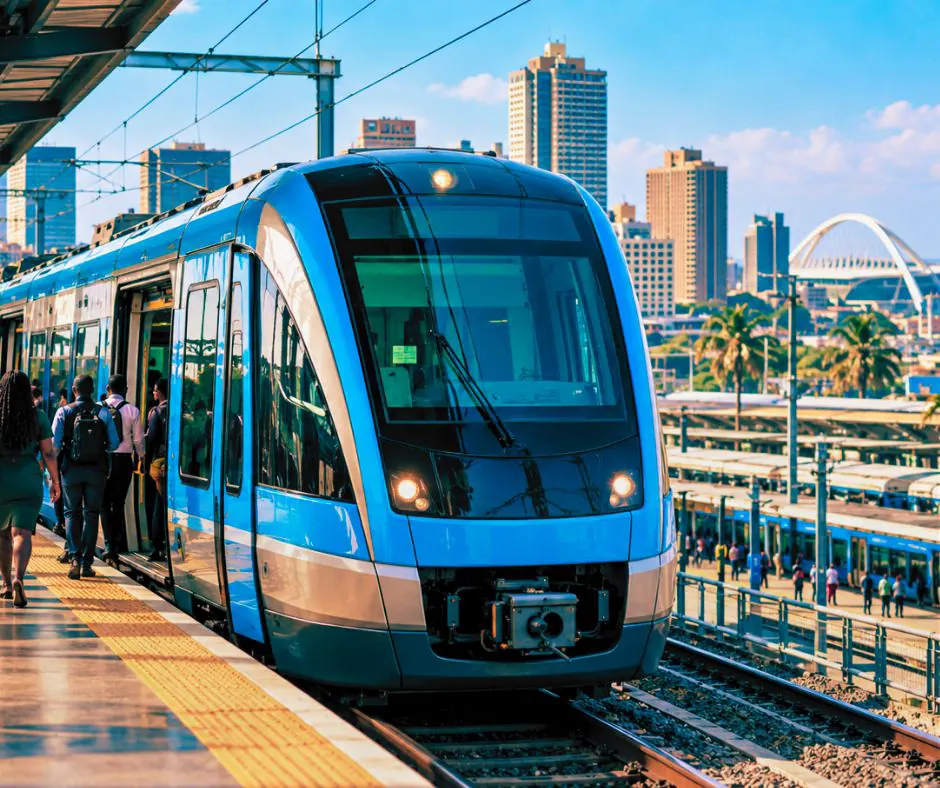
The Passenger Rail Agency of South Africa (PRASA) is investing R13 billion in Durban's passenger rail network, with R11 billion allocated for signalling and telecommunications across various corridors and R2 billion for the rehabilitation of the Umlazi Corridor, the busiest passenger rail corridor in KwaZulu-Natal. The project, expected to be completed in May 2031, aims to modernize the technology used to control and manage train movements, allowing for safer and more efficient train management.
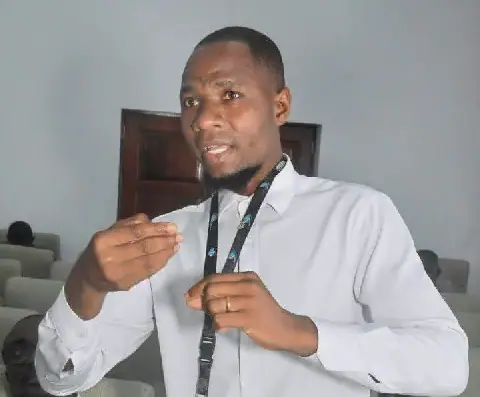
The modernization of the signalling system could potentially allow PRASA to double the number of trains operating on the network, reducing the time passengers spend waiting for services. KwaZulu-Natal PRASA Regional Manager Thami Sithole stated that the new system could enable trains to operate at intervals of between five and 10 minutes. This increase in train frequency is expected to make rail travel more attractive to commuters.
The investment in Durban's rail network is expected to have a positive impact on the city's roads and economy. eThekwini Mayor Cyril Xaba stated that a reliable and affordable rail network could help reduce the number of people driving into Durban every day, easing pressure on the city's roads while making it possible for workers to live further from economic centres. This, in turn, could help reduce the number of informal settlements in the city.
Xaba also highlighted the potential for rail to become a central part of the city's efforts to move large numbers of people while reducing pressure on the road network. He stated that annual rail patronage could increase from the current 1.8 million passengers to more than 10 million. A more reliable rail system could also help address inefficiencies in the movement of people and goods.
The city's longer-term ambition is to create a more integrated public transport system, allowing commuters to use a single ticket when moving between feeder services, trains, buses, and taxis. Xaba stated that the proposed model would require different operators to agree on how revenue from passengers is divided. This integrated system could change the relationship between rail and the taxi industry.
However, infrastructure challenges remain, with informal settlements and other encroachments along the rail network preventing PRASA from accessing parts of its infrastructure. Sithole stated that people are also illegally dumping waste along railway lines and crossing tracks, making rehabilitation and maintenance more difficult. PRASA is engaging with the City of eThekwini to address these encroachments.
The signalling programme consists of seven packages and is currently in its second package. PRASA has also procured 101 new trains in anticipation of increased demand. The R13 billion investment in Durban's rail network is a significant step towards creating a more efficient and integrated public transport system.
Key points
- PRASA is investing R13 billion in Durban's passenger rail network to modernize signalling and telecommunications systems.
- The project aims to double the number of trains operating on the network and reduce waiting times for passengers.
- The city plans to introduce a single ticket system for trains, taxis, and buses to create a more integrated public transport system.