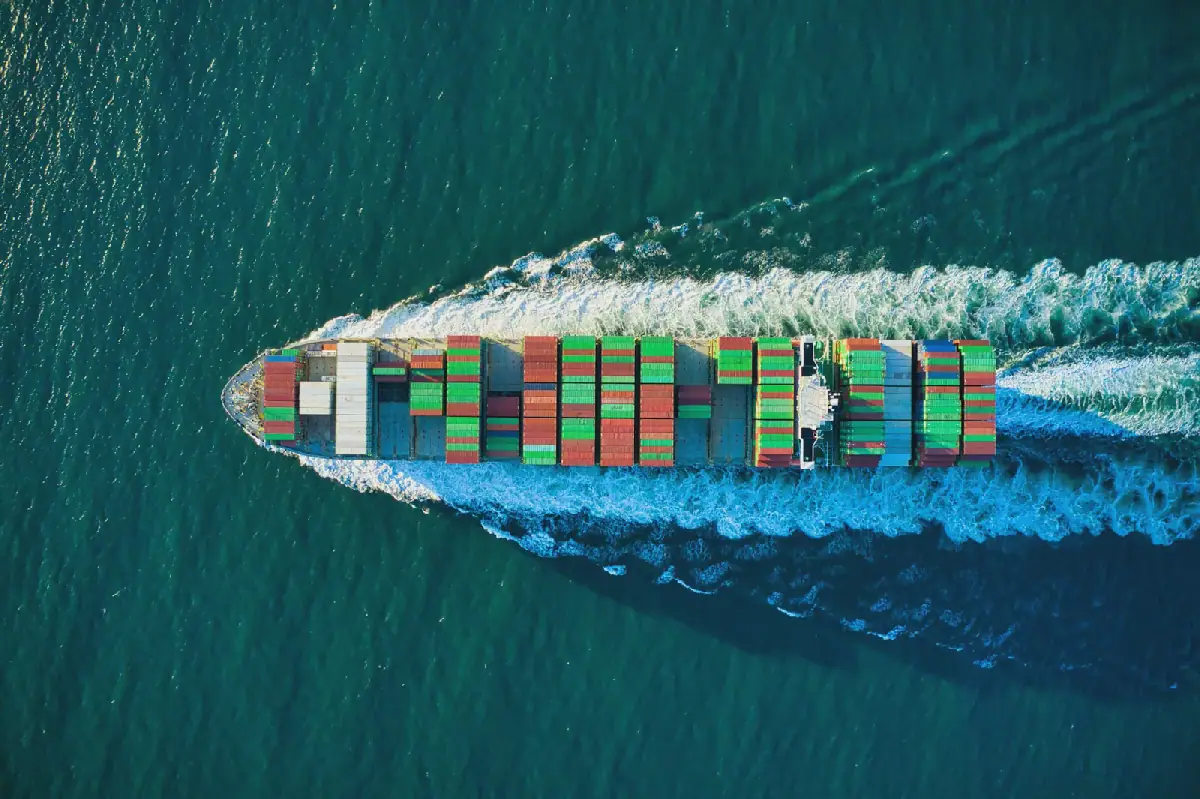
A recent study by the World Shipping Council (WSC) reveals a significant surge in orders for dual-fuel container ships and vehicle carriers. This trend is expected to create a substantial prospective market for renewable marine fuels. According to the analysis, vessels already operating or on order that can run on renewable fuels will account for more than one-fifth of the liner shipping sector's total energy demand around 2030.
The WSC report cautions that fleet capacity alone will not achieve decarbonization without binding global regulations. These regulations are necessary to narrow the price gap between conventional fossil fuels and clean alternatives. The council emphasizes that the main barrier to decarbonization is now commercial rather than technological. World Shipping Council President and CEO Joe Kramek stresses that global regulations are needed to make low-carbon fuels cost-competitive.
The report identifies supply opportunities across established bunkering hubs and emerging markets in various regions, including Asia, Oceania, Europe, the United Kingdom, Turkey, North America, and Central and South America. Africa is highlighted as a promising frontier, with abundant solar and wind resources suitable for synthetic fuel production and agricultural residues for biomethane. This could potentially position the continent as a key player in the maritime energy supply chain.
The WSC findings were released ahead of the International Maritime Organization's Marine Environment Protection Committee meeting (MEPC 85) scheduled for November 30-December 3. During this meeting, governments will discuss global greenhouse-gas rules for shipping. The council is urging policymakers to adopt binding measures that set a credible net-zero pathway, ensure uniform enforcement, and provide financial incentives to close the price gap for zero- and near-zero GHG fuels.
The growth in dual-fuel vessels is seen as a positive development for the maritime industry's efforts to reduce its carbon footprint. However, the WSC warns that without binding global rules, the growing fleet of dual-fuel vessels may not translate into the expected renewable-fuel market. The report emphasizes the need for a supportive regulatory framework to ensure that the increased capacity for renewable fuels is utilized effectively.
The WSC report notes that bio-based fuels and synthetic e-fuels are already being produced and bunkered on a limited scale. Existing industrial capacity and renewable power grids provide a strong foundation for rapid expansion. The council believes that with the right regulatory framework, the maritime industry can make significant progress towards its decarbonization goals.
The International Maritime Organization's Marine Environment Protection Committee meeting will be crucial in determining the future of global greenhouse-gas rules for shipping. The WSC's call for binding measures and financial incentives highlights the need for a coordinated approach to addressing the maritime industry's carbon footprint. The outcome of the meeting will have significant implications for the industry's efforts to reduce its environmental impact.
Key points
- World Shipping Council President and CEO Joe Kramek emphasizes that global regulations are needed to make low-carbon fuels cost-competitive.