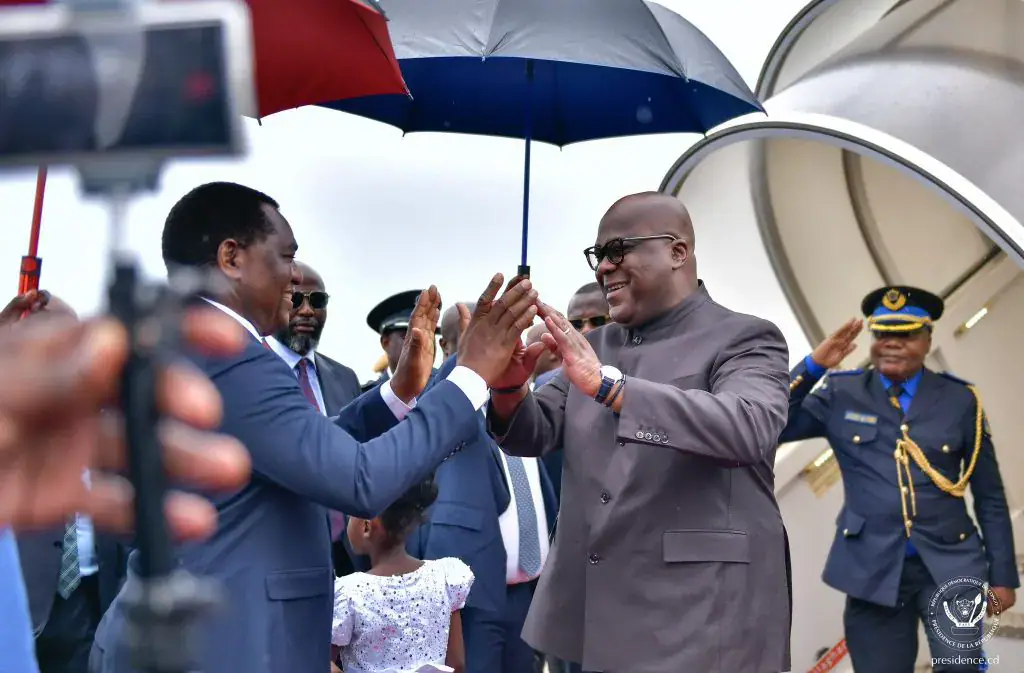
Presidents Félix Tshisekedi and Hakainde Hichilema have embarked on a joint initiative to address power shortages in the Copperbelt region. The project involves the construction of five high-voltage electricity interconnection lines. This move aims to boost industrialization and accelerate local mineral processing. The two leaders met in Livingstone, Zambia, where they discussed the importance of energy and industrial cooperation between their countries.
The Democratic Republic of Congo and Zambia are strengthening their strategic energy partnership through a major cross-border electricity infrastructure initiative. This project is expected to unlock the industrial potential of one of the world’s richest mineral-producing regions. The initiative comes at a critical time for the Copperbelt region, where growing industrial demand and electricity shortages have placed considerable pressure on mining operations and manufacturing activities.
The two leaders are expected to sign an amended intergovernmental memorandum of understanding establishing the legal framework for the joint development of electricity generation and transmission infrastructure. They will also officially launch construction work on the five high-voltage power interconnection lines. This project will enhance energy security, facilitate electricity trade, and create more favourable conditions for industrial investment in the region.
For the DRC, the project is particularly significant for Greater Katanga, the country’s mining and industrial heartland. Reliable electricity remains essential to expanding copper and cobalt production, developing mineral processing facilities, and reducing dependence on the export of raw materials. Zambia and the DRC occupy strategic positions in global critical mineral supply chains, particularly for electric vehicle manufacturing and renewable energy technologies.
The proposed power interconnections complement broader efforts by both countries to develop regional mineral value chains, attract manufacturing investments, and create employment opportunities. Greater cooperation in electricity generation and transmission could support their ambitions to establish a competitive regional battery and electric vehicle manufacturing ecosystem.
Beyond the mining sector, stronger electricity networks could benefit businesses, communities, and other productive industries while advancing regional power market integration in Southern Africa. The project’s long-term impact will depend on adequate generation capacity, financing, and the timely delivery of the planned infrastructure. President Tshisekedi’s working visit included a private meeting with President Hichilema and bilateral discussions involving their respective delegations.
The partnership between Kinshasa and Lusaka highlights the importance of linking Africa’s mineral wealth with the infrastructure required to transform it into industrial prosperity. For both countries, securing reliable and affordable electricity will be central to turning their mineral resources into manufacturing capacity, jobs, and sustainable economic growth. The two leaders are expected to engage with executives of companies partnering on the electricity infrastructure project.
Key points
- The DRC and Zambia have launched a joint initiative to construct five high-voltage electricity interconnection lines.
- The project aims to address power shortages and unlock the industrial potential of the Copperbelt region.
- The initiative will enhance energy security, facilitate electricity trade, and create favourable conditions for industrial investment.
Reporting sources
- Tshisekedi and Hichilema Unite to Power Africa’s Copperbelt · Pan African Visions