The World Health Organisation (WHO) has reported that drug-resistant bacterial infections cause approximately one million deaths globally each year. This alarming statistic was shared by Jean-Pierre Nyemazi, Acting Director of the AMR Department at WHO Headquarters, during a virtual media conference. The conference preceded an exhibition at the European Parliament, titled “AMR: The Human Stories Behind a Silent Pandemic,” which featured stories of individuals affected by AMR across Europe.
According to Mr. Nyemazi, the scale of deaths from AMR should no longer be treated as a “silent pandemic.” He emphasized that preventive measures such as better vaccination, infection prevention and control, Water, Sanitation and Hygiene (WASH), and improved animal husbandry can prevent AMR. Strengthening surveillance, responsible use of antimicrobials, access to quality medicines and diagnostics, and reduction of environmental contamination are also crucial in making a difference.
The One Health approach, which recognizes the links between human, animal, plant, and environmental health, is essential in addressing AMR. This approach is vital because drug-resistant pathogens can move across sectors and borders. Mr. Nyemazi stressed that parliamentarians have a critical role in ensuring national AMR commitments are supported by legislation, financing, and accountability.
The media plays an indispensable role in raising awareness, combating misinformation, and keeping AMR visible to decision-makers and the public. WHO Member States approved an updated Global Action Plan on AMR at the World Health Assembly in May, providing a framework for combating AMR over the next 10 years through a One Health approach. The plan was developed jointly by the Food and Agriculture Organisation (FAO), United Nations Environment Programme (UNEP), WHO, and World Organisation for Animal Health (WOAH).
The updated Global Action Plan on AMR places stronger emphasis on prevention, governance, behavioral change, and measurable targets. A 10% reduction in AMR is achievable through infection prevention and control, vaccination, and improved access to quality antimicrobials. Better coordination, education, and surveillance can deliver further gains. Investment in new antibiotics, antifungals, phage therapy, and other technologies is also necessary.
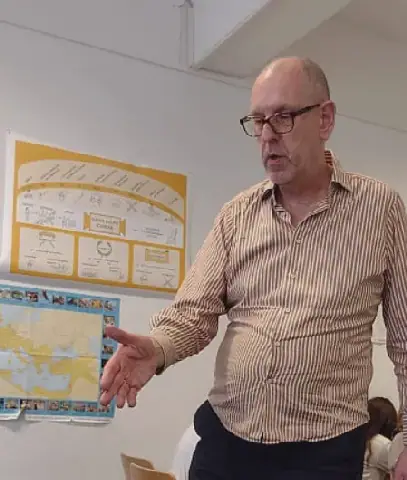
European Parliament member Martin Häusling highlighted that excessive antibiotic use in food-producing animals contributes to AMR, particularly through mass treatment. He emphasized the need to create public awareness so that parliaments can address the issue properly. Rob Purdie, an AMR survivor, shared his experience, which demonstrated the consequences of delayed diagnosis and treatment, including a significant financial burden and loss of livelihood.
The human impact of AMR is significant, with individuals and families affected globally. The economic burden of AMR is substantial, with Mr. Purdie spending about $250,000 on hospital costs and being unable to work for five years. The stories of AMR survivors and the statistics presented by WHO underscore the need for coordinated action and awareness to combat this growing threat.
Key points
- One million people die every year due to drug-resistant bacteria alone.
- AMR is a global issue that requires a One Health approach.
- The updated Global Action Plan on AMR provides a framework for combating AMR over the next 10 years.