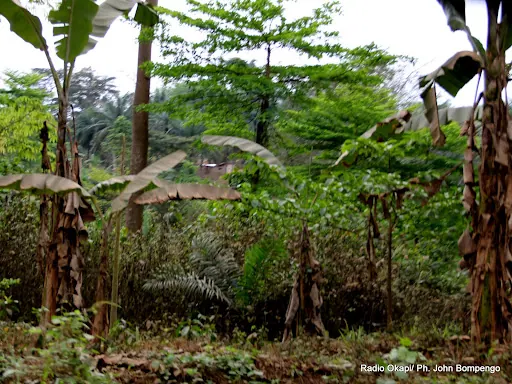
A severe drought has struck Kibirizi, a region in the Bwito chiefdom of Rutshuru territory in North Kivu, Democratic Republic of the Congo. The drought, which occurred from late July to mid-September, has significantly affected coffee and banana crops, which are crucial sources of income for many households. Local farmers report that the lack of rainfall has caused young coffee plants to wither, raising concerns about potential losses that could impact not only this season's harvest but also future ones.
The drought has disrupted the development of coffee beans, leading to reduced quantities and quality of the crop. Kasereka Kapitula, a local coffee producer, has already lost some of his coffee plants and notes that the poor development of grains is due to the rainfall deficit. "The coffee beans are not developing well because of the lack of rain. The quantities are lower than we expected," he stated. This situation could have long-term effects on the livelihoods of farmers who depend on these crops.
The drought has also affected banana plantations in the region. Farmers report slowed growth of banana plants and reduced harvests. This decline impacts the production of banana wine, an activity that provides income to several families. The combined effects of the drought and previous destruction of fields by rebels have left many households vulnerable, with reduced production and purchasing power.
Coffee and bananas are vital sources of income for households in Kibirizi and other areas of the Bwito chiefdom. The consequences of the drought come at a time when farmers are already dealing with the aftermath of several hectares of fields being destroyed during operations by rebels. This situation further reduces production possibilities and the ability of families to afford basic needs.
Farmers are concerned that the persistence of the rainfall deficit could lead to more significant losses. They consider the coming weeks crucial for the development of coffee and banana crops. Beyond agricultural production, they fear that reduced incomes will impact essential household expenditures, including children's education. The situation highlights the vulnerability of rural communities to climate-related shocks.
The drought in Kibirizi has raised concerns about food security in the region. The impact on coffee and banana crops could have far-reaching effects on household incomes and the overall economy. Local producers are calling for support to mitigate the effects of the drought and restore their livelihoods. Efforts to address the immediate needs of affected communities and develop long-term strategies for climate resilience are essential.
The situation in Kibirizi underscores the need for sustainable agricultural practices and climate-resilient strategies in vulnerable regions. As the community looks to the future, it is clear that addressing the effects of climate change on agriculture will be critical to ensuring food security and economic stability.
Key points
- The drought has affected coffee and banana crops in Kibirizi, North Kivu, impacting household incomes.
- Farmers are concerned about potential losses and reduced incomes due to the drought.
- The situation highlights the vulnerability of rural communities to climate-related shocks.