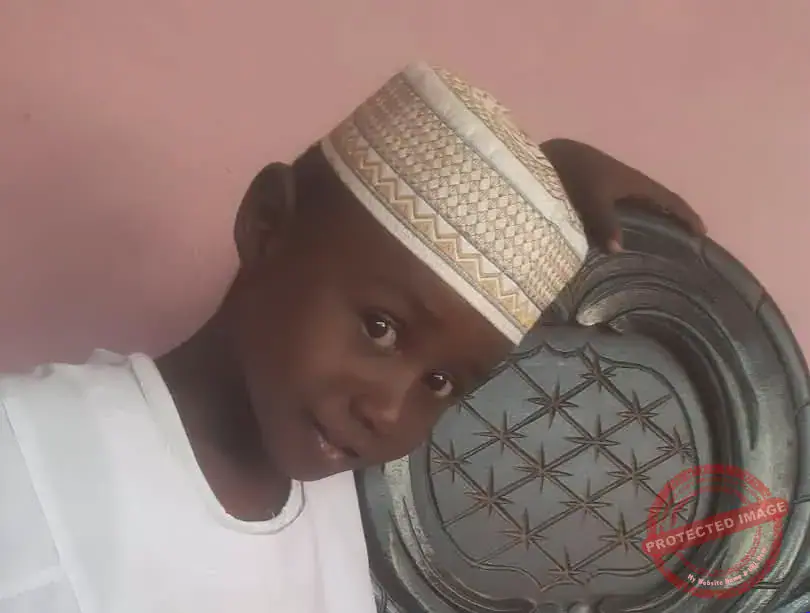
A drone strike on a family home in Omdurman, Sudan, killed a 10-year-old boy named Mohammed Ali on Sunday morning, November 22, as he was getting ready to attend school. The Norwegian Refugee Council (NRC) reported that Mohammed was preparing to leave for Al Assal School, where the NRC supports catch-up classes for children affected by the war.
Mohammed's infant cousin was also injured in the strike, sustaining an abdominal injury that required stitches and is recovering. His father, Ali, described Mohammed as a bright and creative child who enjoyed collecting everyday objects to make things. Ali affectionately called his son Al Muhandes, the Engineer, due to his inventive nature.
Mohammed was in Grade Three and was the eldest of three children. His teacher, Nadia, described him as a well-liked student who was making good progress at school. She stated that everyone loved Mohammed, and he was known for being polite. The incident has left teachers and pupils traumatised, with some parents keeping their children at home for fear of further attacks.
Although the school was not damaged in the strike, the incident has had a significant impact on the school community. Nadia reported that classrooms were almost empty when she returned to school because parents were afraid to send their children. She expressed the emotional toll of the incident, stating that none of them can sleep or go back to their normal lives.
The conflict in Sudan has had a devastating impact on civilians, particularly children. According to figures from the United Nations Human Rights Office cited by the NRC, at least 2,230 civilians were killed in Sudan between January and October 2026, with more than 1,630 of those deaths attributed to drone strikes.
NRC Head of Operations in Sudan Noah Taylor condemned the strike, stating that Mohammed was among thousands of civilians affected by the conflict. Taylor called for accountability for attacks that kill civilians, particularly children, and urged parties to the conflict to protect civilian lives.
The NRC is working with partners to assess the psychosocial support needs of Mohammed's family, classmates, and teachers, and to arrange appropriate assistance. The organisation remains committed to supporting the continuation of education at the school when classes resume.
Key points
- The drone strike on Mohammed's family home is part of a larger pattern of violence in Sudan, where over 2,230 civilians were killed between January and October 2026.
- The incident has left teachers and pupils traumatised, with some parents reportedly keeping their children at home for fear of further attacks.
- The NRC is providing support to Mohammed's family and school community, including psychosocial support and education assistance.