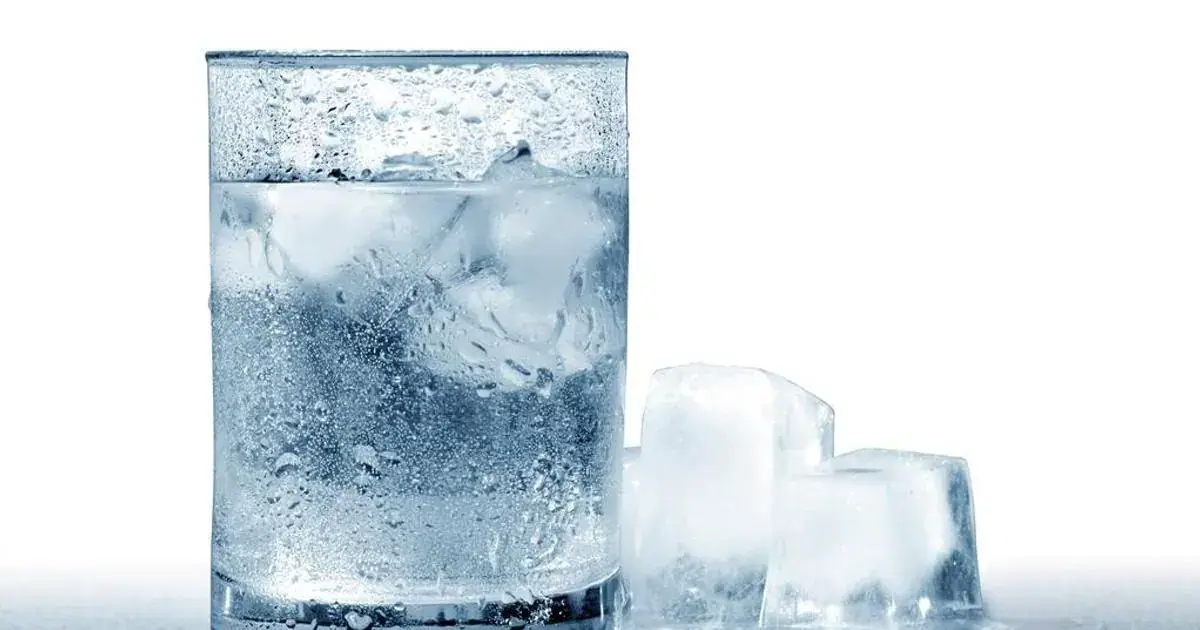
Drinking cold water is a common practice that has been debated for its health benefits and potential drawbacks. According to health experts, drinking cold water is safe and effective for staying hydrated, particularly during exercise or hot weather. It helps to cool the body down and provides a refreshing sensation. Many people enjoy drinking cold water, but some have concerns about its impact on digestion, stomach fat, and overall health.
Cold water can help individuals feel refreshed and support hydration, especially during hot weather and exercise. The body loses water through sweating during physical activity, and drinking cold water can make rehydration more enjoyable. Research suggests that cold drinks may help reduce the rise in body temperature during exercise. Additionally, drinking cold water can be a healthier alternative to sugary drinks, which can contribute to weight gain and other health problems.
There are several benefits to drinking cold water. It can help to reduce sugary drink consumption, support weight management, and improve overall health. Choosing cold water instead of soft drinks, sweetened juices, and other sugary beverages can help reduce daily sugar and calorie intake. Furthermore, drinking cold water can provide temporary relief from feeling overheated, particularly in hot climates.
Despite the benefits of drinking cold water, several myths surround its consumption. One common myth is that drinking cold water causes stomach fat to solidify. However, there is no scientific evidence to support this claim. The body breaks down dietary fat through normal digestive processes, regardless of the temperature of the water consumed. Another myth is that cold water slows digestion, but there is no strong evidence to support this claim.
Other myths surrounding cold water consumption include the idea that it causes heart attacks and that it automatically helps with weight loss. However, there is no good evidence to support these claims. Drinking cold water may cause discomfort in some individuals, particularly those with certain oesophageal conditions or migraines triggered by cold drinks. Nevertheless, for healthy individuals, drinking cold water is generally safe.
The temperature of water is largely a matter of personal preference. What matters most is staying hydrated throughout the day. Drinking enough water helps regulate body temperature, lubricate joints, support digestion, and remove waste from the body. Preventing dehydration, which can cause headaches, constipation, and tiredness, is crucial for maintaining overall health.
In conclusion, drinking cold water is a safe and healthy choice for individuals who enjoy it. While some myths surround its consumption, the benefits of drinking cold water, particularly during hot weather and exercise, are undeniable. As long as individuals stay hydrated and drink water at a comfortable temperature, they can reap the rewards of this simple yet effective beverage.
Key points
- Drinking cold water is safe and offers several health benefits, particularly during hot weather and exercise.
- There is no scientific evidence to support common myths surrounding cold water consumption, such as its impact on stomach fat and digestion.
- Staying hydrated is what matters most, regardless of the temperature of the water consumed.