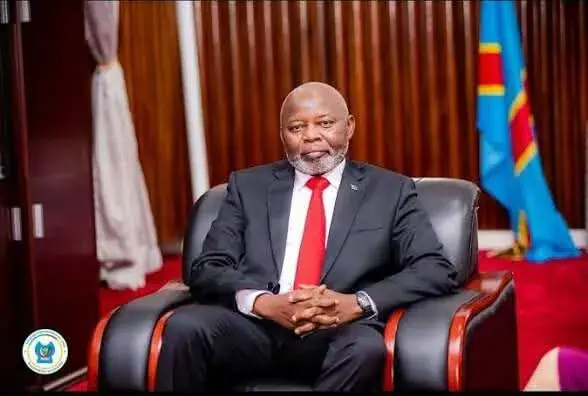
In a statement released on November 26, 2026, the UNC councillors described Kamerhe's declarations on November 20 as a "constructive approach." They believe his statements contribute to the national debate on governance and responses to the security crisis in Eastern Democratic Republic of Congo. By reaffirming their loyalty to Kamerhe, the councillors aim to dispel interpretations that his comments were an act of opposition to the head of state.
The councillors, elected under the UNC banner, denounced attempts to pit their president against the President of the Republic. This clarification reflects the National Coordination's efforts to preserve the party's political unity and prevent differences in analysis on governance and national security from escalating into open conflict. The message also underscores that support for Kamerhe is compatible with institutional loyalty and the need for internal debate on the country's major orientations.
The statement addressed the initiators of the "Conservatives' Current," urging them to present their grievances before the competent bodies of the UNC rather than publicly. This appeal aims to bring the controversy back within the party's organic framework. The National Coordination emphasizes that political disagreements should be discussed within the designated structures to promote position clarification and limit the risks of public divisions.
At the heart of the controversy lies the interpretation of Kamerhe's statements. His supporters view them as a contribution to the national debate on governance and the war in the East. The November 26 statement seeks to counter readings that could transform this intervention into a confrontation with the head of state. By characterizing Kamerhe's approach as constructive, the councillors aim to rehabilitate the political and institutional nature of his intervention.
The UNC councillors' public support for Kamerhe displays a dual priority: defending their president and preserving party cohesion. This intervention occurs as questions of governance and security in Eastern DRC dominate the national political debate. The message from Samuel Francha and the councillors is clear: debates can continue, but they must be conducted within the party's structures and without creating a fracture between Kamerhe and the head of state.
The controversy follows Kamerhe's recent statements, which some interpreted as oppositional to the government's stance on security and governance. The UNC councillors' backing of Kamerhe signals an effort to maintain party unity amid internal disagreements. It remains to be seen whether this appeal will suffice to ease tensions around the "Conservatives' Current" and bring the controversy back within the UNC's internal instances.
The situation highlights the challenges facing the UNC in maintaining internal cohesion while navigating the complex landscape of DRC politics. The party's ability to manage these internal debates and disagreements will be crucial in determining its future influence in the country's political arena. Key to this effort will be the UNC's commitment to addressing grievances through internal channels, as advocated by the councillors in their statement.
Key points
- The UNC councillors' statement aims to preserve party unity and promote internal debate on governance and security issues.
- The controversy surrounding Kamerhe's statements reflects deeper divisions within the UNC.
- The party's handling of this internal disagreement will impact its future role in DRC politics.