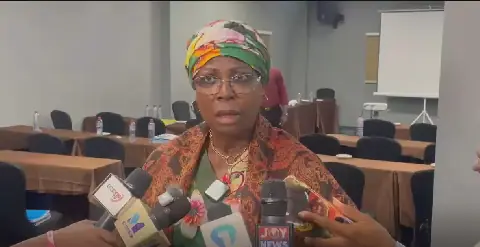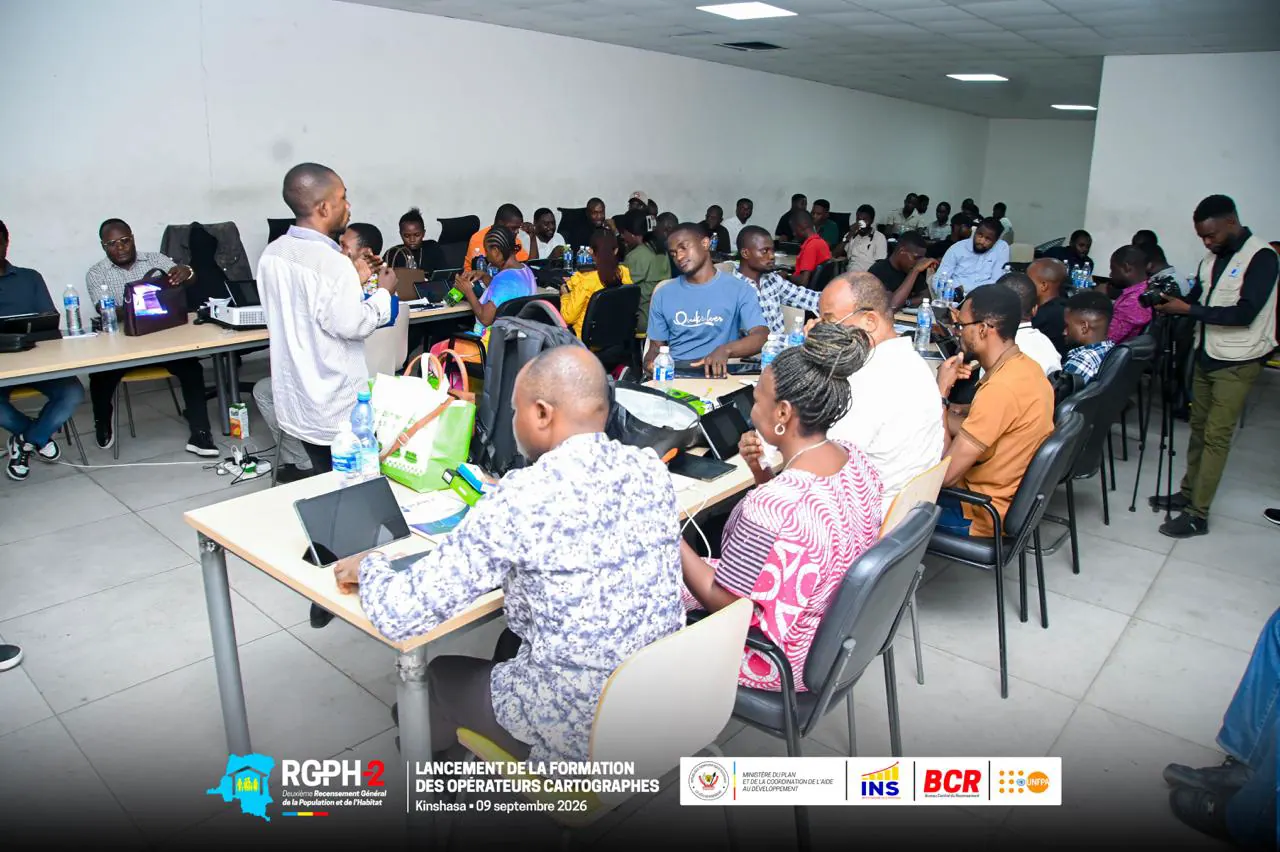
The Democratic Republic of Congo is advancing with its second general population and housing census, known as RGPH-2. In Kinshasa, training for team leaders overseeing cartography operations concluded on September 18, 2026. This step follows the training of 1,868 cartography operators across 35 sites in four districts of Kinshasa. The team leaders were trained to supervise and monitor cartography operations, ensuring that operators adhere to guidelines and transmit information to coordination structures.
The cartography operation involves teams composed of four cartography operators and one team leader. Five teams form a brigade led by a brigade chief. Each brigade consists of 26 people, including one brigade chief, five team leaders, and 20 operators. Cartography operators will verify existing data against observed realities, checking area boundaries, identifying homes and infrastructure, and updating available information as needed. This process is crucial for creating areas to be covered during the census.
The cartography phase is an essential preparatory step before the actual population count. It aims to identify, delimit, and inventory areas to be covered during the census. At this stage, the focus is not on counting inhabitants but on gathering information to create areas that will be assigned to census agents. The goal is to have clearly defined zones to facilitate census organization and minimize the risk of omission or double counting.
Kinshasa is the first area where this operation is being implemented, with plans for gradual deployment in other provinces. Authorities urge the population to welcome duly authorized teams and report any requests for money made in the name of RGPH-2. The completion of team leader training complements the preparatory arrangements for cartography in the capital, preceding field operations and the future population census nationwide.
According to RGPH-2 data, the process is expected to create around 160,000 direct jobs. The gradual deployment of cartography prepares the necessary conditions for the future general population and housing census in the Democratic Republic of Congo. The census aims to provide accurate and up-to-date information on the population and housing, which will inform development planning and policy decisions.
The training and evaluation of team leaders and cartography operators ensure that they are equipped to carry out their tasks effectively. The hierarchical organization of the teams, with clear roles and responsibilities, will facilitate the smooth execution of the cartography operations. By engaging with local communities and gathering accurate data, the RGPH-2 aims to produce a comprehensive and reliable picture of the country's population and housing.
With the cartography phase underway, the Democratic Republic of Congo is one step closer to conducting a successful population census. The authorities' efforts to engage with the population and ensure the integrity of the process are crucial to the success of the RGPH-2. The census will provide valuable insights into the country's demographic trends, which will inform development strategies and policy decisions.
Key points
- The Democratic Republic of Congo has completed cartography training for team leaders in Kinshasa, a crucial step towards conducting the second general population and housing census.
- The cartography phase aims to identify, delimit, and inventory areas to be covered during the census, creating clearly defined zones to facilitate census organization.
- The RGPH-2 process is expected to create around 160,000 direct jobs and provide accurate and up-to-date information on the population and housing.