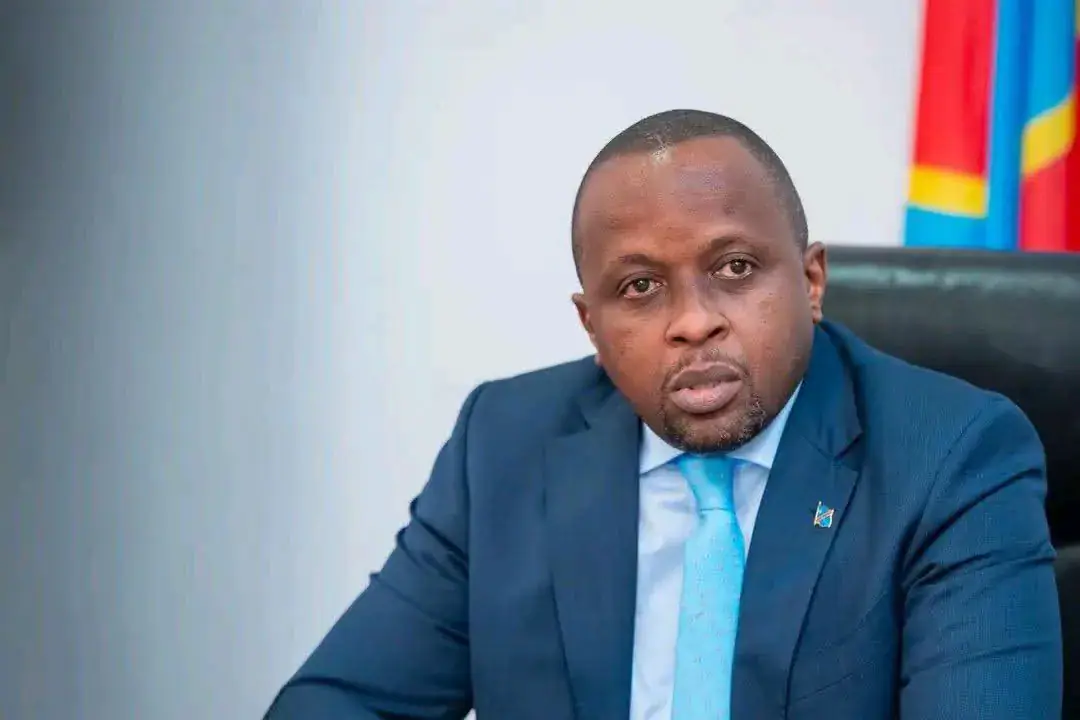
The Democratic Republic of Congo's Minister of the Interior, Jacquemain Shabani, has sparked controversy over his handling of Catholic Church events. On November 25, 2026, Cardinal Fridolin Ambongo, Archbishop of Kinshasa, was reportedly confined to his residence in Lindonge. This development follows Shabani's decision to ban a youth mass at the Tata Raphaël stadium, a Catholic-owned venue. The move has been met with criticism from the Catholic Church and human rights groups.
According to reports, Shabani's actions have been deemed "incompetent" and "tyrannical" by some sections of society. In Lubumbashi, Shabani allegedly had Mgr Fulgence Muteba, Archbishop of the diocese and President of the CENCO, sequestered. Additionally, bishops, priests, and nuns were reportedly gassed. These actions have raised concerns about the government's relationship with the Catholic Church. Shabani has since visited the Apostolic Nuncio to apologize, a move some have described as insincere.
Shabani's actions have been questioned by many, particularly in light of his claims that the government respects the Catholic Church. Critics argue that his actions demonstrate a blatant disregard for the Church and its activities. The controversy surrounding the banned mass at Tata Raphaël stadium has highlighted the strained relationship between the government and the Catholic Church. Despite having all necessary permits, the event was prohibited, with Shabani citing security concerns.
However, when it comes to events organized by other churches, such as the "Binzambi Nzambi" church, which supported changes to the constitution, security concerns seem to be conveniently ignored. This double standard has sparked accusations of bias and prejudice against Shabani and the government. The Catholic Church has long been a vocal critic of the government's human rights record, and Shabani's actions have only served to exacerbate tensions.
Shabani's background has also come under scrutiny. As the former Secretary-General of the Union for Democracy and Social Progress (UDPS), he was arrested in 2012 at Kinshasa airport, allegedly for carrying "subversive and offensive documents." He was later dismissed from his position within the party due to allegations of embezzlement. These past controversies have raised questions about Shabani's competence and suitability for his current role.
The Catholic Church has been a significant player in the DRC, with many prominent figures speaking out against government abuses. The treatment of Mgr Fulgence Muteba and other church officials has sparked widespread condemnation. Human rights groups have called for greater accountability and respect for the Church's activities. As tensions between the government and the Church continue to escalate, Shabani's position remains precarious.
The controversy surrounding Shabani's actions has sparked a wider debate about the role of the government in regulating church activities. While some argue that the government has a duty to maintain public order, others believe that Shabani's actions are a clear overreach of his authority. As the situation continues to unfold, one thing is certain: the relationship between the government and the Catholic Church in the DRC has never been more strained.
Key points
- The DRC Minister of the Interior, Jacquemain Shabani, faces criticism for restricting Catholic Church events, amid allegations of incompetence and tyranny.
- Shabani's actions have sparked controversy and raised concerns about the government's relationship with the Catholic Church.
- The Catholic Church has long been a vocal critic of the government's human rights record, and Shabani's actions have only served to exacerbate tensions.